Home Blog Page 12

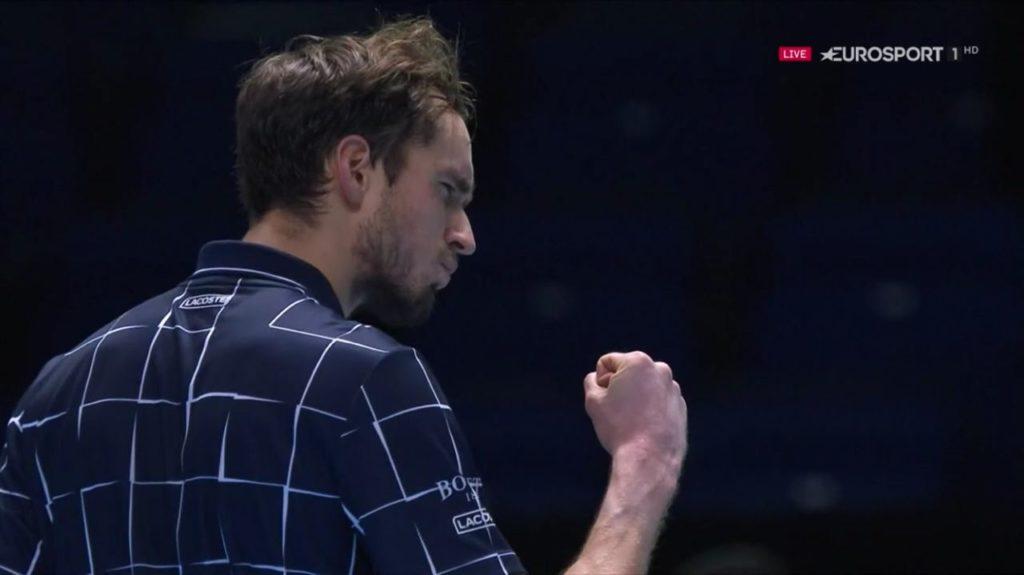
Daniil Medvedev’s interview after his semifinal win over Stefanos Tsitsipas – Australian Open 2021

Russian Daniil Medvedev won Greek Stefanos Tsitsipas in straight sets 6/4 6/2 7/5. To win the title, Daniil will be playing against 8th time Australian Open champion, Novak Djokovic.

Россиянин Даниил Медведев победил грека Стафаноса Циципаса в трех сетах 6/4 6/2 7/5. Даниил поборется за титул с восьмикратным чемпионом Открытого Чемпионата Австралии, Новиков Джоковичем.

Daniil Medvedev and Jim Courier interview

Интервью Даниила Медведева Джиму Курье

Jim Courier  

Daniil, Congratulations. You came out of the box very quickly in this match, played nearly flawlessly the first two sets. You had an early break in the third. Then he turned his game on, he brought the crowd with them. What was the third set like for you? How did you finally get this thing over in three sets? 

Джим Курье

Даниил, поздравляю. Ты быстро разобрался со своим соперником в этом матче. Первые два сета ты сыграл практически безупречно, и в третьем у тебя был ранний брейк. Но затем он включился в борьбу, используя энергию публики. Каким был третий сет для тебя? Как ты в итоге смог закончить встречу в трёх сетах?

Daniil Medvedev  

Definitely not easy because, first of all, we saw the match with Rafa was kind of the same score and first two sets, a third set Rafa was dominating but didn’t manage to win the match. So I got a little bit scared, I should say, and tight because it’s the semi-final of a Slam. And I mean, for us, it’s not 50th like for Novak or Roger, so it was not easy, but I’m happy that I managed to turn my game on. Especially in some tight moments on my sеrve and really happy to be in the final

Даниил Медведев

Было определенно нелегко, потому что, во-первых, мы видели, что его матч с Рафой развивался примерно по такому же сценарию в первых двух сетах, а в третьем сете Рафа владел преимуществом, но не сумел доиграть матч до победы. Так что, должен сказать, я немного испугался и ощутил напряжение, потому что это полуфинал Большого Шлема. И я имею в виду, что для нас это не 50-й матч, как для Новака или Роджера, так что это было нелегко, но я счастлив, что я смог собраться. Особенно в некоторые трудные моменты на моей подаче и действительно счастлив быть в финале
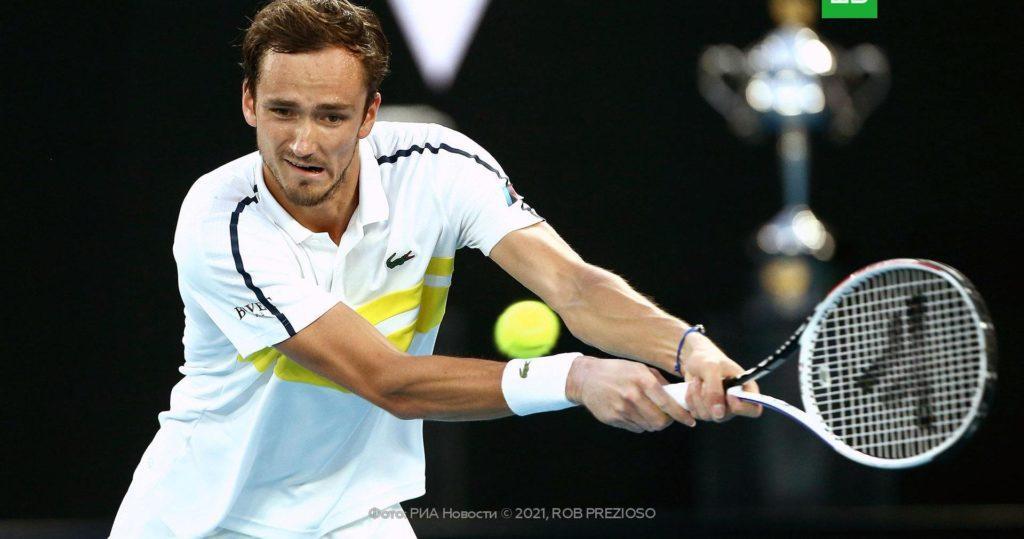
Daniil Medvedev RIA

Jim Courier  

When you get scared in a match, what’d you do?

Джим Курье

Когда тебе становится страшно во время матчей, что ты делаешь?

Daniil Medvedev  

Sorry, I couldn’t hear you

Даниил Медведев

Извините, я вас не расслышал

Jim Courier  

I’ll repeat it. You said you got scared. What do you do when you get scared? How do you react to that normally?

Джим Курье

Я повторю. Ты сказал, что испугался. Что ты делаешь, когда тебе страшно? Как ты обычно справляешься с этим?

Daniil Medvedev  

I mean, to be honest, I can’t really answer, I just tried to hit aces and winners. I mean, I’ll put the ball in the court. That’s the only way to do, I remember I had 30/40 in the game when he was up already. I think it was 4/3. And I mean, the only chance I had is to serve a big serve and I made an ace, so that’s how I stayed in the match. Sure don’t know if it would be the 4th set, how it’s gonna go but I’m happy to manage to keep my nerves you know, because still, I didn’t make so many bad choices. Except for the game I got broken with double fault and some easy forehand mistakes. So happy that I managed to keep my confidence.

Даниил Медведев

Если честно, у меня нет ответа на этот вопрос. Я всего лишь пытался подавать эйсы и активно выигрывать мячи, старался попадать в  корт. Это единственный верный путь. Я помню, что уступал со счётом 30/40 в гейме на своей подаче, когда он уже вёл 4/3 в сете. И мой единственный шанс заключался в том, чтобы подавать на максимуме. И я подал эйс, который позволил мне продолжить борьбу. Даже не знаю, как бы всё сложилось, если дело дошло до четвёртого сета, но я рад, что мне удалось совладать с нервами. На самом деле в этом матче у меня было не так много плохих решений, за исключением гейма на своей подаче, который я уступил, допустив двойную ошибку и несколько раз совершив простые ошибки при ударах справа. Поэтому я рад, что смог сохранить уверенность в себе.
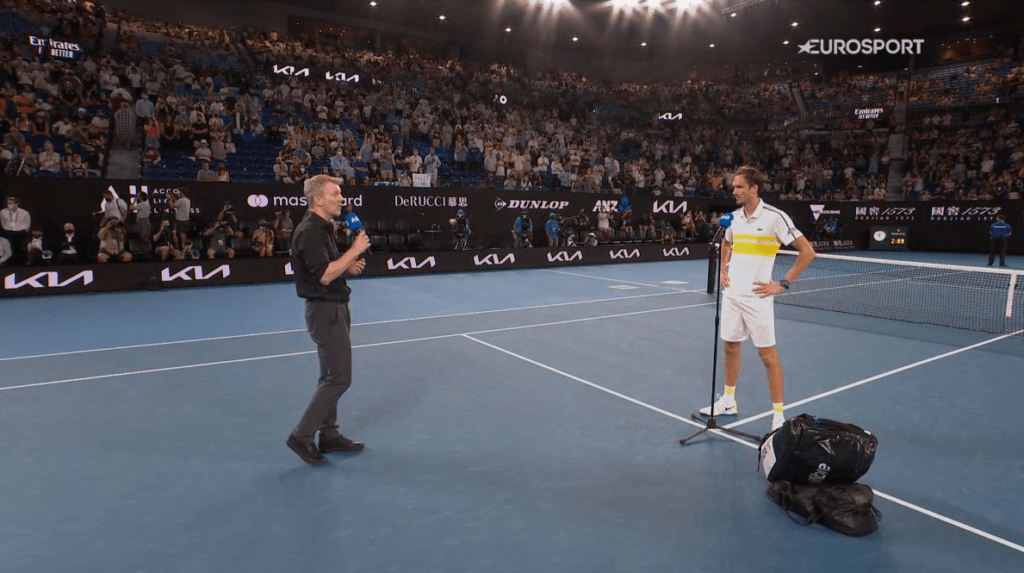
Jim Courier  

One of the things that we noticed watching was that you really dominated the long rallies in these points. That’s a big part of your game. You’re amazing at these long rallies. Given that you saw that he played Rafa in that long match and spent so much energy, mental and physical energy. Was that part of your strategy to try and play longer points tonight?

Джим Курье

Одним из главных наблюдений в твоей игре было то, что ты имел большое превосходство в длинных розыгрышах. Это основа твоей игры. Ты потрясающе играешь затяжные розыгрыши. Повлияло ли на твою стратегию то, что твой соперник провёл долгий матч против Рафы, по ходу которого потратил столько физических и моральных сил? Заставлять его играть затяжные розыгрыши – это твой доматчевый план?

Daniil Medvedev  

I mean, it depends because still I saw the statistics I actually was dominating in winners. I think yeah, for sure he was tired. After the match was Rafa which we couldn’t see. Actually during the match with Rafa I thought he was looking quite fresh. I was even surprised. But, yeah, during today’s match, I saw that as soon as I was moving him around the court. It was not easy for him, so as soon as I saw it in the first set that became my strategy straightaway

Даниил Медведев

Я имею в виду, это зависит от того, потому что, когда я увидел статистику, я действительно доминировал в победителях. Я думаю, да, конечно, он устал. После матча был Рафа, которого мы не могли видеть. Вообще-то во время матча с Рафой мне показалось, что он выглядит довольно свежо. Я даже удивился. Но, да, во время сегодняшнего матча я увидел это, как только перемещал его по корту. Это было нелегко для него, поэтому, как только я увидел это в первом сете, это сразу стало моей стратегией

Jim Courier  

You’re on an amazing run right now, it continues starting in the Paris indoor tournament and last November you’ve not lost, this is your fourth tournament, you’re into your fourth final, let me just tell you: 20 wins in a row – 11 against Top 10 players, that’s just insane… What’s the difference between this streak and then the tournaments before were you doing okay but not beating everyone?

Джим Курье

Ты сейчас на удивительном забеге, он продолжается, начиная с парижского турнира в Берси, и в ноябре прошлого года ты не проиграл, это твой четвертый турнир, ты в четвертом финале, позволь мне просто сказать тебе: 20 побед подряд – 11 против 10 лучших игроков, это просто безумие… В чем разница между этой серией и предыдущими турнирами, на которых ты был в порядке, но не побеждал всех?

Daniil Medvedev  

To be honest, I don’t have an answer. I was just working hard for it all my life and I’m really happy in this moment, just you know because it’s going to stay with me when I’m going to be… maybe as you…

Даниил Медведев

Честно говоря, у меня нет ответа. Я просто упорно трудился ради этого всю свою жизнь, и я действительно счастлив в этот момент, просто ты знаешь, потому что это останется со мной, когда я буду… может быть, как ты…

Jim Courier  

 as old as me?

Джим Курье:

Тех же лет, сколько мне?
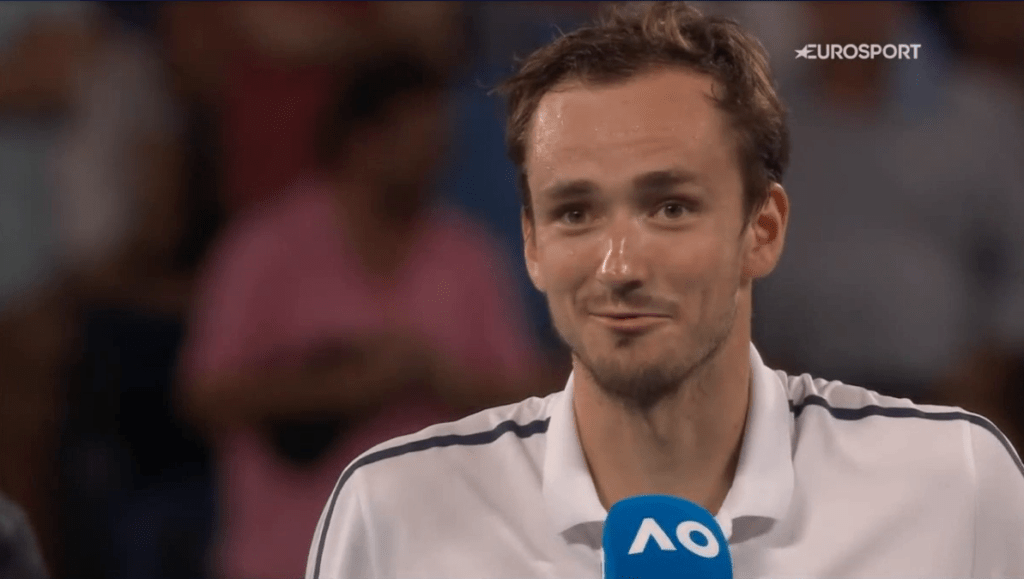
Daniil Medvedev  

ah…

Даниил Медведев

А…

Jim Courier  

Take your time my friend, believe me you don’t want to get here yet.

Джим Курье

Не торопись, мой друг, поверь мне, ты еще не хочешь сюда попасть.

Daniil Medvedev  

Interviewing someone I’m going to have this you know in my record but not in the record books of tennis because we have Novak, Roger and they have a lot of wins but at least for me it’s a great achievement and I mean to be honest before Paris – I was feeling horrible in my tennis. I was losing some tight matches where I didn’t feel my game on top and I think – yeah, it was just hard work I managed to turn it on. So far it doesn’t turn off, I hopefully can keep the momentum going a little bit

Даниил Медведев

Вы знаете, что это будет в моем послужном списке, но не в книгах рекордов тенниса, потому что у нас есть Новак, Роджер, и у них много побед, но, по крайней мере, для меня это большое достижение, и, честно сказать, перед Парижем я чувствовал себя ужасно в своей игре. Я проигрывал несколько напряженных матчей, где не чувствовал своей игры на вершине, и думаю – да, это была просто тяжелая работа, которую мне удалось включить. Пока она не выключается, я надеюсь, что смогу немного сохранить импульс.

Jim Courier  

Yeah, well you’re into your second major final, your first major final you run a great run as well, you lost an epic five center to Rafael Nadal and I want to ask you: what did you learn from that match that might help you in your second final here on Sunday night?

Джим Курье

Да, ну что ж, ты находишься в своем втором крупном финале, в своем первом крупном финале ты также отлично бегал, ты проиграл эпический пятисетовый матч Рафаэлю Надалю, и я хочу спросить: чему ты научился в том матче, что могло бы помочь тебе во втором финале здесь, в воскресенье вечером?

Daniil Medvedev  

I took a lot of experience, it’s not that you can learn. Okay, I should have played backhand down the line on the 5/4 and the breakpoint or something but it’s experience to… It was my first Grand Slam final against one of the greatest and I’m gonna to come against one of the other greatest. So just, yeah, that I played against Rafa in this US Open crazy match, his experience that maybe if we’re gonna have some crazy match and can turn some things for me and not against me and we’re going to see on Sunday, we cannot know before the match that’s going to happen.

Даниил Медведев

Я набрался много опыта. Это не то, чему можно научиться: так, я должен тут играть наотмашь вниз по линии на 5/4 и на брейк-поинте или что-то в этом роде, но это опыт… Это был мой первый финал Большого Шлема против одного из величайших, и я собираюсь выступить против одного из других величайших. Так что просто, да, то, что я играл против Рафы в этом сумасшедшем матче Открытого чемпионата США, его опыт, который, возможно, если у нас будет какой-то сумасшедший матч и мы сможем повернуть некоторые вещи для меня, а не против меня, и мы увидим это в воскресенье, мы не можем знать до матча, что произойдет.

Jim Courier  

Well, one of those, one of those 11 people. One of those 11 Top 10 wins was against Novak; you beat him in the tour finals in London. So that should get you confidence you would think. What’s going to be the key or the keys for you to win your first major title.

Джим Курье

Ну, один из тех, один из тех 11 человек. Одна из этих 11 побед над ТОП десяткой была против Новака; ты победил его в финальном турнире в Лондоне. Так что это должно вселить в тебя уверенность, как думаешь? Что будет ключевым моментом или моментами к тому, чтобы ты выиграл свой первый крупный титул?

Daniil Medvedev  

First of all, I like that I don’t have a lot of pressure because he never lost in 8 times that he was here in the final, so it’s him who has all the pressure you know, getting to Roger, Rafa in the Grand Slam. So, I just hope that I’m gonna get out there, show my best tennis. As we see, I can win some big names if I play good. So that’s the main part and, yeah, as I say he has for sure more experience but more things to lose him.

Даниил Медведев

Во-первых, мне нравится, что у меня нет большого давления, потому что он никогда не проигрывал в 8 раз(?), что он был здесь в финале, так что это он имеет все давление, которое вы знаете, чтобы добраться до Роджера, Рафы в Большом Шлеме. Так что я просто надеюсь, что выйду туда и покажу свой лучший теннис. Как мы видим, я могу одержать несколько громких побед, если буду хорошо играть. Так что это главная часть, и, да, как я уже сказал, у него наверняка больше опыта, но больше что терять.

Jim Courier  

Well, congratulations! We cannot wait for Sunday night. Daniil Medvedev!

Джим Курье

Ну, поздравляю! Мы не можем дождаться вечера воскресенья. Даниил Медведев!

Read an exclusive interview with Daniil back in 2018 – https://englishmag.ru/spbopen2018/
перевод Вадима Кольцова

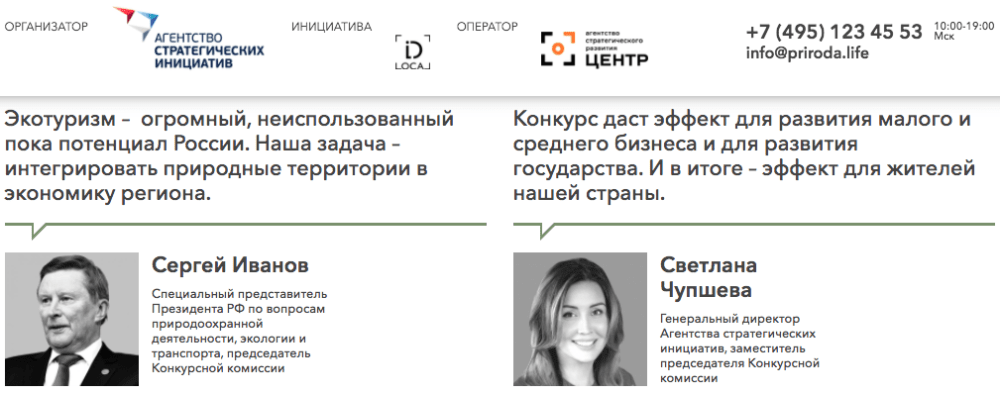
Everything about ecotourism and the development of natural areas: an open program of the Accelerator of the All-Russian competition

открытая программа Акселератора Всероссийского конкурса

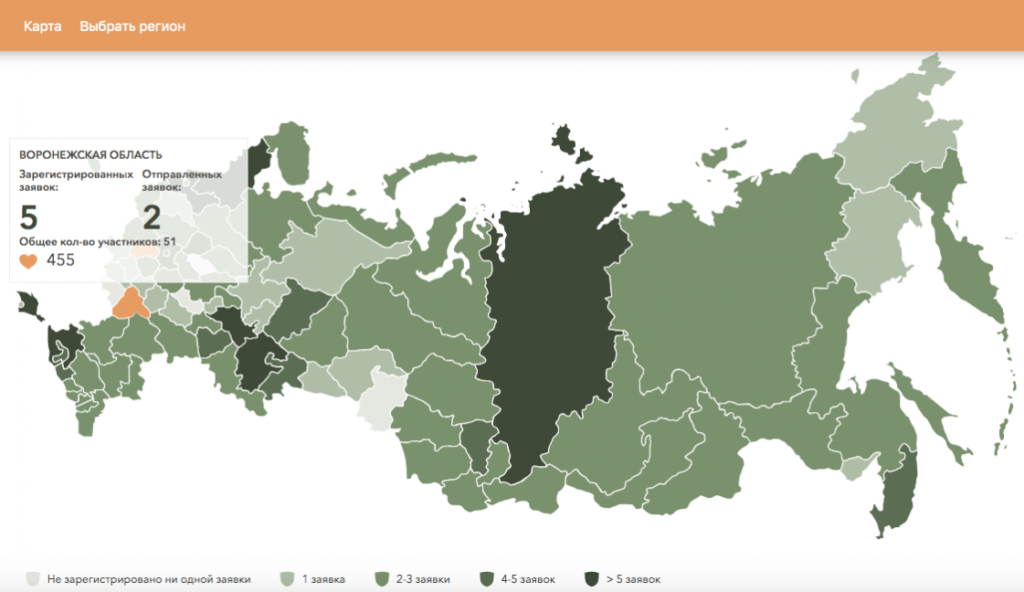
In August, as part of the Acceleration program of the All-Russian competition for the creation of tourist and recreational clusters and the development of ecotourism in Russia, an open online lecture program was launched. These are 8 educational practice-oriented events – everyone who is not indifferent to the topic of ecotourism and conservation of natural areas can become participants.

Open talk is held weekly on Wednesdays, from 12.00 to 14.00 Moscow time. At webinars, representatives of the state, business and PA institutions, as well as leading experts of the tourism industry, economists, architects, marketers, programmers share their experience and knowledge, some of whom are teachers of the basic program of the Accelerator, discuss the growth points of domestic tourism in the regions, effective mechanisms for the development of ecotourism and factors of investment attractiveness of territories on the example of existing protected areas.

The next webinar, already the fourth, will take place on August 26, and all the previous ones can be found on the YouTube channel of the program operator of the CENTER Strategic Development Agency.

В августе в рамках Акселерационной программы Всероссийского конкурса на создание туристско-рекреационных кластеров и развитие экотуризма в России стартовала открытая лекционная онлайн-программа.  Это 8 просветительских практикоориентированных мероприятий, участниками могу стать все, кому небезразлична тема экотуризма и сохранения природных территорий. 

Open talk’и проходит еженедельно по средам, с 12.00 до 14.00 по московскому времени. На вебинарах представители государства, бизнеса и учреждений ООПТ, а также ведущие эксперты туристской отрасли, экономисты, архитекторы, маркетологи, программисты делятся опытом и знаниям, часть из которых является преподавателями базовой программы Акселератора, обсуждают точки роста внутреннего туризма в регионах, эффективные механизмы развития экотуризма и факторы инвестиционной привлекательности территорий на примере действующих ООПТ.

Ближайший вебинар, уже четвертый, состоится 26 августа, а все предыдущие можно найти на YouTube-канале оператора программы Агентства стратегического развития «ЦЕНТР».

Applications include projects

Open program of the All-Russian Eco-Tourism Competition:

08/05/2020. Open talk. Government policy priorities for the integration of protected areas and SMEs in the development of ecological tourism. Partnership between the state, PA institutions and business.

12.08.2020. Open talk. Regional experience and prospects for the development of ecotourism. Effective project management mechanisms.

08/19/2020. Meetup. Sustainable development of protected areas. Regulation of anthropogenic loads during the development of natural areas.

08/26/2020. Meetup. What and how to build in nature?

02.09.2020. Meetup. Strategic marketing, promotion and digital technologies in ecotourism.

09.09.2020. Open talk. Creation of a popular tourist product. New models of local entrepreneurship.

09/16/2020. Design session. Art in nature. Land art and landscaping. Unique content as a territorial product.

21.10.2020. Meetup. How to convince an investor to work in a new way? Examples of PR and GR strategies (in Q&A format).

Открытая программа Всероссийского эко-туристского конкурса:

05.08.2020. Open talk. Приоритеты государственной политики для интеграции ООПТ и субъектов МСП в развитие экологического туризма. Партнерство государства, учреждений ООПТ и бизнеса.

12.08.2020. Open talk. Региональный опыт и перспективы развития экотуризма. Эффективные механизмы управления проектами.

19.08.2020. Meetup. Устойчивое развитие ООПТ. Регулирование антропогенных нагрузок при развитии природных территории.

26.08.2020. Meetup. Что и как строить на природе?

02.09.2020. Meetup. Стратегический маркетинг, продвижение и цифровые технологии в сфере экотуризма.

09.09.2020. Open talk. Создание востребованного туристского продукта. Новые модели локального предпринимательства.

16.09.2020. Дизайн-сессия. Искусство в природе. Лэнд-арт и ландшафтный дизайн. Уникальный контент как территориальный продукт.

21.10.2020. Meetup. Как убедить инвестора работать по-новому? Примеры PR и GR-стратегий (в формате Q&A).

Protected areas manual

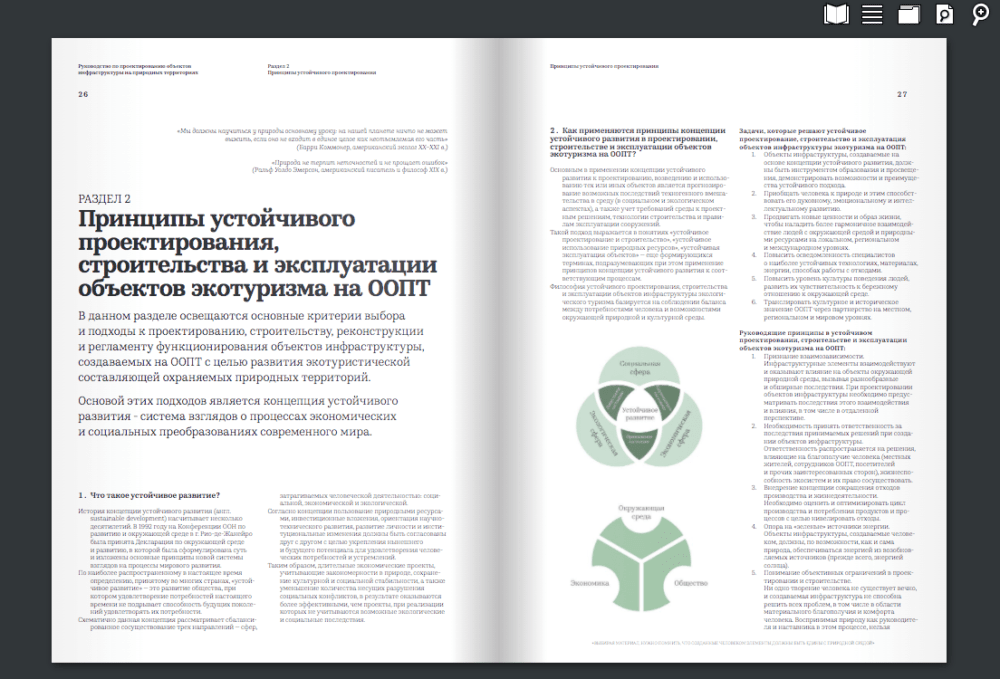
The Agency for Strategic Initiatives (ASI) and the Fantalis company (a large developer with extensive experience in the design and construction of infrastructure facilities in natural areas spanning from Krasnodar Territory to Kamchatka) systematized all foreign and Russian expertise, knowledge and perspectives within the framework of existing regulatory and legal field, relying on the principles of sustainable design, construction and operation of infrastructure facilities for ecological tourism , which are based on maintaining a balance of human needs and the capabilities of the natural and cultural environment.

As a result of systematic work, the “Guide Book for the design of infrastructure facilities in specially protected natural areas” was developed. The manual is available for download by the link: https://old.asi.ru/library/ecotourism/120678/.

The presentation of the gude book took place on August 10. You can watch the video after registering on priroda.life website

* Агентство стратегических инициатив (АСИ) и компания Fantalis (крупный девелопер, имеющий большой опыт работы по проектированию и строительству объектов инфраструктуры на природных территориях от Краснодарского края до Камчатки) систематизировали весь зарубежный и российский опыт, знания и подходы в рамках существующего нормативно-правового поля, опираясь на принципы устойчивого проектирования, строительства и эксплуатации объектов инфраструктуры экологического туризма, который базируется на соблюдении баланса потребностей человека и возможностями окружающей природной и культурной среды.

* В результате планомерной работы, разработано «Руководство по проектированию объектов инфраструктуры на особо охраняемых природных территориях». Руководство доступно для скачивания по <-  ссылке.

* Презентация руководства состоялась 10 августа. Вы можете посмотреть запись вебинара после авторизации на сайте priroda.life

Final Stage of All-Russian Eco Competition https://www.englishmag.ru/Final-Stage-of-All-Russian-Eco-Competition

Davos 2021: Putin Says Big Tech Is a Threat to ‘Democratic Institutions’

0

27 January 2020

Davos 2021 Agenda: Putin Says Big Tech Is a Threat to ‘Democratic Institutions’


English-Russian Synchronized translation

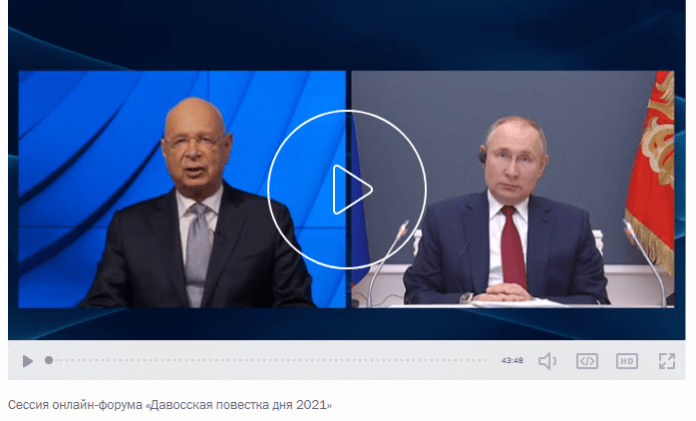
Session of Davos Agenda 2021 online forum

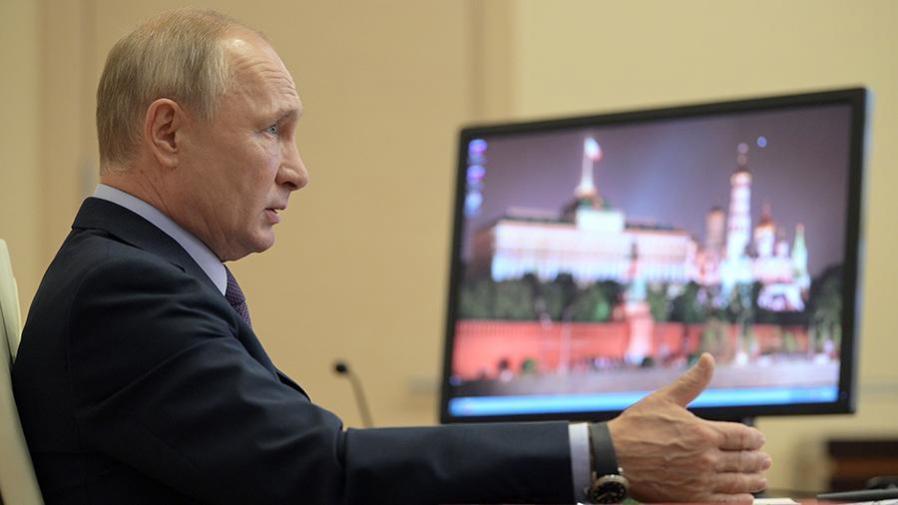
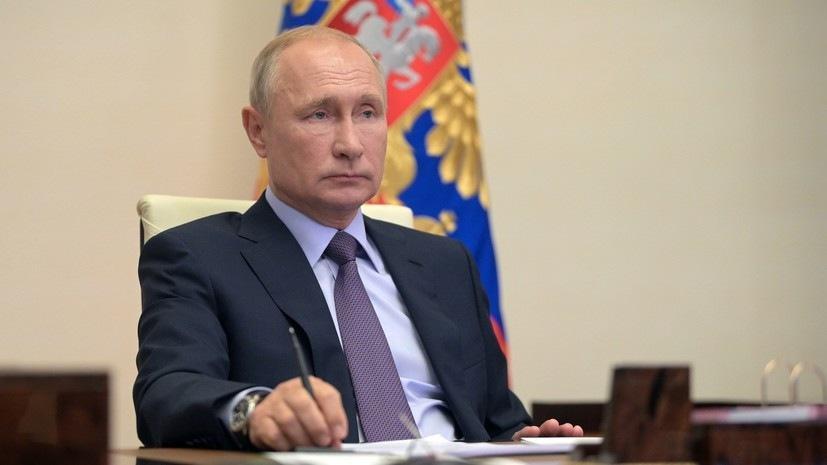
Vladimir Putin spoke at the session of the Davos Agenda 2021 online forum organised by the World Economic Forum (WEF).

Сессия онлайн-форума «Давосская повестка дня 2021»

Владимир Путин выступил на сессии онлайн-форума «Давосская повестка дня 2021», организованного Всемирным экономическим форумом.

The online events are taking place from January 25 to 29 and involve heads of state and government, CEOs of major international companies, global media and youth organisations from Asia, Europe, Africa, the Middle East, North America and Latin America.


The main focus of the forum is the discussion of the new global situation arising from the novel coronavirus pandemic.

Онлайн-мероприятия пройдут с 25 по 29 января с участием глав государств и правительств, руководителей крупнейших международных компаний, глобальных СМИ и молодёжных организаций Азии, Европы, Африки, Ближнего Востока, Северной Америки и Латинской Америки.


Главная тема дискуссии – «новая глобальная ситуация», связанная с пандемией коронавируса.

* * *

World Economic Forum Founder and Executive Chairman Klaus Schwab: Mr President, welcome to the Davos Agenda Week.

Russia is an important global power, and there’s a long-standing tradition of Russia’s participation in the World Economic Forum. At this moment in history, where the world has a unique and short window of opportunity to move from an age of confrontation to an age of cooperation, the ability to hear your voice, the voice of the President of the Russian Federation, is essential. Even and especially in times characterised by differences, disputes and protests, constructive and honest dialogue to address our common challenges is better than isolation and polarisation.

Yesterday, your phone exchange with President Biden and the agreement to extend the New START nuclear arms treaty in principle, I think, was a very promising sign in this direction.

COVID-19, Mr President, has shown our global vulnerability and interconnectivity, and, like any other country, Russia will certainly also be affected, and your economic development and prospects for international cooperation, of course, are of interest to all of us.

Mr President, we are keen to hear from your perspective and from that of Russia, how you see the situation developing in the third decade of the 21st century and what should be done to ensure that people everywhere find peace and prosperity.

Mr President, the world is waiting to hear from you.

* * *

К.Шваб (как переведено): Господин Президент! Добро пожаловать на «давосскую неделю». Россия – важная мировая держава с многолетней традицией участия во Всемирном экономическом форуме.

В данный исторический момент перед миром открывается новое окно возможностей для перехода от эпохи конфронтации к эпохе сотрудничества. Возможность услышать Ваш голос, голос Президента Российской Федерации, очень важна, особенно в то время, когда существует много разночтений, различных подходов, нужен конструктивный, честный диалог для решения наших общих проблем, для выхода из эпохи поляризации и изоляции.

Вчера Вы по телефону говорили с Президентом Байденом и договорились продлить договор о стратегических наступательных вооружениях, и это очень позитивный исторический признак.

COVID-19 показал, что все мы уязвимы и взаимозависимы. И, как другие страны, Россию, безусловно, не обошло влияние этой пандемии. И конечно, открываются новые возможности для международного сотрудничества, что интересует всех нас.

Господин Президент, мы с интересом выслушаем Вашу точку зрения, точку зрения России, взгляд на нынешнюю ситуацию, ситуацию в XXI веке. Что нужно сделать, по Вашему мнению, чтобы люди повсеместно жили в условиях мира и процветания?

Господин Президент, мир ждёт Вашего выступления.

President of Russia Vladimir Putin: Mr Schwab, dear Klaus,

Colleagues,


I have been to Davos many times, attending the events organised by Mr Schwab, even back in the 1990s. Klaus [Schwab] just recalled that we met in 1992. Indeed, during my time in St Petersburg, I visited this important forum many times. I would like to thank you for this opportunity today to convey my point of view to the expert community that gathers at this world-renowned platform thanks to the efforts of Mr Schwab.


First of all, ladies and gentlemen, I would like to greet all the World Economic Forum participants.


It is gratifying that this year, despite the pandemic, despite all the restrictions, the forum is still continuing its work. Although it is limited to online participation, the forum is taking place anyway, providing an opportunity for participants to exchange their assessments and forecasts during an open and free discussion, partially compensating for the increasing lack of in-person meetings between leaders of states, representatives of international business and the public in recent months. All this is very important now, when we have so many difficult questions to answer.

The current forum is the first one in the beginning of the third decade of the 21st century and, naturally, the majority of its topics are devoted to the profound changes that are taking place in the world.

Indeed, it is difficult to overlook the fundamental changes in the global economy, politics, social life and technology. The coronavirus pandemic, which Klaus just mentioned, which became a serious challenge for humankind, only spurred and accelerated the structural changes, the conditions for which had been created long ago. The pandemic has exacerbated the problems and imbalances that built up in the world before. There is every reason to believe that differences are likely to grow stronger. These trends may appear practically in all areas.

Needless to say, there are no direct parallels in history. However, some experts – and I respect their opinion – compare the current situation to the 1930s. One can agree or disagree, but certain analogies are still suggested by many parameters, including the comprehensive, systemic nature of the challenges and potential threats.

В.Путин: Уважаемый господин Шваб, дорогой Клаус!

Дорогие коллеги!


Я много раз бывал в Давосе, на мероприятиях, которые организует господин Шваб, ещё в 90-годы. Только что Клаус вспомнил, что мы познакомились в 1992 году. Во время работы в Петербурге, действительно, я неоднократно посещал этот представительный форум. Хочу Вас поблагодарить за то, что сегодня есть возможность донести свою точку зрения до экспертного сообщества, которое собирается на этой всемирно признанной площадке благодаря усилиям господина Шваба.


Прежде всего я хочу, дамы и господа, всех вас поприветствовать на Всемирном экономическом форуме.


Отрадно, что в этом году, несмотря на пандемию, несмотря на все ограничения, форум всё-таки продолжает свою работу. Хоть и в онлайн-формате, но всё-таки работает и предоставил возможность участникам в ходе открытой и свободной дискуссии обменяться своими оценками и прогнозами, что отчасти компенсирует тот дефицит прямого общения лидеров государств, представителей мирового бизнеса и общественности, который накопился за прошедшие месяцы. Всё это важно сейчас, когда перед нами столько сложных вопросов, требующих ответа.


Нынешний форум – первый в начавшемся третьем десятилетии XXI века, и большинство тем на нём, конечно же, посвящены глубинным переменам, которые происходят на планете.


Действительно, трудно не заметить коренных трансформаций в глобальной экономике, политике, социальной жизни, технологиях. Пандемия коронавируса, которую Клаус только что упомянул, ставшая серьёзным вызовом всему человечеству, лишь подстегнула, ускорила структурные изменения, предпосылки для которых уже были достаточно давно сформированы. Пандемия обострила проблемы и дисбалансы, ранее накопившиеся в мире. Есть все основания полагать, что существуют риски дальнейшего нарастания противоречий. И такие тенденции могут проявляться практически во всех сферах.


Конечно же, в истории нет прямых параллелей. Но некоторые эксперты – я с уважением отношусь к их мнению – сравнивают текущую ситуацию с 30-ми годами прошлого века. С такой ситуацией можно соглашаться, можно не соглашаться. Но по многим параметрам, по масштабу и комплексному, системному характеру вызовов, потенциальных угроз определённые аналогии всё-таки напрашиваются.

We are seeing a crisis of the previous models and instruments of economic development. Social stratification is growing stronger both globally and in individual countries. We have spoken about this before as well. But this, in turn, is causing today a sharp polarisation of public views, provoking the growth of populism, right- and left-wing radicalism and other extremes, and the exacerbation of domestic political processes including in the leading countries.


All this is inevitably affecting the nature of international relations and is not making them more stable or predictable. International institutions are becoming weaker, regional conflicts are emerging one after another, and the system of global security is deteriorating.


Klaus has mentioned the conversation I had yesterday with the US President on extending the New START. This is, without a doubt, a step in the right direction. Nevertheless, the differences are leading to a downward spiral. As you are aware, the inability and unwillingness to find substantive solutions to problems like this in the 20th century led to the WWII catastrophe.

Мы видим кризис прежних моделей и инструментов экономического развития. Усиление социального расслоения: как на глобальном уровне, так и в отдельных странах. Об этом мы и раньше говорили. Но это, в свою очередь, сегодня вызывает резкую поляризацию общественных взглядов, провоцирует рост популизма, правого и левого радикализма, других крайностей, обострение и ожесточение внутриполитических процессов, в том числе в ведущих странах.

Всё это неизбежно сказывается и на характере международных отношений, не добавляет им стабильности и предсказуемости. Происходит ослабление международных институтов, множатся региональные конфликты, деградирует и система глобальной безопасности.

Клаус сейчас упомянул о моём вчерашнем разговоре с Президентом Соединённых Штатов и о продлении договора об ограничении стратегических наступательных вооружений. Безусловно, это шаг в правильном направлении. Тем не менее противоречия закручиваются, что называется, по спирали. Как известно, неспособность и неготовность разрешать подобные проблемы по существу в ХХ веке обернулись катастрофой Второй мировой войны.

Of course, such a heated global conflict is impossible in principle, I hope. This is what I am pinning my hopes on, because this would be the end of humanity. However, as I have said, the situation could take an unexpected and uncontrollable turn – unless we do something to prevent this. There is a chance that we will face a formidable break-down in global development, which will be fraught with a war of all against all and attempts to deal with contradictions through the appointment of internal and external enemies and the destruction of not only traditional values such as the family, which we hold dear in Russia, but fundamental freedoms such as the right of choice and privacy.


I would like to point out the negative demographic consequences of the ongoing social crisis and the crisis of values, which could result in humanity losing entire civilisational and cultural continents.


We have a shared responsibility to prevent this scenario, which looks like a grim dystopia, and to ensure instead that our development takes a different trajectory – positive, harmonious and creative.


In this context, I would like to speak in more detail about the main challenges which, I believe, the international community is facing.


The first one is socioeconomic.


Indeed, judging by the statistics, even despite the deep crises in 2008 and 2020, the last 40 years can be referred to as successful or even super successful for the global economy. Starting from 1980, global per capita GDP has doubled in terms of real purchasing power parity. This is definitely a positive indicator.


Globalisation and domestic growth have led to strong growth in developing countries and lifted over a billion people out of poverty. So, if we take an income level of $5.50 per person per day (in terms of PPP) then, according to the World Bank, in China, for example, the number of people with lower incomes went from 1.1 billion in 1990 down to less than 300 million in recent years. This is definitely China’s success. In Russia, this number went from 64 million people in 1999 to about 5 million now. We believe this is also progress in our country, and in the most important area, by the way.


Still, the main question, the answer to which can, in many respects, provide a clue to today’s problems, is what was the nature of this global growth and who benefitted from it most.


Of course, as I mentioned earlier, developing countries benefitted a lot from the growing demand for their traditional and even new products. However, this integration into the global economy has resulted in more than just new jobs or greater export earnings. It also had its social costs, including a significant gap in individual incomes.


What about the developed economies where average incomes are much higher? It may sound ironic, but stratification in the developed countries is even deeper. According to the World Bank, 3.6 million people subsisted on incomes of under $5.50 per day in the United States in 2000, but in 2016 this number grew to 5.6 million people.


Meanwhile, globalisation led to a significant increase in the revenue of large multinational, primarily US and European, companies.


By the way, in terms of individual income, the developed economies in Europe show the same trend as the United States.


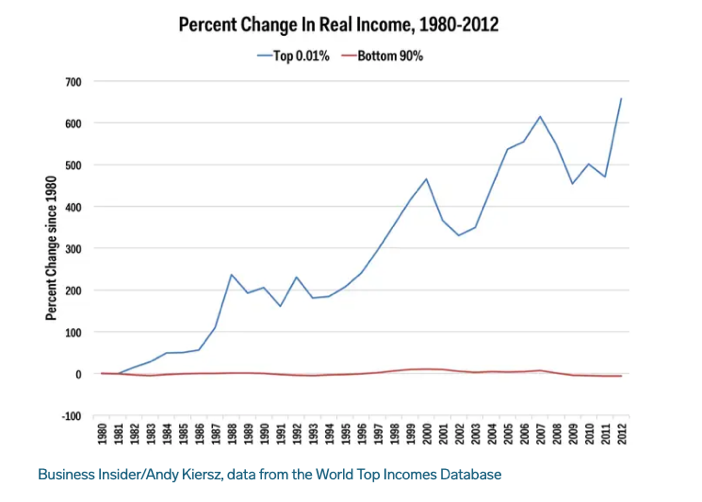
But then again, in terms of corporate profits, who got hold of the revenue? The answer is clear: one percent of the population.


And what has happened in the lives of other people? In the past 30 years, in a number of developed countries, the real incomes of over half of the citizens have been stagnating, not growing. Meanwhile, the cost of education and healthcare services has gone up. Do you know by how much? Three times.


In other words, millions of people even in wealthy countries have stopped hoping for an increase of their incomes. In the meantime, they are faced with the problem of how to keep themselves and their parents healthy and how to provide their children with a decent education.


There is no call for a huge mass of people and their number keeps growing. Thus, according to the International Labour Organisation (ILO), in 2019, 21 percent or 267 million young people in the world did not study or work anywhere. Even among those who had jobs (these are interesting figures) 30 percent had an income below $3.2 per day in terms of purchasing power parity.

Конечно, сейчас такой глобальный «горячий» конфликт, надеюсь, в принципе невозможен. Очень на это надеюсь. Он означал бы конец цивилизации. Но, повторю, ситуация может развиваться непредсказуемо и неуправляемо. Если, конечно, ничего не предпринимать для того, чтобы это не случилось. Есть вероятность столкнуться с настоящим срывом в мировом развитии, чреватым борьбой всех против всех, с попытками разрешить назревшие противоречия через поиск «внутренних» и «внешних» врагов, с разрушением не только таких традиционных ценностей (мы в России дорожим этим), как семья, но и базовых свобод, включая право выбора и неприкосновенность частной жизни.


Отмечу здесь, что социальный и ценностный кризис уже оборачивается негативными демографическими последствиями, из-за которых человечество рискует потерять целые цивилизационные и культурные материки.


Наша общая ответственность сегодня заключается в том, чтобы избежать такой перспективы, похожей на мрачную антиутопию, обеспечить развитие по иной, позитивной, гармоничной и созидательной траектории.


И в этой связи подробнее остановлюсь на тех ключевых вызовах, которые, по моему мнению, стоят сейчас перед мировым сообществом.


Первый из них – социально-экономический.


Да, если судить по цифрам статистики, то, даже несмотря на глубокие кризисы 2008 и 2020 годов, период последних сорока лет можно назвать успешным или даже сверхуспешным для мировой экономики. Начиная с 1980 года глобальный ВВП по паритету покупательной способности в реальном выражении на душу населения удвоился. Это, безусловно, положительный показатель.


Глобализация и внутренний рост привели к мощному подъёму в развивающихся странах, позволили более чем миллиарду человек выйти из бедности. Так, если взять уровень дохода в 5,5 доллара на человека в сутки (по паритету покупательной способности), то, по оценкам Всемирного банка, в Китае, например, число людей с более низкими доходами сократилось с 1,1 миллиарда в 1990 году до менее 300 миллионов в последние годы. Это, безусловно, успех Китая. А в России с 64 миллионов человек в 1999 году до порядка 5 миллионов в настоящее время. И мы считаем, что это тоже движение вперёд в нашей стране по самому главному, кстати говоря, направлению.


Но всё-таки главный вопрос, ответ на который во многом и даёт понимание нынешних проблем, – каков был характер такого глобального роста, кто получил от этого основную выгоду.


Безусловно, как уже сказал, во многом выиграли развивающиеся страны, которые использовали растущий спрос на свои традиционные и даже новые товары. Однако результатом такого встраивания в глобальную экономику стали не только рабочие места и экспортные поступления, но и социальные издержки, включая существенный разрыв в доходах граждан.


А как же обстоят дела в развитых экономиках, где уровень среднего благосостояния гораздо выше? Как ни парадоксально это звучит, но проблемы расслоения здесь, в развитых странах, оказались ещё более глубокими. Так, по оценкам Всемирного банка, если с уровнем дохода менее 5,5 доллара в сутки в Соединённых Штатах Америки, например, в 2000 году проживало 3,6 миллиона человек, то в 2016-м – уже 5,6 миллиона человек.


В течение этого же периода глобализация привела к значительному увеличению прибыли крупных транснациональных, прежде всего американских и европейских, компаний.


Кстати говоря, по гражданам, в развитых экономиках Европы такая же тенденция, как и в Штатах.

Но, опять же, если говорить о прибыли компаний, кому достались доходы? Ответ известен, он очевиден – одному проценту населения.


А что произошло в жизни остальных людей? За последние 30 лет в ряде развитых стран доходы более половины граждан в реальном выражении стагнировали, не росли. А вот стоимость услуг образования, здравоохранения увеличилась. И знаете, в какую величину? Втрое.


То есть миллионы людей даже в богатых странах перестали видеть перспективу прибавления своих доходов. При этом перед ними встают проблемы, как сохранить здоровье себе и своим родителям, как обеспечить качественное образование детям.


Накапливается и огромная масса людей, которые, по факту, оказываются невостребованными. Так, по оценкам Международной организации труда, в 2019 году 21 процент, или 267 миллионов молодых людей в мире нигде не учились и нигде не работали. И даже среди работающих (вот интересный показатель, интересные цифры), даже среди работающих 30 процентов живут с доходом ниже 3,2 доллара США в сутки по паритету покупательной способности.

These imbalances in global socioeconomic development are a direct result of the policy pursued in the 1980s, which was often vulgar or dogmatic. This policy rested on the so-called Washington Consensus with its unwritten rules, when the priority was given to the economic growth based on a private debt in conditions of deregulation and low taxes on the wealthy and the corporations.


As I have already mentioned, the coronavirus pandemic has only exacerbated these problems. In the last year, the global economy sustained its biggest decline since WWII. By July, the labour market had lost almost 500 million jobs. Yes, half of them were restored by the end of the year but still almost 250 million jobs were lost. This is a big and very alarming figure. In the first nine months of the past year alone, the losses of earnings amounted to $3.5 trillion. This figure is going up and, hence, social tension is on the rise.


At the same time, post-crisis recovery is not simple at all. If some 20 or 30 years ago, we would have solved the problem through stimulating macroeconomic policies (incidentally, this is still being done), today such mechanisms have reached their limits and are no longer effective. This resource has outlived its usefulness. This is not an unsubstantiated personal conclusion.


According to the IMF, the aggregate sovereign and private debt level has approached 200 percent of global GDP, and has even exceeded 300 percent of national GDP in some countries. At the same time, interest rates in developed market economies are kept at almost zero and are at a historic low in emerging market economies.


Taken together, this makes economic stimulation with traditional methods, through an increase in private loans virtually impossible. The so-called quantitative easing is only increasing the bubble of the value of financial assets and deepening the social divide. The widening gap between the real and virtual economies (incidentally, representatives of the real economy sector from many countries have told me about this on numerous occasions, and I believe that the business representatives attending this meeting will agree with me) presents a very real threat and is fraught with serious and unpredictable shocks.


Hopes that it will be possible to reboot the old growth model are connected with rapid technological development. Indeed, during the past 20 years we have created a foundation for the so-called Fourth Industrial Revolution based on the wide use of AI and automation and robotics. The coronavirus pandemic has greatly accelerated such projects and their implementation.


However, this process is leading to new structural changes, I am thinking in particular of the labour market. This means that very many people could lose their jobs unless the state takes effective measures to prevent this. Most of these people are from the so-called middle class, which is the basis of any modern society.


In this context, I would like to mention the second fundamental challenge of the forthcoming decade – the socio-political one. The rise of economic problems and inequality is splitting society, triggering social, racial and ethnic intolerance. Indicatively, these tensions are bursting out even in the countries with seemingly civil and democratic institutions that are designed to alleviate and stop such phenomena and excesses.


The systemic socioeconomic problems are evoking such social discontent that they require special attention and real solutions. The dangerous illusion that they may be ignored or pushed into the corner is fraught with serious consequences.


In this case, society will still be divided politically and socially. This is bound to happen because people are dissatisfied not by some abstract issues but by real problems that concern everyone regardless of the political views that people have or think they have. Meanwhile, real problems evoke discontent.

Такие перекосы в глобальном социально-экономическом развитии стали прямым результатом политики, проводившейся в 80-е годы прошлого века, и проводившейся зачастую вульгарно и догматически. В основе этой политики лежал так называемый Вашингтонский консенсус. С его неписаными правилами, когда приоритет отдаётся росту экономики на базе частного долга в условиях дерегулирования и низких налогов на богатых и корпорации.


Как уже сказал, пандемия коронавируса только обострила эти проблемы. В прошлом году падение глобальной экономики стало максимальным со времён Второй мировой войны. Потери рынка труда к июлю оказались эквивалентны почти 500 миллионам рабочих мест. Да, к концу года половину из них удалось восстановить. Но всё-таки это почти 250 миллионов утраченных рабочих мест. Это большая и очень тревожная цифра. Только за первые девять месяцев прошлого года потери трудового дохода в мире составили 3,5 триллиона долларов. И этот показатель продолжает расти. А значит, растёт и социальная напряжённость в обществе.


При этом посткризисное восстановление идёт непросто. Если 20–30 лет назад проблему можно было бы решить за счёт стимулирующей макроэкономической политики (так и делают, кстати говоря, постоянно до сих пор), то сегодня такие механизмы уже, по сути, исчерпали себя, не работают. Их ресурс практически исчерпан. Это не мои голословные утверждения.


Так, по оценкам МВФ, уровень совокупного долга государственного и частного сектора вплотную приблизился к отметке в 200 процентов глобального ВВП. А в отдельных экономиках он превысил 300 процентов национального ВВП. При этом в развитых странах процентные ставки повсеместно находятся практически на нулевой отметке. А в ключевых развивающихся – на исторически минимальных уровнях.


Всё это делает стимулирование экономики традиционными инструментами за счёт наращивания частного кредитования по сути невозможным. Так называемое количественное смягчение, которое только повышает, раздувает «пузырь» стоимости финансовых активов, ведёт к дальнейшему расслоению в обществе. А нарастающий разрыв между «реальной» и «виртуальной» экономикой (кстати говоря, мне об этом очень часто говорят представители реального сектора экономики из многих стран мира, и думаю, что участники сегодняшней встречи из бизнеса тоже со мной согласятся) представляет реальную угрозу и чреват серьёзными, непредсказуемыми потрясениями.


Определённые надежды на то, что удастся «перезагрузить» прежнюю модель роста, связаны с бурным технологическим развитием. Действительно, последние 20 лет заложили фундамент для так называемой четвёртой промышленной революции, которая основана на повсеместном применении искусственного интеллекта, автоматизированных и роботизированных решений. Пандемия коронавируса значительно ускорила такие разработки и их внедрение.


Однако этот процесс порождает и новые структурные изменения, прежде всего имею в виду рынок труда. А значит, без эффективных действий государства множество людей рискуют остаться без работы. Причём зачастую это так называемый средний класс. А это основа любого современного общества.
 

И в этой связи о втором фундаментальном вызове предстоящего десятилетия – общественно-политическом. Рост экономических проблем и неравенства раскалывает общество, порождает социальную, расовую, национальную нетерпимость, причём такое напряжение прорывается наружу даже в странах с, казалось бы, устоявшимися гражданскими и демократическими институтами, призванными сглаживать, гасить подобные явления и эксцессы.
 

Системные социально-экономические проблемы порождают такое общественное недовольство, что это требует особого внимания, требует того, чтобы эти проблемы решались по существу. Опасная иллюзия, что их можно, что называется, проигнорировать, пропустить, загнать куда-то в угол, чревата серьёзными последствиями.

В таком случае общество всё равно будет разделено и политически, и социально. Потому что для людей причины быть недовольными заключаются на самом деле не в каких-то умозрительных вещах, а в реальных проблемах, которые касаются каждого, каких бы взглядов, в том числе политических, человек реально ни придерживался. Или как он думает, что он придерживается. А вот реальные проблемы порождают недовольство.

I would like to emphasise one more important point. Modern technological giants, especially digital companies, have started playing an increasing role in the life of society. Much is being said about this now, especially regarding the events that took place during the election campaign in the US. They are not just some economic giants. In some areas, they are de facto competing with states. Their audiences consist of billions of users that pass a considerable part of their lives in these eco systems.


In the opinion of these companies, their monopoly is optimal for organising technological and business processes. Maybe so but society is wondering whether such monopolism meets public interests. Where is the border between successful global business, in-demand services and big data consolidation and the attempts to manage society at one’s own discretion and in a tough manner, replace legal democratic institutions and essentially usurp or restrict the natural right of people to decide for themselves how to live, what to choose and what position to express freely? We have just seen all of these phenomena in the US and everyone understands what I am talking about now. I am confident that the overwhelming majority of people share this position, including the participants in the current event.


And finally, the third challenge, or rather, a clear threat that we may well run into in the coming decade is the further exacerbation of many international problems. After all, unresolved and mounting internal socioeconomic problems may push people to look for someone to blame for all their troubles and to redirect their irritation and discontent. We can already see this. We feel that the degree of foreign policy propaganda rhetoric is growing.

We can expect the nature of practical actions to also become more aggressive, including pressure on the countries that do not agree with a role of obedient controlled satellites, use of trade barriers, illegitimate sanctions and restrictions in the financial, technological and cyber spheres.

Выделю ещё один принципиальный момент. Всё более значимую роль в жизни общества стали играть современные технологические и прежде всего цифровые гиганты. Сейчас об этом много говорят, особенно применительно к событиям, которые в Штатах происходили в предвыборной кампании. И это уже не просто какие-то экономические гиганты, по отдельным направлениям они де-факто конкурируют с государствами. Их аудитория исчисляется миллиардами пользователей, которые проводят в рамках этих экосистем значительную часть своей жизни.


С точки зрения самих компаний их монопольное положение оптимально для организации технологических и бизнес-процессов. Может быть, это так, но у общества возникает вопрос: насколько такой монополизм соответствует именно общественным интересам? Где грань между успешным глобальным бизнесом, востребованными услугами и сервисами, консолидацией больших данных и попытками грубо, по своему усмотрению управлять обществом, подменять легитимные демократические институты, по сути, узурпировать или ограничивать естественное право человека самому решать, как жить, что выбирать, какую позицию свободно высказывать? Мы все это видели только что в Штатах, и все понимают, о чём я сейчас говорю. Уверен, что подавляющее большинство людей разделяет такую позицию, в том числе и те, кто сегодня с нами участвует в мероприятии.


И наконец, третий вызов, а точнее, явная угроза, с которой мы можем столкнуться в наступившем десятилетии, – это дальнейшее обострение всего комплекса международных проблем. Ведь нерешённые и нарастающие внутренние социально-экономические проблемы могут подталкивать к поиску того, на кого можно всё свалить, обвинить во всех бедах и перенаправить раздражение и недовольство своих граждан. И мы это уже видим, мы ощущаем, что градус внешнеполитической, пропагандистской риторики нарастает. Можно ожидать, что более агрессивным станет и характер практических действий, включая давление на те страны, которые не согласны с ролью послушных управляемых сателлитов, использование торговых барьеров, нелегитимные санкции, ограничение финансовой, технологической, информационной сфер…

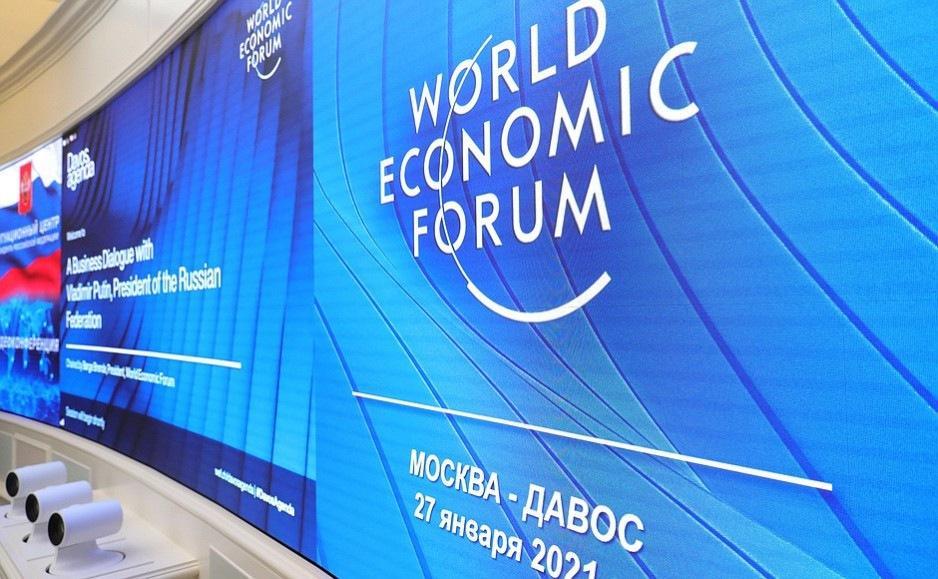
Davos 2021

Such a game with no rules critically increases the risk of unilateral use of military force. The use of force under a far-fetched pretext is what this danger is all about. This multiplies the likelihood of new hot spots flaring up on our planet. This concerns us.


Colleagues, despite this tangle of differences and challenges, we certainly should keep a positive outlook on the future and remain committed to a constructive agenda. It would be naive to come up with universal miraculous recipes for resolving the above problems. But we certainly need to try to work out common approaches, bring our positions as close as possible and identify sources that generate global tensions.


Once again, I want to emphasise my thesis that accumulated socioeconomic problems are the fundamental reason for unstable global growth.

So, the key question today is how to build a programme of actions in order to not only quickly restore the global and national economies affected by the pandemic, but to ensure that this recovery is sustainable in the long run, relies on a high-quality structure and helps overcome the burden of social imbalances. Clearly, with the above restrictions and macroeconomic policy in mind, economic growth will largely rely on fiscal incentives with state budgets and central banks playing the key role.


Actually, we can see these kinds of trends in the developed countries and also in some developing economies as well. An increasing role of the state in the socioeconomic sphere at the national level obviously implies greater responsibility and close interstate interaction when it comes to issues on the global agenda.


Calls for inclusive growth and for creating decent standards of living for everyone are regularly made at various international forums. This is how it should be, and this is an absolutely correct view of our joint efforts.


It is clear that the world cannot continue creating an economy that will only benefit a million people, or even the golden billion. This is a destructive precept. This model is unbalanced by default. The recent developments, including migration crises, have reaffirmed this once again.


We must now proceed from stating facts to action, investing our efforts and resources into reducing social inequality in individual countries and into gradually balancing the economic development standards of different countries and regions in the world. This would put an end to migration crises.


The essence and focus of this policy aimed at ensuring sustainable and harmonious development are clear. They imply the creation of new opportunities for everyone, conditions under which everyone will be able to develop and realise their potential regardless of where they were born and are living


I would like to point out four key priorities, as I see them. This might be old news, but since Klaus has allowed me to present Russia’s position, my position, I will certainly do so.


First, everyone must have comfortable living conditions, including housing and affordable transport, energy and public utility infrastructure. Plus environmental welfare, something that must not be overlooked.


Second, everyone must be sure that they will have a job that can ensure sustainable growth of income and, hence, decent standards of living. Everyone must have access to an effective system of lifelong education, which is absolutely indispensable now and which will allow people to develop, make a career and receive a decent pension and social benefits upon retirement.


Third, people must be confident that they will receive high-quality and effective medical care whenever necessary, and that the national healthcare system will guarantee access to modern medical services.


Fourth, regardless of the family income, children must be able to receive a decent education and realise their potential. Every child has potential.


This is the only way to guarantee the cost-effective development of the modern economy, in which people are perceived as the end, rather than the means. Only those countries capable of attaining progress in at least these four areas will facilitate their own sustainable and all-inclusive development. These areas are not exhaustive, and I have just mentioned the main aspects.


A strategy, also being implemented by my country, hinges on precisely these approaches. Our priorities revolve around people, their families, and they aim to ensure demographic development, to protect the people, to improve their well-being and to protect their health. We are now working to create favourable conditions for worthy and cost-effective work and successful entrepreneurship and to ensure digital transformation as the foundation of a high-tech future for the entire country, rather than that of a narrow group of companies.


We intend to focus the efforts of the state, the business community and civil society on these tasks and to implement a budgetary policy with the relevant incentives in the years ahead.


We are open to the broadest international cooperation, while achieving our national goals, and we are confident that cooperation on matters of the global socioeconomic agenda would have a positive influence on the overall atmosphere in global affairs, and that interdependence in addressing acute current problems would also increase mutual trust which is particularly important and particularly topical today.


Obviously, the era linked with attempts to build a centralised and unipolar world order has ended. To be honest, this era did not even begin. A mere attempt was made in this direction, but this, too, is now history. The essence of this monopoly ran counter to our civilisation’s cultural and historical diversity.


The reality is such that really different development centres with their distinctive models, political systems and public institutions have taken shape in the world. Today, it is very important to create mechanisms for harmonising their interests to prevent the diversity and natural competition of the development poles from triggering anarchy and a series of protracted conflicts.


To achieve this we must, in part, consolidate and develop universal institutions that bear special responsibility for ensuring stability and security in the world and for formulating and defining the rules of conduct both in the global economy and trade.


I have mentioned more than once that many of these institutions are not going through the best of times. We have been bringing this up at various summits. Of course, these institutions were established in a different era. This is clear. Probably, they even find it difficult to parry modern challenges for objective reasons. However, I would like to emphasise that this is not an excuse to give up on them without offering anything in exchange, all the more so since these structures have unique experience of work and a huge but largely untapped potential. And it certainly needs to be carefully adapted to modern realities. It is too early to dump it in the dustbin of history. It is essential to work with it and to use it.


Naturally, in addition to this, it is important to use new, additional formats of cooperation. I am referring to such phenomenon as multiversity. Of course, it is also possible to interpret it differently, in one’s own way. It may be viewed as an attempt to push one’s own interests or feign the legitimacy of one’s own actions when all others can merely nod in approval. Or it may be a concerted effort of sovereign states to resolve specific problems for common benefit. In this case, this may refer to the efforts to settle regional conflicts, establish technological alliances and resolve many other issues, including the formation of cross-border transport and energy corridors and so on and so forth.


Friends,


Ladies and gentlemen,


This opens wide possibilities for collaboration. Multi-faceted approaches do work. We know from practice that they work. As you may be aware, within the framework of, for example, the Astana format, Russia, Iran and Turkey are doing much to stabilise the situation in Syria and are now helping establish a political dialogue in that country, of course, alongside other countries. We are doing this together. And, importantly, not without success.


For example, Russia has undertaken energetic mediation efforts to stop the armed conflict in Nagorno-Karabakh, in which peoples and states that are close to us – Azerbaijan and Armenia – are involved. We strived to follow the key agreements reached by the OSCE Minsk Group, in particular between its co-chairs – Russia, the United States and France. This is also a very good example of cooperation.


As you may be aware, a trilateral Statement by Russia, Azerbaijan and Armenia was signed in November. Importantly, by and large, it is being steadily implemented. The bloodshed was stopped. This is the most important thing. We managed to stop the bloodshed, achieve a complete ceasefire and start the stabilisation process.


Now the international community and, undoubtedly, the countries involved in crisis resolution are faced with the task of helping the affected areas overcome humanitarian challenges related to returning refugees, rebuilding destroyed infrastructure, protecting and restoring historical, religious and cultural landmarks.


Or, another example. I will note the role of Russia, Saudi Arabia, the United States and a number of other countries in stabilising the global energy market. This format has become a productive example of interaction between the states with different, sometimes even diametrically opposite assessments of global processes, and with their own outlooks on the world.


At the same time there are certainly problems that concern every state without exception. One example is cooperation in studying and countering the coronavirus infection. As you know, several strains of this dangerous virus have emerged. The international community must create conditions for cooperation between scientists and other specialists to understand how and why coronavirus mutations occur, as well as the difference between the various strains.


Of course, we need to coordinate the efforts of the entire world, as the UN Secretary-General suggests and as we urged recently at the G20 summit. It is essential to join and coordinate the efforts of the world in countering the spread of the virus and making the much needed vaccines more accessible. We need to help the countries that need support, including the African nations. I am referring to expanding the scale of testing and vaccinations.


We see that mass vaccination is accessible today, primarily to people in the developed countries. Meanwhile, millions of people in the world are deprived even of the hope for this protection. In practice, such inequality could create a common threat because this is well known and has been said many times that it will drag out the epidemic and uncontrolled hotbeds will continue. The epidemic has no borders.

Подобная игра без правил критически повышает риски одностороннего применения военной силы – вот в чём опасность, применение силы под тем или иным надуманным предлогом. Это умножает вероятность появления новых горячих точек на нашей планете. Это всё то, что не может нас не беспокоить.


Вместе с тем, уважаемые участники форума, несмотря на такой клубок противоречий и вызовов, нам нужно, безусловно, не утрачивать позитивный взгляд на будущее, нужно сохранять приверженность к созидательной повестке. Было бы наивно предлагать какие-то универсальные чудодейственные рецепты решения обозначенных проблем. Но пытаться выработать общие подходы, максимально сблизить позиции, обозначить источники, порождающие глобальное напряжение, нам всем, безусловно, необходимо.


Вновь хочу подчеркнуть свой тезис: фундаментальной причиной неустойчивости глобального развития во многом являются накопленные социально-экономические проблемы. Поэтому ключевой вопрос сегодня – как выстраивать логику действий, чтобы не просто быстро восстановить глобальную и национальную экономики, пострадавшие от последствий пандемии отрасли, а добиться того, чтобы такое восстановление было именно устойчивым в долгосрочной перспективе и имело качественную структуру, помогало преодолеть груз социальных дисбалансов. Явно с учётом уже упомянутых ограничений, макроэкономической политики дальнейшее развитие экономики будет в большей степени основано на бюджетных стимулах, а ключевую роль будут играть государственные бюджеты и центральные банки.


Фактически в развитых странах, да и в части развивающихся мы уже наблюдаем такие тенденции. Повышение роли государств в социально-экономической сфере на национальном уровне, очевидно, требует большей ответственности, тесного межгосударственного взаимодействия и в вопросах глобальной повестки. На разных международных форумах постоянно звучат призывы к инклюзивному росту, к созданию условий для достижения достойного уровня жизни каждого человека. Это всё правильно, в абсолютно нужном направлении рассматривается такая наша совместная работа.


Абсолютно ясно, что мир не может идти по пути построения экономики, работающей на миллион человек или даже на «золотой миллиард». Это просто деструктивная позиция. Такая модель по определению неустойчива. Недавние события, в том числе миграционные кризисы, вновь это подтвердили.


Сейчас важно от общей констатации перейти к делу, направить реальные усилия и ресурсы на то, чтобы добиться как снижения социального неравенства внутри отдельных стран, так и постепенного сближения уровня экономического развития разных стран и регионов планеты. Тогда и миграционных кризисов не будет.


Смыслы, акценты такой политики, призванной обеспечить устойчивое и гармоничное развитие, очевидны. Что это? Это создание новых возможностей для каждого, условий для развития и реализации потенциала человека вне зависимости от того, где он родился и живёт.


И здесь обозначу четыре ключевых приоритета. Как они мне видятся как приоритеты. Ничего, может быть, оригинального не скажу. Тем не менее, поскольку Клаус позволил высказать позицию России, мою позицию, я, безусловно, это сделаю.


Первое. У человека должна быть комфортная среда для жизни. Это жильё и доступная инфраструктура: транспортная, энергетическая, коммунальная. И конечно, экологическое благополучие, об этом никогда не нужно забывать.


Второе. Человек должен быть уверен, что у него будет работа, которая даст устойчиво растущий доход и, соответственно, достойный уровень жизни. Он должен иметь доступ к действенным механизмам обучения в течение всей своей жизни, сегодня это абсолютно необходимо, позволяющим ему развиваться и строить свою карьеру, а после её завершения получить достойную пенсию и социальный пакет.


Третье. Человек должен быть уверен, что он получит качественную, эффективную медицинскую помощь, когда это требуется, что система здравоохранения в любом случае гарантирует ему доступ к современному уровню услуг.


Четвёртое. Независимо от дохода семьи дети должны иметь возможность получить достойное образование и реализовать свой потенциал. Такой потенциал есть у каждого ребёнка.


Только так можно будет гарантировать наиболее эффективное развитие современной экономики. Экономики, где люди – не средство, а цель. И только те страны, которые смогут добиться прогресса по обозначенным четырём направлениям (они не исчерпывающие, я сказал только о главном), но только те страны, которые смогут добиться прогресса хотя бы по этим четырём направлениям, обеспечат себе устойчивое и инклюзивное развитие.


Именно эти подходы лежат в основе стратегии, которую реализует и моя страна, Россия. Наши приоритеты построены вокруг человека, его семьи, направлены на демографическое развитие и сбережение народа, на повышение благополучия людей, защиту их здоровья. Мы работаем над тем, чтобы создать условия для достойного и эффективного труда и успешного предпринимательства, обеспечить цифровую трансформацию как основу технологического уклада будущего всей страны, а не узкой группы компаний.


На этих задачах намерены концентрировать усилия государства, бизнеса, гражданского общества, выстраивать стимулирующую бюджетную политику в предстоящие годы.


В достижении наших национальных целей развития мы открыты для самого широкого международного сотрудничества и уверены, что кооперация по вопросам глобальной социально-экономической повестки позитивно повлияла бы и на общую атмосферу в мировых делах, а взаимозависимость в решении острых текущих проблем добавила бы и взаимного доверия, что сейчас особенно важно и особенно актуально.


Очевидно, что эпоха, связанная с попытками выстроить централизованный, однополярный миропорядок, эта эпоха завершилась. Собственно, она и не начиналась. Была предпринята только попытка в этом направлении. Но и это уже прошло. Подобная монополия просто по своей природе противоречила культурной, исторической многоликости нашей цивилизации.


Реальность такова, что в мире сформировались, заявили о себе действительно разные центры развития, со своими самобытными моделями, политическими системами, общественными институтами. И сегодня крайне важно выстроить механизмы согласования их интересов, чтобы многообразие, естественная конкуренция полюсов развития не обернулись анархией, чередой затяжных конфликтов.


Для этого в том числе нам предстоит заняться укреплением и развитием универсальных институтов, на которых лежит особая ответственность за обеспечение стабильности и безопасности в мире, за выработку правил поведения и в глобальной экономике, в торговле.


Уже не раз отмечал, что многие из таких институтов сегодня переживают далеко не лучшие времена. Мы на различных саммитах постоянно об этом говорим. Эти институты создавались, конечно, в другую эпоху, это понятно. И отвечать на сегодняшние вызовы им, может быть, объективно даже трудно. Но – хотел бы подчеркнуть – это не повод отказываться от них, по сути, ничего не предлагая взамен. Тем более что эти структуры обладают уникальным опытом работы и большим, во многом нереализованным потенциалом. И его нужно, безусловно, аккуратно адаптировать к современным реалиям, но ещё рано выбрасывать на свалку истории. С ним нужно работать, использовать его.


Наряду с этим, конечно же, важно использовать новые, дополнительные форматы взаимодействия. Говорю здесь о таком явлении, как многосторонность. Конечно, его также можно понимать по-разному, по-своему. Либо как продавливание своих интересов, придание подобия легитимности односторонним действиям, когда другим остаётся лишь одобрительно кивать. Либо это реальное объединение усилий суверенных государств для решения конкретных проблем к общей пользе. Речь в данном случае может идти и о регулировании региональных конфликтов, и о создании технологических альянсов, и о многих других направлениях, включая формирование трансграничных транспортных, энергетических коридоров, и так далее и тому подобное.


Уважаемые друзья, дамы и господа!


Вы понимаете, здесь очень широкое поле для совместной работы. Такие многосторонние подходы действительно работают. Практика показывает, что они работают. Напомню, что в рамках, например, “Астанинского формата„ Россия, Иран и Турция многое делают для стабилизации ситуации в Сирии и сейчас помогают налаживанию в этой стране политического диалога. Конечно, вместе с другими странами. Мы делаем это вместе. И в целом небезуспешно, хочу это подчеркнуть.


Россией были предприняты, например, активные посреднические усилия, чтобы остановить вооружённый конфликт в районе Нагорного Карабаха, в который оказались вовлечены близкие нам народы и государства – Азербайджан и Армения. При этом мы стремились следовать ключевым договорённостям, достигнутым в Минской группе ОБСЕ, в частности между её сопредседателями – Россией, США и Францией. Тоже очень хороший пример сотрудничества.


Как известно, в ноябре было подписано трёхстороннее Заявление России, Азербайджана и Армении. И важно, что оно, по большому счёту, последовательно реализуется. Удалось остановить кровопролитие. Это самое главное. Удалось остановить кровопролитие, добиться полного прекращения огня и начать процесс стабилизации.


Теперь перед международным сообществом и, несомненно, перед странами, участвовавшими в разрешении кризиса, стоит задача оказания помощи пострадавшим районам в решении гуманитарных проблем, связанных с возвращением беженцев, с восстановлением разрушенной инфраструктуры, защитой и восстановлением памятников истории, религии и культуры.


Или другой пример. Отмечу роль России, Саудовской Аравии и Соединённых Штатов Америки, ряда других стран в стабилизации мирового энергетического рынка. Такой формат стал продуктивным примером взаимодействия государств с разными, порой даже абсолютно противоположенными оценками глобальных процессов, со своими мировоззренческими позициями.


Вместе с тем, конечно, есть проблемы, которые касаются всех без исключения государств. Пример тому – сотрудничество в области изучения коронавирусной инфекции и борьбы с ней. За последнее время появилось несколько разновидностей, как известно, этого опасного заболевания. И мировое сообщество должно создать условия для совместной работы учёных, специалистов, чтобы понять, почему и как происходит, например, мутация коронавируса, чем отличаются друг от друга разные штаммы. И конечно, надо координировать усилия всего мира, к чему призывает Генеральный секретарь ООН, к чему мы обращались на саммите «двадцатки» не так давно, надо объединять и координировать усилия всего мира в борьбе с распространением заболевания и повышении доступности столь необходимых сейчас вакцин от коронавируса. Нужно оказать помощь тем государствам, которые нуждаются в поддержке, в том числе африканским. Имею в виду наращивание объёмов тестирования и проведение вакцинации. Мы видим, что массовая вакцинация доступна сегодня прежде всего гражданам развитых стран, тогда как сотни миллионов людей на планете лишены даже надежды на подобную защиту. На практике такое неравенство может означать общую угрозу, потому что, и это хорошо известно, много раз уже об этом сказали, эпидемия будет затягиваться, будут сохраняться её неконтролируемые очаги. Она не имеет границ.

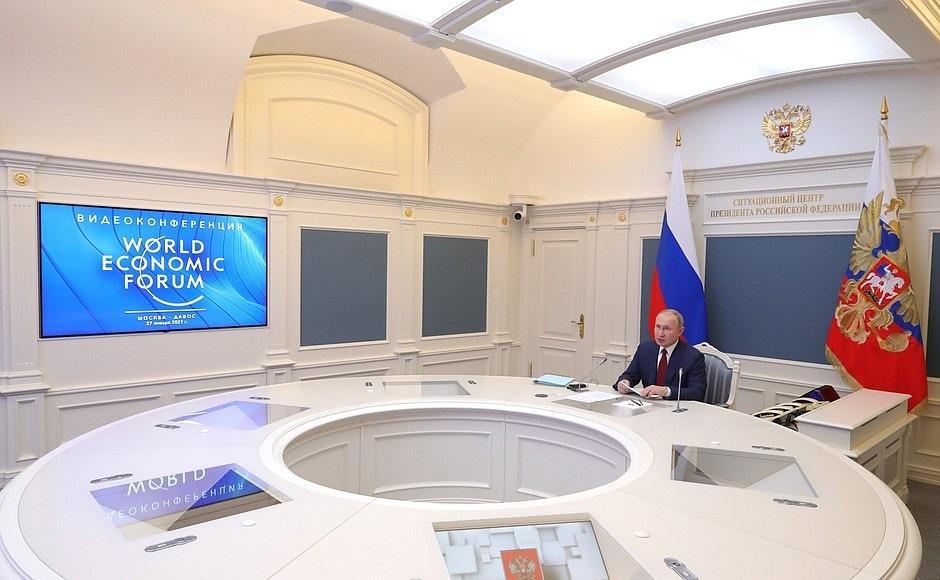
Davos 2021 Putin at the table

There are no borders for infections or pandemics. Therefore, we must learn the lessons from the current situation and suggest measures aimed at improving the monitoring of the emergence of such diseases and the development of such cases in the world.

Another important area that requires coordination, in fact, the coordination of the efforts of the entire international community, is to preserve the climate and nature of our planet. I will not say anything new in this respect.

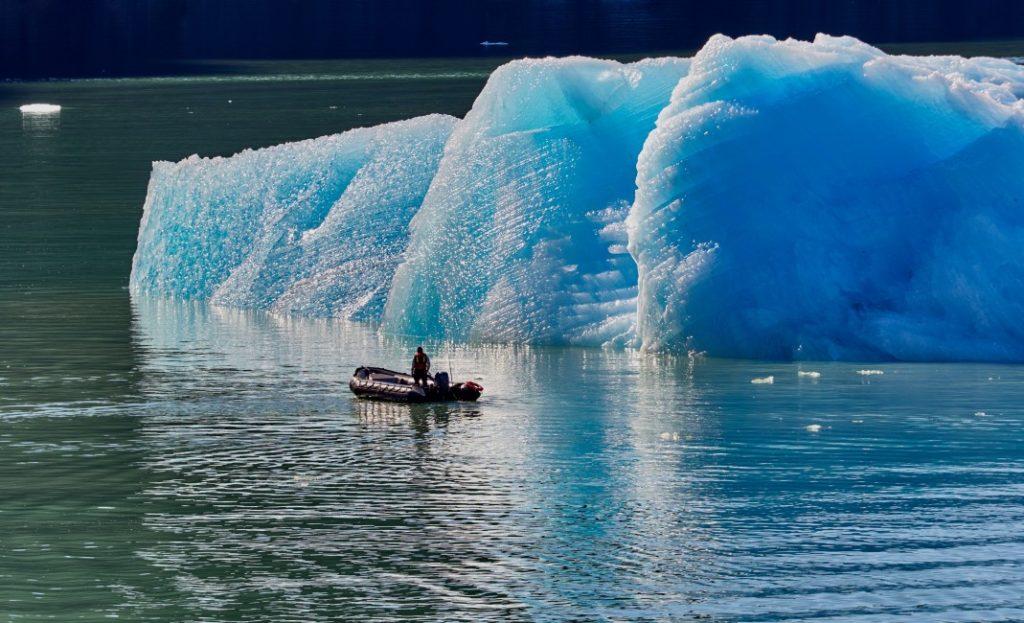
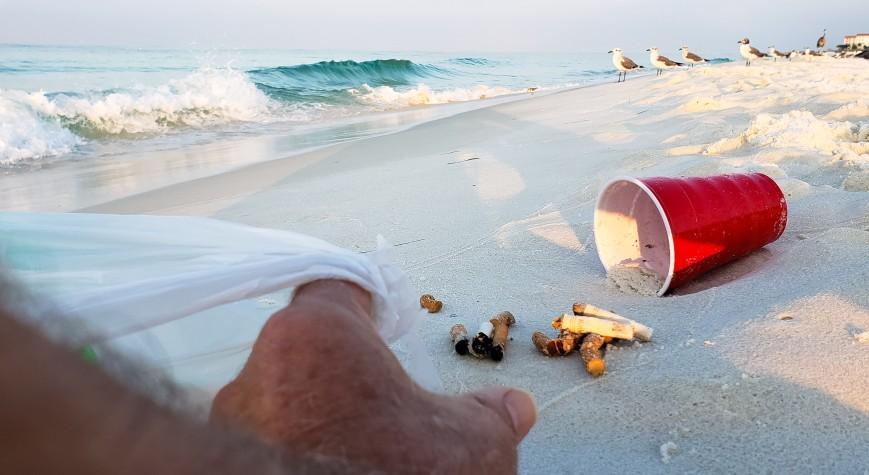
Only together can we achieve progress in resolving such critical problems as global warming, the reduction of forestlands, the loss of biodiversity, the increase in waste, the pollution of the ocean with plastic and so on, and find an optimal balance between economic development and the preservation of the environment for the current and future generations.


My friends,

We all know that competition and rivalry between countries in world history never stopped, do not stop and will never stop. Differences and a clash of interests are also natural for such a complicated body as human civilisation. However, in critical times this did not prevent it from pooling its efforts – on the contrary, it united in the most important destinies of humankind. I believe this is the period we are going through today.

It is very important to honestly assess the situation, to concentrate on real rather than artificial global problems, on removing the imbalances that are critical for the entire international community. I am sure that in this way we will be able to achieve success and befittingly parry the challenges of the third decade of the 21st century.

I would like to finish my speech at this point and thank all of you for your patience and attention.

Thank you very much.


Klaus Schwab: Thank you very much, Mr President.

Many of the issues raised, certainly, are part of our discussions here during the Davos Week. We complement the speeches also by task forces which address some of the issues you mentioned, like not leaving the developing world behind, taking care of, let’s say, creating the skills for tomorrow, and so on. Mr President, we prepare for the discussion afterwards, but I have one very short question. It is a question which we discussed when I visited you in St Petersburg 14 months ago. How do you see the future of European-Russian relations? Just a short answer.


Vladimir Putin: You know there are things of an absolutely fundamental nature such as our common culture. Major European political figures have talked in the recent past about the need to expand relations between Europe and Russia, saying that Russia is part of Europe. Geographically and, most importantly, culturally, we are one civilisation. French leaders have spoken of the need to create a single space from Lisbon to the Urals. I believe, and I mentioned this, why the Urals? To Vladivostok.

I personally heard the outstanding European politician, former Chancellor Helmut Kohl, say that if we want European culture to survive and remain a centre of world civilisation in the future, keeping in mind the challenges and trends underlying the world civilisation, then of course, Western Europe and Russia must be together. It is hard to disagree with that. We hold exactly the same point of view.

Clearly, today’s situation is not normal. We need to return to a positive agenda. This is in the interests of Russia and, I am confident, the European countries. Clearly, the pandemic has also played a negative role. Our trade with the European Union is down, although the EU is one of our key trade and economic partners. Our agenda includes returning to positive trends and building up trade and economic cooperation.

Europe and Russia are absolutely natural partners from the point of view of the economy, research, technology and spatial development for European culture, since Russia, being a country of European culture, is a little larger than the entire EU in terms of territory. Russia’s resources and human potential are enormous. I will not go over everything that is positive in Europe, which can also benefit the Russian Federation.

Only one thing matters: we need to approach the dialogue with each other honestly. We need to discard the phobias of the past, stop using the problems that we inherited from past centuries in internal political processes and look to the future. If we can rise above these problems of the past and get rid of these phobias, then we will certainly enjoy a positive stage in our relations.

We are ready for this, we want this, and we will strive to make this happen. But love is impossible if it is declared only by one side. It must be mutual.

Klaus Schwab: Thank you very much, Mr President.

Для инфекций и пандемий границ не существует. Поэтому нам нужно извлечь уроки из текущей ситуации, предложить меры, направленные на повышение эффективности системы мониторинга появления в мире подобных заболеваний, развития подобных ситуаций.

Другое важное направление, где необходима координация нашей работы, по сути, координация работы всего мирового сообщества, – это сохранение климата и природы нашей планеты. Ничего нового тоже здесь не скажу.

Только вместе мы сможем добиться прогресса в решении таких серьёзнейших проблем, как глобальное потепление, сокращение лесного фонда, утрата биоразнообразия, увеличение объёма отходов, загрязнение океана пластиком и так далее, найти оптимальный баланс между интересами экономического развития и сбережения окружающей среды для нынешнего и грядущих поколений.

Уважаемые участники форума! Дорогие друзья!

Все мы знаем, что конкуренция, соперничество между странами в мировой истории не прекращались, не прекращаются и не прекратятся никогда. И противоречия, столкновение интересов на самом деле тоже естественная вещь для столь сложного организма, как человеческая цивилизация. Однако в переломные моменты это не мешало, а напротив, побуждало объединять усилия на самых важных, действительно судьбоносных направлениях. И мне представляется, что сейчас именно такой период.

Очень важно честно оценивать ситуацию, сосредоточиться не на мнимых, а на реальных глобальных проблемах, на устранении дисбалансов, критически важных для всего мирового сообщества. И тогда, уверен, мы сможем добиться успеха, достойно ответить на вызовы третьего десятилетия XXI века.

Я на этом закончил бы своё выступление и хочу вас поблагодарить за терпение и внимание.

Спасибо большое.

К.Шваб: Большое спасибо, господин Президент.

Многие вопросы, которые Вы затронули, безусловно, являются частью нашей дискуссии на этой неделе. Мы, помимо выступлений, также организуем работу целевых групп. Не оставляем в стороне развивающиеся страны, мы говорим о развитии навыков и умений для грядущих поколений.

Господин Президент, мы готовы к дискуссии, которая последует, но у меня один короткий вопрос. Это вопрос, который мы обсуждали, когда я встречался с Вами в Санкт-Петербурге 14 месяцев назад. Как Вы видите будущие отношения между Россией и Европой?

В.Путин: Вы знаете, у нас есть вещи абсолютно фундаментального характера – это общая культура. Крупнейшие политические деятели Европы недавнего прошлого говорили о необходимости развития отношений между Европой и Россией, указывая на то, что Россия и есть часть Европы. И географически, что самое главное, в культурном смысле этого слова, по сути это одна цивилизация. Французские лидеры говорили о необходимости создания единого пространства от Лиссабона до Урала. Я считаю, и тоже об этом сказал: почему до Урала? До Владивостока.

Я лично слышал позицию выдающегося европейского политического деятеля, бывшего канцлера Гельмута Коля, который говорил о том, что если европейская культура хочет сохраниться и остаться одним из центров мировой цивилизации в будущем, имея в виду все проблемы и тенденции развития мировой цивилизации, то, конечно, Западная Европа и Россия должны быть вместе. Трудно с этим не согласиться. Мы придерживаемся точно такой же точки зрения и позиции.

Сегодняшняя ситуация является явно ненормальной. Нам нужно возвращаться к позитивной повестке дня. В этом интересы России и, уверен, европейских стран. Понятно, что пандемия тоже сыграла свою негативную роль. У нас упал товарооборот с Евросоюзом, хотя он является одним из наших основных торгово-экономических партнёров. У нас на повестке дня вопрос возврата и к позитивным тенденциям, и к наращиванию торгово-экономического взаимодействия.

Европа, Россия в этом плане, с точки зрения экономики являются абсолютно естественными партнёрами, и с точки зрения развития науки, технологий, с точки зрения пространственного развития для европейской культуры, имея в виду, что Россия, будучи страной европейской культуры, всё-таки чуть-чуть побольше, чем вся объединённая Европа по территории. Ресурсы колоссальные в России, человеческий потенциал колоссальный. Я сейчас не буду перечислять всё, что есть позитивного в Европе, что тоже может пойти на пользу Российской Федерации.

Здесь важно только одно: нужно подходить к диалогу друг с другом по-честному. Нужно избавиться от фобий прошлого, избавиться от того, чтобы использовать во внутриполитических процессах все проблемы, которые нам достались ещё из прошлых веков, а смотреть в будущее. Если мы сможем подняться над этими проблемами прошлого, избавиться от этих фобий, то нас ждёт, безусловно, позитивный этап наших отношений.

Мы к этому готовы, мы этого хотим, и мы будем к этому стремиться. Но любовь невозможна, если она декларируется только с одной стороны. Она должна быть взаимной.

К.Шваб: Большое спасибо, господин Президент.

Read the blog on many different cities across Russia (Moscow from Vladivostok) in our new EnglishMag issue 1Q/2021!
Pre-order the magazine now!

Return to shop

Do you know all English manners? Maybe you don’t know something.

https://englishmag.ru/say-sorry/

Englishman in Voronezh – Voronezh travel blog

Jonny Tickle, an Englishman from London, plans to visit every single oblast, krai and republic in Russia before he leaves. And Voronezh was his number 22 stop!

By the way, Russia Travel Blog starts from here!

00:26

Today I’m in Voronezh. Voronezh is the capital of Voronezh oblast’ and is the 14th biggest city in Russia with just over 1 million people. For just a thousand rubles I got a train here, overnight. 7 hours from Moscow, 500 kilometers and I’m here. I’ve arrived at the main train station here in the city.

00:26

Сегодня я в Воронеже. Воронеж — это столица Воронежской области и 14-й по величине город в России с населением чуть более 1 миллиона человек. Всего за тысячу рублей я приехал сюда на поезде за ночь. 7 часов в пути от Москвы, 500 километров, и я здесь. Я прибыл на главный вокзал в городе.

00:48

This city was founded in 1585 as a fortress to protect trade routes from north to south being attacked by local hordes and Crimean Tatars and later in the 17th century it grew and grew to a sizable city as a dockyard was built here.

00:48

Этот город был основан в 1585 году как крепость для защиты торговых путей с севера и юга, которые подвергались нападениям местных орд и крымских татар, а позже, в XVII веке, он вырос и превратился в крупный город, поскольку здесь была построена верфь.

01:10

So many people came here to work on the dockyard. Actually at one point it was the largest city in southern Russia because of this trade and also the fertile land in that time. During World War II this city was occupied by Nazi German forces and the city was almost completely destroyed with 92% of buildings being devastated.

01:10

Много людей приходили сюда работать на верфи, а также это был самый большой город на юге России, поскольку являлся центром торговли в то время, а также ввиду плодородной почвы. Во время Второй мировой войны этот город был оккупирован нацистскими немецкими войсками и был почти полностью разрушен, c 92% опустошенными зданиями.

01:36

Today Voronezh is the cultural, industrial and scientific capital of this area called Central Black Earth. It’s known for that name because of the incredibly fertile ground in this area which has been used for farming for centuries. I’ve just arrived at the main train station Voronezh-1 which you can see behind me. This was built shortly after the end of World War II and as you can see it‘s decorated with copper statues on the top. It’s the short walk through the city center and I’m gonna head there right now. Let’s begin the tour.

01:36

Сегодня Воронеж – культурная, промышленная и научная столица региона, называемого Центральным Черноземьем. Он известен под этим названием из-за невероятно плодородной земли в этой области, которая веками использовалась для сельского хозяйства. Я только что прибыл на главный вокзал Воронеж-1, который, как вы видите, за мной. Построенный вскоре после окончания Второй мировой войны, сверху он украшен медными статуями. Сейчас я решил устроить короткую прогулку по центру города, и я пойду туда прямо сейчас. Давайте начнём экскурсию.

02:17

Like in every Russian city we start at all today in Lenin square, here next to the statue of Lenin. Lenin square here in the city is right in the centre and is the home of the government of the Voronezh oblast’, the Voronezh region and this is where the office of the governor of the region is, too. There’s not much else on this square apart form a huge library over here and over here a theatre. 

So now in the centre of the city is time to go and explore. Let’s see what else I can find. 

02:17

Как и в любом городе России, мы начинаем сегодня с площади Ленина. Рядом с памятником Ленину, находится площадь Ленина. Здесь, в самом центре города, находится здание правительства Воронежской области, и именно здесь находится кабинет губернатора области – больше тут ничего особенного нет, помимо огромной библиотеки и театра. 

Теперь мы в центре, и пора пойти и исследовать город. Посмотрим, что же я могу найти. 

03:30

One of the more charming areas here in Voronezh is Karl Marx street. Going from the embankment to the sports palace it’s lined with historic houses, great buildings and quite a lot of this area is pedestrianised, too.

03:30

Одно из более очаровательных мест здесь, в Воронеже, – это улица Карла Маркса. Идущие от набережной до Дворца спорта, по пути к которому расположены исторические дома, большие здания и довольно много пешеходных зон.

03:49

The biggest landmark in this area is right behind me here – it’s a Stone Bridge. Built in the 1820s, when this city was being beautified. This bridge was built over a ravine and it really stands out in this area as something unique, something I’ve never really seen in Russia before… Something I expect to see maybe more in England.

03:49

Здесь за моей спиной находится самая большая достопримечательность в этом районе – это Каменный мост, построенный в 1820-х годах, когда этот город благоустраивали. Этот мост был построен через овраг, и он, действительно, выделяется в этой местности как нечто уникальное, чего я никогда раньше не видел в России. Что-то, что я ожидаю увидеть больше в Англии.

04:25

Behind me here is the Assumption or the Dormition Admiral’s church built in 1694. It’s one of the only buildings to survive World War II when 98 percent of buildings were destroyed and is the only building apparently from the 17th century to survive today [https://en.wikipedia.org/wiki/Voronezh]. This church originally was just only this and only later added a bell tower as you can see here.

04:25

Позади меня находится Успенский собор, построенный в 1694 году. Это одно из немногих зданий, переживших Вторую мировую войну, когда было разрушено 98 процентов зданий, и это скорее всего единственное здание XVII века, сохранившееся до наших дней [https://en.wikipedia.org/wiki/Voronezh]. Изначально эта церковь была просто вот такой, после чего была добавлена ​​колокольня, как вы можете видеть здесь.

04:51

This was once just a normal box standard church and then this city became a shipbuilding hub and this became linked to the shipbuilding industry and this is where all the ships built in Voronezh were consecrated.

04:51

Когда-то это была обычной формы церковь, а затем этот город стал центром судостроения, и это стало связано с судостроительной промышленностью, и именно здесь были освящены все корабли, построенные в Воронеже.

05:21

Behind me here is the number one tourist attraction in Voronezh, it’s a boat museum. It’s an exact replica of the first ever boat (ship) to be built for the Russian Navy here in the 17th century. It was built here in Voronezh and nowadays this boat (ship) serves as a museum, you can go on and see how tough life must have been for those navy ship men fighting in the Wars of the Azov sea all the way back in the 17th century. I highly recommend having a look on this boat (ship) if you’re interested in that era of history, the era of Peter the Great and those wars in the Black Sea.

05:21

Позади меня стоит туристическая достопримечательность номер один в ее возрасте – музей лодок. Это точная копия первой лодки, построенной здесь для ВМФ в 17 веке, она была построена здесь, в Воронеже, и в настоящее время эта лодка служит музеем, в который вы можете пойти и увидеть, какой тяжелой должна была быть жизнь для тех, кто, возможно, кораблестроители, сражался в войнах на Азовском море еще в 17 веке. Я настоятельно рекомендую взглянуть на этот корабль, если вас интересует та историческая эпоха, эпоха Петра Великого и те войны на Черном море.

06:09

I am now standing in Admiralty square right by the water here in Voronezh. This place is the reason why this city grew into such a big city like it is today, because this is the place where ships were built and where they were released onto the water to be sent out to battle in the Azov sea and the Black Sea and other southern waters. This area now is not used for anything like shipbuilding. But you can see behind me here where the Voronezh river is, actually the largest artificial reservoir located inside a city in Europe. It’s seventy square kilometres, a huge stretch of water which many people here called the “Voronezh sea” which is actually just a reservoir part of the Voronezh river. 

– How big is it?

06:09

Я сейчас стою на Адмиралтейской площади прямо у воды. Здесь, в Воронеже, это место стало причиной того, что этот город вырос в такой большой город, каким он является сегодня, потому что это место, где строились корабли и где их выпускали на воду для отправки в битву в Азовском и Черном море и в другие южные воды. Это место сейчас не используются для кораблестроения. Но позади меня вы видите здесь, где расположена река Воронеж. на самом деле, самый большой искусственный водоем, расположенный внутри города в Европе. Это семьдесят квадратных километров огромного водного пространства, которое многие здесь называют «Воронежским морем», которое на самом деле является просто водохранилищем реки Воронеж.

07:29

At the beginning of the main streets here Revolution Avenue is this square this square is called Petrovsky park, named after this statue of Peter the Great, Peter the first, the Tsar of Russia. He is the man who made this city what it is today, building the first ever dockyard here in this city. This statue here was originally unveiled in 1860 until the World War II when the Germans came here, invaded the city, destroyed most of it and melted down the statue of Peter the Great.

07:29

В начале главных улиц здесь проспект Революции, эта площадь называется Петровским парком, в честь статуи Петра Великого, Петра I, царя России. Он – человек, который сделал этот город таким, каким он является сегодня, построив здесь в этом городе первую верфь. Эта статуя здесь была первоначально открыта в 1860 году до Второй мировой войны, когда сюда пришли немцы, вторглись в город, разрушили большую его часть и расплавили статую Петра Великого.

08:07

In 1956 it was remade and put back rightfully in its place here in Petrovsky park – the exact same height and almost the exact same look. Except this statue is Peter the Great when he was young, it’s when he first came to the city the age he was then. The original Peter the Great statue was much older towards the end of his time as Tsar.

(Was it almost the same like the first statue?) What’s the difference with the old and the newest monument?

8:07

В 1956 году его переделали и по праву вернули на место здесь, в Петровском парке – такой же высоты и почти такого же вида. Вот только это статуя Петра Великого, когда он был молод, это когда он впервые приехал в город в том возрасте, в котором был тогда. Оригинальная статуя Петра Великого была намного старше, и сделана как он выглядел к концу его царствования.

08:32

Right next to the statue of Peter the Great is this very beautiful fountain which supposedly is lit up at the night time and I’ll be sure to come and have a look at that in a few hours. I also read that this spot is where Voronezh has its City Christmas tree, New Year tree in December and January.

What else can you find in the Petrovskiy square?

8:32

Рядом со статуей Петра Великого находится очень красивый фонтан, который по видимому зажигается в ночное время, и я обязательно приду и посмотрю на него через несколько часов. Еще читал, что именно здесь в Воронеже в декабре и январе ставится городская Рождественская елка, новогодняя елка.

09:03

Behind me here we see the Annunciation Cathedral, this is one of the biggest cathedrals in the whole of Russia, actually the third highest in the whole country. This church was first started being built in 1999, it took 10 years to build and it was completed in 2009 but way before 1999 in the 17th century there was actually a wooden church which used to be in this exact location. The church is 97 metres high and inside it stores the icons and the relics from the first ever priest of Voronezh who was an associate of Peter the Great and consecrated the first ever Russian Navy fleet. All his stuff is inside this church today, his name – Saint Mitrophany. There is a statue to him here right next to the church in this beautiful garden which is known as the First May garden.

09:03

Позади меня здесь мы видим Благовещенский собор, это один из самых больших соборов во всей России, фактически третий по высоте в стране. Эту церковь впервые начали строить в 1999 году, на строительство потребовалось 10 лет, и она была завершена в 2009 году, но задолго до 1999 года в 17 веке на самом деле существовала деревянная церковь, которая раньше находилась именно в этом месте. Высота церкви 97 метров, внутри нее хранятся иконы и реликвии первого воронежского священника, сподвижника Петра Великого и освещавшего первый в истории российский военно-морской флот. Все его вещи сегодня находятся внутри этой церкви, его имя – Святой Митрофаний. Здесь, рядом с церковью, в этом прекрасном саду, известном как Сад Первого Мая, стоит его статуя.

10:28

On the other side of the reservoir, away from the city center is this Scarlet Sails park. You can see behind me here is the reservoir. This place was rebuilt in 2011 on an anniversary of the city by designs of a French architect and nowadays you can see it’s a really beautiful park full of families, children.

10:28

На другой стороне водохранилища, в стороне от центра города, находится парк Алые Паруса. Вы можете видеть позади меня водохранилище. Это место было перестроено в 2011 году к юбилею города по проекту французского архитектора, и сегодня это действительно красивый парк, полный семей, детей.

11:05

Behind me, is a memorial of glory to the thousands of people who died fighting defending Voronezh from Nazi Germany. This monument complex has a mass grave of over 10,000 people. Nowadays it’s a pretty unique monument to the memory of those people who died fighting for their country and defending their city.

11:05

Позади меня мемориал славы тысячам людей, погибших в боях, защищая Воронеж от нацистской Германии. В этом комплексе памятников есть братская могила более 10 000 человек. В наши дни это довольно уникальный памятник тем людям, которые погибли, сражаясь за свою страну и защищая свой город.

11:46

This is the end of my time in Voronezh and end of this video. You can see here it’s the next morning and I’m about to get on the train to head through a brand new city. Guys, thank you so much for watching this video. I hope you found it interesting, this is a city I did not expect to be as nice as it is. I heard some very bad things from people before I came and I actually quite enjoyed it. I hope you did too. So, guys, thank you for getting so far in this video. If you did like it, I’d love you to press like. 

11:46

Это конец моего пребывания в Воронеже и конец этого видео. Вы можете видеть, что это следующее утро, и я собираюсь сесть на поезд, чтобы ехать через новый город. Ребята, огромное спасибо за просмотр этого видео. Надеюсь, вам было интересно, это город, который я не ожидал быть таким красивым, как он. Я слышал очень плохие вещи от людей до того, как приехал, и мне это очень понравилось. Надеюсь, ты тоже. Итак, ребята, спасибо, что дошли до этого видео. Если бы вам понравилось, я бы хотел, чтобы вы поставили лайк.

12:17

If you’re from Voronezh or from this area, please give me comments, how do you think that I portrayed your city. And if you are interested in seeing more videos about other cities around Russia, about Moscow and about my life living in the biggest country in the world, I would really appreciate it if you gave me a subscription. Thank you and goodbye!

12:17

Если вы из Воронежа или из этой местности, прокомментируйте, как вы думаете, что я изобразил ваш город. И если вам интересно посмотреть больше видео о других городах России, о Москве и о моей жизни в самой большой стране мира, я был бы очень признателен, если бы вы дали мне подписку. Спасибо и до свидания!

Read the blog on many different cities across Russia (Moscow from Vladivostok) in our new EnglishMag issue 1Q/2021!
Pre-order the magazine now!

Return to shop

Do you know all English manners? Maybe you don’t know something.

https://englishmag.ru/say-sorry/

Photos: Kostya Tolokonnikov

https://www.instagram.com/tolokonnikof

Video: Jonny Tickle, YouTube blogger  https://www.youtube.com/c/JonnyTickle

And the video blog from John Dougan:

EnglishMag archive issues // Архивные выпуски журнала EnglishMag

The archive of EnglishMag (English Magazine) issues is now available in one place! Demo versions are presented.

EnglishMag (English Magazine) is the first interactive educational magazine for English learners. Improve your English by reading interesting articles. Reading and listening to articles, songs, and interviews in English has become easy and convenient.

P.S. From now on, English Mag provides articles with parallel translation (EN–RU) in the text, so that learning English will be as easy and comfortable as possible! Also, you can find how to pronounce the words correctly with our Essential English section (p.58 1-2Q/2019)*.

* P.S. Теперь, у нас есть статьи с параллельным переводом (EN – RU) в тексте, так что изучение английского языка будет максимально простым и удобным! Кроме того, вы можете найти, как правильно произносить слова, в нашем разделе Essential English (стр. 58 1-2Q/2019)*.

EnglishMag 1Q/2018

Get Online EnglishMag Subscription!

EnglishMag 4Q/2018 (part)

EnglishMag 1-2Q/2019 (part)

EnglishMag 1Q/2020 (part)

EnglishMag 1Q/2021 (part)

Online versions of the magazines you can find here https://vk.com/market-139902156?section=album_3 

https://englishmag.ru/buy/

Save or not to save? Apple Orchard – live or dead?

Is it possible to save unique Apple Tree Garden in Voronezh?

The apple orchard was saved, but, unfortunately, only for a short time…
Sergey Shargunov mentioned Apple tree garden in his TV programme 12: https://youtu.be/qjq6NalD1bw?t=190:
“Not so long ago, we managed to stop the same developer, who encroached on the territory of the apple orchard – the trees were planned to be cut down in order to build high-rise buildings.” but the problem with building massive blocks of flats is rising again.

The problem is that they just want to cut the trees down, and on 14 December 2020 they are making an auction:
Five out of six applications were admitted to the auction for the right to rebuild 52.4 hectares of apple orchards in Voronezh, it follows from the minutes of their consideration by Dom.RF corporation. Only local companies will participate in the auction: two structures of the House-Building Plant – JSC SZ DSK and LLC Montazhnik, LLC Enterprise IP KIT by Ivan Kulikov, LLC Partner Evgeny Khamina and LLC SZ Instep by Anatoly Shmygalev.
https://www.kommersant.ru/doc/4613266

It is symbolic that the city might cut down its business card – it is the Voronezh City Garden festival that has been held annually for a long time

Read articles in the print version of the magazine – order here ->
 https://www.englishmag.ru/Buy-EnglishMag

Александр Никитин говорил, что когда поисковым объединением “ДОН” велись раскопки, находили много останков, так как там были сильные бои за Воронеж во время Великой Отечественной Войны (Второй Мировой войны) — почему тогда на этом месте и посадили сады, но ни парка, по примеру парка «Динамо», ни мемориала, ни социального узла даже совсем не собираются построить… вот что говорили в новостях год назад:

Alexander Nikitin, chairman of the Voronezh branch of the All-Russian Society for the Protection of Historical and Cultural Monuments, said that when excavations were carried out in the neighboring area to Apple Orchard, many remains were found, since there were strong battles for Voronezh (World War II) – that’s why gardens were planted in this place, but neither park, like the Dynamo Park, no memorial, no social hub is going to build there … this is what they said in the news a year ago:

[Цитата из https://vestivrn.ru/news/2019/12/16/v-voronezhe-zashitniki-yablonevogo-sada-predlozhili-naiti-drugoi-mesto-dlya-socobektov/
Половину участка отдадут под так называемый «социальный узел» с самой большой школой в стране, почти на три тысячи учеников, а также с библиотекой, детским садом, поликлиникой, бассейном и спортивным комплексом для занятий 42 видами спорта. Строительство начнут уже в 2021 году. ] https://vestivrn.ru/news/2019/10/15/samaya-bolshaya-shkola-strany-i-sportkomleks-voronezhcy-odobrili-zastroiku-yablonevogo/

[Quote from https://vestivrn.ru/news/2019/12/16/v-voronezhe-zashitniki-yablonevogo-sada-predlozhili-naiti-drugoi-mesto-dlya-socobektov/
Half of the plot will be allocated for the so-called “social hub” with the largest school in the country, for almost three thousand students, as well as a library, kindergarten, clinic, swimming pool and sports complex for 42 sports. Construction will begin in 2021.

Об уникальности яблоневого сада, в начале августа 2020 года, говорила руководитель Департамента природных ресурсов и экологии Воронежской области, Наталья Викторовна Ветер:
“Если не перевернём в сознании людей понимание и отношение к отходам, и, вместо подписей, выйти на улицу, собрать мусор, устроить акцию, а уже после подписываться за защиту сада. И мы возьмём на себя обязательства по сохранению этого ландшафта, не по кабинетам ходить и сохранять, а на природе защищать.
Породы деревьев в саду уникальные, сейчас таких пород уже нет.”

The head of the Department of Natural Resources and Ecology of the Voronezh Region, Natalya Veter, spoke about the uniqueness:
“If we do not change the understanding and attitude towards waste in the minds of people, and, instead of signatures, go out into the street, collect garbage, organize an action, and only after that we sign for the protection of the garden. And we will undertake to preserve this landscape, not by offices walk and preserve, and protect in nature.
The tree species in the garden are unique, now there are no such species. “

С августа 2020 года в Яблоневый сад – Воронежский народный парк было проведено большое количество субботников, а также сейчас есть мешки для сбора мусора, и сейчас сад выглядит намного чище чем год назад.

Since August 2020, Apple Garden – Voronezh National Park! has hosted a large number of community work days (subbotniks), and now there are garbage bags, and now the garden looks much cleaner than a year ago.

Фото Воронежского яблоневого сада с квадракоптера:
https://vk.com/photo-706407_457240930

Photos from the drone of the Appke Tree Garden:
https://vk.com/photo-706407_457240930

P.S. Жители города хотят сохранить яблоневый сад и сделать там народный парк с мемориальным комплексом Татьяна Ларина: “Мы категорически против вырубки сада ради строительства жилых домов.”

P.S. Residents of the city want to preserve the apple orchard and make there a national park with a memorial complex Татьяна Ларина: “We are absolutely against cutting down the garden for the sake of building houses.”

Prepared by Vlad Tishchenko

Voronezh Garden City annual festival, which was canceled this year due to virus restrictions:

Ecological catastrophe in Voronezh and Lipetsk regions // Экологическая катастрофа в Воронежской и Липецкой областях

According to sources, MPC (maximum permissible concentration) in the river Usmanka for some chemicals above 30,000 and more times!

Согласно источникам, ПДК (предельно допустимая концентрация) в реке Усманка по некоторым показателям выше в 30 0000 и более раз

The largest environmental accident in the Black Earth region in recent years is developing in the Lipetsk and Voronezh regions. Pollution of the Usman River, detected* in November by employees of the Voronezh Nature Reserve near the district center of the same name, has passed about 10 km through the protected area* and continues to expand in the Voronezh region.

В Липецкой и Воронежской областях развивается крупнейшее за последние годы экологическое происшествие в Черноземье. Загрязнение реки Усмань, выявленное* в ноябре сотрудниками Воронежского заповедника недалеко от одноименного райцентра, прошло около 10 км по особо охраняемой территории* и продолжает расширяться уже в Воронежской области.

Union for the Protection of Birds of Russia // Союз охраны птиц России:
http://www.rbcu.ru/blogs/dnevnik/ekologicheskaya-katastrofa-na-usmani-nekotorye-podrobnosti.php :

Usmanka within the reserve is completely destroyed! Fish, muskrats, beavers, and aquatic vegetation were poisoned! It can rightly be considered a dead river! And this is within the reserve… Increased concentrations of pollutants were found even below the reserve, i.e. in the immediate vicinity of the city, where favourite to Voronezh residents beaches are located”!

Усманка в пределах заповедника погублена напрочь! Погибли рыба, выхухоли, бобры, водная растительность! Её уже справедливо можно считать мертвой рекой! И это в пределах заповедника… Повышенные концентрации загрязняющих веществ обнаружены даже ниже заповедника т. е. в непосредственной близости от города, где находятся любимые воронежцами пляжи»!

From the report of the representative of Rosprirodnadzor, it can be seen that the analysis of samples taken in Usmani showed an excess of the MPC (maximum permissible concentration) for nitrates, phosphates, manganese, phenol above 30,000 and more times!

Из доклада представителя Росприроднадзора видно, что анализ проб, взятых в Усмани, показал превышение ПДК (предельно допустимой концентрации) по нитратам, фосфатам, марганцу, фенолу выше в 30 0000 и более раз!

In the reserve, the situation is assessed as a “catastrophe”, which not only destroys fish but also threatens mammals. The preliminary culprits were named “Lipetskoblvodokanal” and greenhouses “Vegetables of the Chernozem Region”; in December, the damage was estimated at 100 million rubles. But Lipetsk officials do not link the chemical pollution with the massive fish catch, explaining it with a lack of oxygen due to the peculiarities of the river.

В заповеднике ситуацию оценивают как «катастрофу», которая не только уничтожает рыбу, но и грозит млекопитающим. Предварительными виновниками названы «Липецкоблводоканал» и теплицы «Овощи Черноземья»; еще в декабре ущерб оценивали в 100 млн руб. Но липецкие чиновники не связывают химическое загрязнение с массовым замором рыбы, объясняя его нехваткой кислорода из-за особенностей реки.

P.S. The problem is that pollutants can get into another river too and then Voronezh river and Voronezh city itself will get a lot of harm!

Проблема в том, что загрязняющие вещества могут попасть и в другую реку, и тогда река Воронеж и сам город Воронеж получат большой вред!

The Five Real Conspiracies You Need to Know About

The Five Real Conspiracies You Need to Know About

While millions of people are spellbound by false conspiracy theories, the real conspiracies that are wrecking our world go about their business unheeded. Here are five genuine threats that everyone should know about—and take action on.

Let’s take a look at five of the most damaging conspiracies out there. While our mass media focuses attention on imaginary conspiracies, the real ones that threaten every one of us are barely even discussed.

1. Conspiracy to turn the world into a giant marketplace for the benefit of the wealthy elite

Back in 1947, as the world was rebuilding from the destruction of the Second World War, a few dozen free-market ideologues met in a luxury Swiss resort to form the Mont Pelerin Society—an organization devoted to spreading the ideology of neoliberalism throughout the world. Their ideas—that the free market should dominate virtually all aspects of society, that regulations should be dismantled, and that individual liberty should eclipse all other considerations of fairness, equity, or community welfare—were considered fanatical at the time. Over three decades, though, financed by wealthy donors, they assiduously expanded their plot for global domination, establishing networks of academics, businessmen, economists, journalists, and politicians, in global centers of power.

When the stagflation crisis of the 1970s threw classic Keynesian economics into disrepute, their moment of opportunity arrived. By 1985, with free market disciples Ronald Reagan and Margaret Thatcher entrenched in power, they initiated a campaign to systematically transform virtually all aspects of life into an unrestrained marketplace, where everything could be bought and sold to the highest bidder, subject to no moral scruple. They crippled trade unions, tore up social safety nets, reduced tax rates for the wealthy, eliminated regulations, and instituted a massive transfer of wealth from society at large to the uber-elite. Every time a new crisis occurred of their own making, such as the Great Recession of 2008, they took advantage of the mayhem they caused to double down on their power, and extend their reach even further, bringing the ideology of the marketplace into domains, such as education, law enforcement, or wilderness preserves, that had previously been considered sacrosanct.

The Neoliberal conspiracy has succeeded in transferring massive wealth to the uber-elite

With the advent of the Covid-19 pandemic, this conspiracy has found yet another opportunity to squeeze wealth from the bulk of society into the hands of the few. In the United States, since the pandemic began, while 200,000 Americans have died from coronavirus and more than 50 million have lost their jobs, the collective wealth of this country’s billionaires has soared 29% to $3.8 trillion. Jeff Bezos alone could give every Amazon employee $105,000 and still be as wealthy as he was before coronavirus hit.

2. Conspiracy by transnational corporations to turn billions of people into addicts

In the 1920s, two ruthless men laid out a sinister scheme to gain control of the minds of Americans. Their plan? To identify people’s deeply buried needs and use subtle messaging to manipulate them into doing whatever they wanted without realizing it—even at the cost of their health and well-being. One of them, Edward Bernays, was Sigmund Freud’s nephew and used his uncle’s insights into the subconscious to develop his new methods. Their goal was to turn normal working Americans into manic consumers, training them to desire an ever-increasing amount of goods, and thereby converting their life’s energy into profit for American corporations. “We must shift America from a needs to a desires culture,” declared Bernays’ partner, Paul Mazur. “People must be trained to desire, to want new things, even before the old have been entirely consumed. We must shape a new mentality. Man’s desires must overshadow his needs.”

In 1928, Bernays proudly described how his techniques for mental manipulation had already permitted a small elite to control the minds of the American population:

The conscious and intelligent manipulation of the organized habits and opinions of the masses is an important element in democratic society. Those who manipulate this unseen mechanism of society constitute an invisible government that is the true ruling power of this country.
​We are governed, our minds molded, our tastes formed, our ideas suggested, largely by men we have never heard of. . . . In almost every act of our daily lives. . . we are dominated by the relatively small number of persons . . . who pull the wires which control the public mind.

Since then, this conspiracy has succeeded beyond its instigators’ wildest dreams. Corporations have perfected the technique of mind control by tweaking core human instincts that originally evolved to support our ancestors’ flourishing in hunter-gatherer bands—such as the desire for status or fear of exclusion—for their nefarious purposes.

There is more in life than likes and followers
There is more in life than likes and followers.


Corporate predators have learned that the most valuable population to ensnare are children. In the sinister words of chief executive Wayne Chilicki, “When it comes to targeting kid consumers, we at General Mills . . . believe in getting them early and having them for life.” Children in the Global South are turned into junk food addicts with the same callous contempt that factory farms turn their animals into chicken nuggets. Half of the children in south Asia are now either undernourished or overweight, conditioned by pervasive advertising to spend what little money they have on the empty calories of junk food.

A new generation of mind controllers are now using sophisticated data mining technologies to inject their power even deeper into our minds. At the ominously named Stanford Persuasive Technology Lab, a modern-day Bernays named B. J. Fogg has taught budding entrepreneurs how to use “hot triggers” such as thumbs-up signs and “Like” statistics to activate short hits of dopamine in our brains that literally get us addicted to our screens. With social media now infiltrating every aspect of many teenagers’ lives, the power of predatory corporate advertising to control their minds for profit has become even more formidable. In 2017, a leaked document revealed Facebook boasting to advertisers how they can identify in real time when teenagers feel “insecure” and “worthless,” and would be most susceptible to a “confidence boost.”

3. Conspiracy to plunder the Global South for the benefit of the Global North

Ever since Portuguese and Spanish explorers set sail in the fifteenth century on a quest for wealth and power, a small population of white Europeans have conspired to use their technological advantage to despoil, plunder, and exploit the rest of the world’s wealth for their own benefit. With the Treaty of Saragossa in 1529, Spain and Portugal carved up the non-European continents between them for conquest and booty. After the Industrial Revolution, the countries of northern Europe took over the plot for global supremacy, devastating the lives of tens of millions of Africans mercilessly chained and shipped as slaves to the colonies.

After the abolition of the slave trade, the brutal exploitation continued through an international system of indentured labor. Having destroyed their livelihood in their native countries, European potentates transported more than 60 million desperate workers from India, China, and the Pacific islands to territories where they were needed, in what was frequently referred to as the “new form of slavery.” This vast global scheme of human trafficking was promoted by colonial magnates such as Cecil Rhodes who declared: “We must find new lands from which we can easily obtain raw materials and at the same time exploit the cheap slave labour that is available from the natives of the colonies. The colonies would also provide a dumping ground for the surplus goods produced in our factories.”

In more recent times, the plot continues in different guises. During the decades after the Second World War, Global South leaders who demanded a fair role in the economic system were systematically deposed in coups arranged by U.S., British, and French militaries. In a vast loan sharking scheme, countries impoverished by colonialism then racked up unsustainable debts forced on them by Global North banks. When they couldn’t pay them back without bankrupting their nations, they were coerced into so-called “structural adjustment programs” which opened their labor markets and natural resources to further plunder by the North’s transnational corporations. The World Bank, IMF, and World Trade Organization are all controlled by a few wealthy nations that set the terms for international trade, with the result that through a combination of illicit financial flows, debt interest payments, and profit repatriation, wealth continues to flow from the South to the North at the rate of about $3 trillion per year.

The income gap between Global North and South has quadrupled since 1960. Data from World Bank.

4. Conspiracy to hide the effects of climate breakdown for corporate profit

For over fifty years, fossil fuel executives have known about the reality of human-induced climate change, yet they spent most of that time deliberately concealing their knowledge and obfuscating public discussion on the topic so they could rake in trillions of dollars in profit. In 1968, the Stanford Research Institute alerted the American Petroleum Institute—the national trade association that represents America’s oil and natural gas industry—to the fact that CO2 emissions were accumulating in the atmosphere, and could reach 400 parts per million by 2000. Their report warned that rising CO2 levels would result in melting ice caps, rising seas, and serious environmental damage worldwide. Exxon scientists studied the issue further, reporting to management in 1977 that there was “overwhelming” consensus that fossil fuels were responsible for CO2 increases. In an internal Exxon memo in 1981, scientists raised the alarm that the company’s 50-year plan “will later produce effects which will indeed be catastrophic (at least for a substantial fraction of the Earth’s population).”

South-Sawyer-Gletscher, USA
Man in a zodiac passing by a giant iceberg at Alaskan fjord Alaskan adventures. South-Sawyer-Gletscher, USA


Exxon—and the other fossil fuel companies—knew their actions would lead to climate breakdown, and instead of trying to solve the problem, they lied to the public to hide their misdeeds. Following the example of the tobacco industry, which had already condemned millions to early deaths through cynical deception, they embarked on a concerted strategy to dupe the public by paying fake experts to publish papers; cherry picking selective data to support false conclusions; and sow their own wild conspiracy theories to deflect attention from their crimes.

Tropical forest destruction - construction of skyscrapers in forest zone
Tropical forest destruction – construction of skyscrapers in forest zone. Malaysia.

As a result of their immoral plot, the world is now facing a dire climate emergency. If the fossil fuel companies had confronted the issue honestly from the outset, there could have been a managed transition to renewable energy over decades, causing little disruption and saving millions of lives through reduced pollution. Instead, it will now take an immediate global mobilization to avoid a 2° C rise in temperature over preindustrial levels. The world is currently on track for more than a 3° C rise this century, with the high likelihood of stumbling into a tipping point cascade that quickly leads to a three- and four-degree world—one that becomes rapidly unrecognizable, with the Amazon rainforest turning into searing desert; coastal cities inundated by flooding; super-hurricanes tearing the windows out of skyscrapers; persistent massive droughts and famine across the world; and hundreds of millions of desperate climate refugees.

Meanwhile, by putting billions of human lives in jeopardy, the four biggest fossil fuel companies—ExxonMobil, Royal Dutch Shell, Chevron, and BP—have made $2 trillion in profits since they began their campaign of lies in 1990.

5. Conspiracy to grow the global economy indefinitely, while killing most of life on Earth and risking the collapse of civilization.

In a barely noticed footnote to the daily news, the World Wildlife Fund recently released a shocking report revealing a devastating 68% worldwide decline in animal populations in the past fifty years. Even this dismal news hides more gut-wrenching statistics, such as the 84% decline in amphibians, reptiles, and fishes, or the 94% decline in animal populations in South America.

The volunteer beach trash man is picking up cigarette butts
The volunteer beach trash man is picking up cigarette butts and other trash left by careless litterbugs who have no respect for others or for the environment and are killing our oceans and endangering wildlife

plastic waste trash on sandy beach

This is just the latest bulletin marking the demise of nature as it succumbs to the relentless growth of human economic activity across the world. Three-quarters of all land has been appropriated for human purposes, either turned into farmland, covered by concrete, or flooded by reservoirs. Three-quarters of rivers and lakes are used for crop or livestock cultivation, with many of the world’s greatest rivers, such as the Ganges, Yangtze, or Nile, no longer reaching the sea. Half of the world’s forests and wetlands have disappeared—the Amazon rainforest alone is vanishing at the rate of an acre every second.

Meanwhile, the world’s Gross Domestic Product is forecast to nearly triple by the middle of this century, by which time it’s estimated that 5 billion people will be facing water shortages, 95% of the Earth’s arable land will be degraded—and there will be more plastic than fish in the ocean. It’s been estimated by leading experts that, by the end of this century, half of the world’s estimated 8 million species will be extinct or at the brink of extinction unless humanity changes its ways. These depredations, combined with climate breakdown, are believed by an increasing number of analysts to spell the likely collapse of modern civilization.

The underlying cause of this headlong rush to catastrophe is our society’s obsession with economic growth as the sole criterion for measuring success. A dangerous myth of “green growth” propagated by techno-optimists argues that through technological innovation, GDP can become “decoupled” from resource use and carbon emissions, permitting limitless growth on a finite planet. This has been shown to be nothing but a fantasy: it hasn’t happened so far, and even the most wildly aggressive assumptions for greater efficiency lead to unsustainable consumption of global resources.

So who, in this case, are the conspirators? If you’re living a normal life in an affluent country, you don’t need to look further than the mirror. The wealthy OECD nations, with only 18% of the global population, account for 74% of global GDP, and the richest 10% of people are responsible for more than half the world’s carbon emissions.

Those of us who continue to benefit from the inequities dealt us by the global system, and aren’t actively engaged in curbing it, are like a few shipwrecked survivors on a gilded lifeboat kicking others desperately scrambling for life into the ocean to protect their own safety and comfort. We may not be actively kicking their knuckles, but by allowing this reckless system of unsustainable growth to continue, we’re implicitly making the same choice.

So, the next time someone tells you to “do your research” on their new conspiracy theory, please point them to the real conspiracies that are threatening life on this beautiful but troubled planet. The good news is that, since they’re real conspiracies, there is something we can do about them. We can vote in politicians that promise to peel back the neoliberal nightmare; advocate for curbs on predatory corporate activities; support the Global South in changing the terms of international trade; declare a Climate Emergency in our community to turn around carbon emissions; and become active in the movement to transform our global society to an Ecological Civilization—one that is based on life-affirming principles rather than accumulating wealth.

Check what we published earlier: https://englishmagazine.ru/sea-level-rise-from-ice-sheets-track-worst-case-climate-change-scenario/ 


Jeremy Lent is author of The Patterning Instinct: A Cultural History of Humanity’s Search for Meaning, which investigates how different cultures have made sense of the universe and how their underlying values have changed the course of history. His upcoming book, The Web of Meaning: Integrating Science and Traditional Wisdom to Find Our Place in the Universe, will be published in Spring 2021 (New Society Publishers: US/Canada | Profile Books: UK/Commonwealth). For more information visit jeremylent.com.

check more – https://en.wikiquote.org/wiki/Conspiracy_theories

Check the comments here: https://patternsofmeaning.com/2020/10/01/the-five-real-conspiracies-you-need-to-know-about/ 

So, what do we need to do? It’s, definitely, to unite!

Putin announced the possibility of solving the housing problem – Strategic development and National Projects

0

Putin announced the possibility of solving the housing problem.

On July 13, 2020, Vladimir Putin at a meeting on strategic development and National Projects announced the possibility of solving the housing problem.

“We have a historic chance in the foreseeable future, absolutely defined, maybe for the first time in the whole history of Russia, to solve clearly the housing issue  – we must not miss this chance.

We need to work hard on this, this is one of the fundamental conditions of a normal life of a person and a Russian family

Of course, the subject of special attention, especially of colleagues in the regions, should be the improvement of working conditions in cities and towns, rural areas of our country. https://youtu.be/q8_jmwXC9XA?t=36

Solving the housing problems of citizens is an extremely important issue, as well as strengthening the supporting infrastructure, including the road network. Let me remind you that in 2018 we scored a good pace for the construction and repair of federal highways – for the last two efforts to tidy up regional roads. Obviously, this work should be continued further.

Read articles in the print version of the magazine – order here ->

 https://www.englishmagazine.ru/Buy-EnglishMag

arrow en ru

Сегодня, 13 июля 2020 года, Владимир Путин на заседании по стратегическому развитию и нацпроектам заявил о возможности решить жилищный вопрос.

«У нас есть исторический шанс в обозримые сроки, абсолютно понятные, может быть впервые за всю историю России, решить кардинально жилищный вопрос – нужно не упустить этот шанс.

Над этим нужно настойчиво работать, это это одно из фундаментальных условий нормальной жизни человека и российской семьи, поэтому я прошу Правительство в целом, но и Вас (Хуснуллин М.Ш., Заместитель председателя Правительства России), как человека который отвечает за эту сферу деятельности, уделить этому направлению особое внимание. Повторяю, шансы есть вы назвали пять миллионов семей могут получить жилье в двадцать шестом году но это такая реалистичная цель абсолютно, но мне кажется можно и большего…»

On July 13, 2020, Vladimir Putin at a meeting on strategic development and national projects announced the possibility of solving the housing problem.

“We have a historic chance in the foreseeable future, absolutely defined, maybe for the first time in the whole history of Russia, to solve clearly the housing issue  – we must not miss this chance.

We need to work hard on this, this is one of the fundamental conditions of a normal life of a person and a Russian family, therefore I ask the Government as a whole, but also you (Khusnullin M.Sh., Deputy Chairman of the Government of Russia), as the person who is responsible for this sphere of activity, to pay special attention to this area. I repeat, the chances are that you called five million families can get housing in 2026, but this is such a realistic goal, but it seems to me more can be done … ”

Главное заявление Президента это то, что нужно действовать уже сейчас и особенное место уделить развитию строительства малоэтажных зданий в населенных сельских пунктах с развитием транспортной инфраструктуры, социальных учреждений (школы, дет.сады, больницы) – это подчеркнула Елена Николаева в интервью телеканалу «Царьград», которая также продвигает программу “9 шагов, стимулирующих развитие малоэтажного и индивидуального жилищного строительства“.

The main statement of the President is that we need to act now and give a special place to the development of the construction of low-rise buildings in rural settlements with the development of transport infrastructure, social institutions (schools, kindergartens, hospitals) – this was emphasized by Elena Nikolaeva in an interview to Tsargrad TV channel, which also promotes the “9 Steps to Success” program (development of low-rise construction in villages)

Вначале заседания Путин отметил о международных обязательствах в сфере экологии:

“Мы взяли и определенные на себя международные обязательства, уже не раз говорил проблемы в этой сфере у нас копились многие многие годы и мы приступили к их решению, при этом важно не только ликвидировать накопленный уже ущерб окружающей среде (ситуация в Норильске, разлив дизельного топлива в реку, видео обзор от эколога https://www.youtube.com/watch?v=ZlsyN8JsRvA ), но и смотреть в теле учитывая в том числе вызовы с которыми мы сталкиваемся в сфере изменения климата, мы это наблюдаем видим своими глазами.

Конечно, предметом особого внимания, прежде всего коллег в регионах, должно служить улучшение условий труда в городах и населённых пунктах, сельских территориях нашей страны. https://youtu.be/q8_jmwXC9XA?t=36 

Решение жилищных проблем граждан – чрезвычайно важный вопрос, также как укреплении опорной инфраструктуры, в том числе сети автомобильных дорог. Напомню, что в 2018 году мы набрали неплохой темп строительства и ремонта федеральных автотрасс – за последние два усилия на то, чтобы привести в порядок региональные дороги. Очевидно, что эта работа и дальше должна быть продолжена.

At the beginning of the meeting, Putin noted international obligations in the field of ecology:

“We have undertaken certain international obligations, have repeatedly said problems in this area, we have accumulated for many many years and we have begun to solve them, while it’s important not only to eliminate the environmental damage that has already accumulated (the situation in Norilsk, the spill of diesel fuel into the river), but also look in the body, including including calls with which we are facing climate change, we are seeing it with our own eyes.


Of course, the subject of special attention, especially of colleagues in the regions, should be the improvement of working conditions in cities and towns, rural areas of our country. https://youtu.be/q8_jmwXC9XA?t=36


Solving the housing problems of citizens is an extremely important issue, as well as strengthening the supporting infrastructure, including the road network. Let me remind you that in 2018 we scored a good pace for the construction and repair of federal highways – for the last two efforts to tidy up regional roads. Obviously, this work should be continued further.

Подробнее

https://russian.rt.com/business/article/763893-putin-ekonomika-nacionalnye-celi


Prepared by Vlad Tishchenko

TED videos and English-Russian scripts

TED videos and English-Russian scripts

We are happy to announce that we are starting a new section with great TED videos! If you are searching for inspiration, so that is the best place for you! To higher up your English vocabulary all the TED speeches you can read in English and Russian!

arrow en ru

Мы рады сообщить, что мы начинаем новый раздел с отличными видео от TED! Если вы ищете вдохновение, это лучшее место для вас! Чтобы поднять ваш английский словарный запас, все речи TED вы можете прочитать на английском и русском языках!

The single biggest reason why startups succeed, Bill Gross

Startup… a mainstream word that is familiar even to children. Nowadays, lots of people are obsessed with the ambitious idea of having their own business. Now we want to introduce you a speech made by Bill Gross. Bill Gross is an American investor and fund manager who has a great experience in business. The speaker shares his findings about what factors are crucial for a startup. Which is more important: timing, team, idea, business model or funding? You can find a proper answer after watching the video “The Single Biggest Reason Why Startups Succeed”.

Enjoy watching!

up-arrow

Listen and read the script

4e634446a6c0370cb94588e8be0e5b0c_360x536

Vocabulary

to be crucial for – to be very important for smb/smth
proper – correct, suitable
enjoy – to have pleasure
to be familiar – easy to recognize
misperceptions – a belief that smth is wrong
failures – the fact that smth/smb not succeeding
make (made/made) sense – to be clear and easy to understand
timing – the ability to do smth at exactly the right time

00:12
I’m really excited to share with you some findings that really surprise me about what makes companies succeed the most, what factors actually matter the most for startup success.

00:12
Я очень рад поделиться с вами некоторыми своими открытиями, удивляющими меня самого, о том, что больше всего делает компании успешными, какие факторы действительно играют роль в успехе стартапа.

00:25
I believe that the startup organization is one of the greatest forms to make the world a better place. If you take a group of people with the right equity incentives and organize them in a startup, you can unlock human potential in a way never before possible. You get them to achieve unbelievable things.

00:25
Я верю в то, что начинающая компания — превосходный способ сделать мир лучше. Если взять группу людей, имеющих один и тот же стимул, и организовать с ними стартап, то можно по-новому раскрыть потенциал этих людей как никогда раньше. Вы подвигнете их к достижению чего-то невероятного.

00:43
But if the startup organization is so great, why do so many fail? That’s what I wanted to find out. I wanted to find out what actually matters most for startup success.

00:43
Но, если начинающие организации так значимы, почему многие из них терпят неудачи? Вот это я и хотел выяснить. Я хотел узнать, что в большей степени влияет на успешность начинающей компании.

00:52
And I wanted to try to be systematic about it, avoid some of my instincts and maybe misperceptions I have from so many companies I’ve seen over the years.

00:52
Избегая некоторых своих инстинктов и, возможно, неверного восприятия, которое сложилось из увиденного за много лет, я решил попробовать свести это в систему.

01:00
I wanted to know this because I’ve been starting businesses since I was 12 years old when I sold candy at the bus stop in junior high school, to high school, when I made solar energy devices, to college, when I made loudspeakers. And when I graduated from college, I started software companies. And 20 years ago, I started Idealab, and in the last 20 years, we started more than 100 companies, many successes, and many big failures. We learned a lot from those failures.

01:00
Я хотел это знать, потому что я занимался открытием компаний с 12 лет, когда продавал конфеты на автобусной остановке в средних классах, делал устройства, работающие от солнечной энергии, в старших классах, и громкоговорители в колледже. После колледжа я занялся компаниями по программному обеспечению. 20 лет назад я открыл Idealab, и за последние 20 лет мы основали более 100 компаний,  многие из которых добились успеха, а многие наоборот — потерпели неудачу (провалы). Неудачи нас многому научили.

01:23
So I tried to look across what factors accounted the most for company success and failure. So I looked at these five. First, the idea. I used to think that the idea was everything. I named my company Idealab for how much I worship the “aha!” moment when you first come up with the idea. But then over time, I came to think that maybe the team, the execution, adaptability, that mattered even more than the idea.

01:24
Исходя из этого, я постарался понять, какие факторы больше всего повлияли на успех или провал компании. Я обратил внимание на эти 5 факторов. Первый — идея. Я всегда считал, что идея — это всё. Я назвал свою компанию Idealab, чтобы отразить, насколько я ценю момент, когда идея впервые приходит в голову. Но со временем я пришёл к мысли, что команда, исполнение, умение приспосабливаться значат гораздо больше, чем сама идея.

01:46
I never thought I’d be quoting boxer Mike Tyson on the TED stage, but he once said, “Everybody has a plan, until they get punched in the face.” (Laughter) And I think that’s so true about business as well. So much about a team’s execution is its ability to adapt to getting punched in the face by the customer. The customer is the true reality. And that’s why I came to think that the team maybe was the most important thing.

01:46
Никогда не думал, что буду цитировать боксёра Майка Тайсона на сцене TED, но он однажды сказал: «У каждого есть план, пока он не получает по лицу». (Смех) Я думаю, что это относится и к бизнесу. В командном выполнении задач очень многое зависит от умения  приспосабливаться  к ситуации, когда клиент наносит такой удар. Потребитель является нашей реальностью. Это натолкнуло меня на мысль о том, что команда, вероятно, важнее всего.

02:12
Then I started looking at the business model. Does the company have a very clear path generating customer revenues? That started rising to the top in my thinking about maybe what mattered most for success.

02:12
Затем я стал рассматривать бизнес-модель. Есть ли у компании чёткий план, дающий доход? Тема ключевых факторов успеха всё больше стала занимать мой мозг.

02:21
Then I looked at the funding. Sometimes companies received intense amounts of funding. Maybe that’s the most important thing?

02:21
Затем я задумался о финансировании. Случается, что компании получают большие суммы на финансирование. Может, это и есть самое важное?

02:27
And then, of course, the timing. Is the idea way too early and the world’s not ready for it? Is it early, as in, you’re in advance and you have to educate the world? Is it just right? Or is it too late, and there’re already too many competitors?

02:27
И, конечно же, выбор времени. Может, ещё не время для этой идеи, и мир пока не готов к ней? Или же она опережает время, и нужно просвещать мир? Удачный момент или уже слишком поздно, потому что появилось много конкурентов?

02:39
So I tried to look very carefully at these five factors across many companies. And I looked across all 100 Idealab companies, and 100 non-Idealab companies to try and come up with something scientific about it.

02:38
Я решил внимательно проследить за этими пятью факторами в разных компаниях. И просмотрел все 100 компаний Idealab и 100 других, чтобы попытаться понять и прийти к какому-нибудь научному выводу.

02:49
So first, on these Idealab companies, the top five companies — Citysearch, CarsDirect, GoTo, NetZero, Tickets.com — those all became billion-dollar successes. And the five companies on the bottom — Z.com, Insider Pages, MyLife, Desktop Factory, Peoplelink — we all had high hopes for, but didn’t succeed.

02:49
Сначала посмотрим на компании Idealab. 5 топовых компаний — Citysearch, CarsDirect, GoTo, NetZero, Tickets.com — достигли миллиардных успехов. Пять последних компаний в рейтинге — Z.com, Insider Pages, MyLife, Desktop Factory, Peoplelink — на них мы возлагали надежды, но они не оправдались.

03:06
So I tried to rank across all of those attributes how I felt those companies scored on each of those dimensions. And then for non-Idealab companies, I looked at wild successes, like Airbnb and Instagram and Uber and Youtube and LinkedIn.

03:06
Я присвоил баллы каждой компании по всем пяти аспектам и, в соответствии с этим, попытался их ранжировать. Потом посмотрел на другие компании, имеющие оглушительный успех, такие как Airbnb, Instagram, Uber, Youtube и LinkedIn.

03:20
And some failures: Webvan, Kozmo, Pets.com Flooz and Friendster. The bottom companies had intense funding, they even had business models in some cases, but they didn’t succeed. I tried to look at what factors actually accounted the most for success and failure across all of these companies, and the results really surprised me.

03:19
И некоторые неудачные проекты: Webvan, Kozmo, Pets.com, Flooz и Friendster. Последние в рейтинге компании хорошо финансировались и иногда даже имели бизнес-модель, но всё-таки провалились. Я старался разглядеть факторы, больше всего повлиявшие на успех или неудачу всех этих компаний. Выводы, к которым я пришёл, меня сильно удивили.

03:37
The number one thing was timing. Timing accounted for 42 percent of the difference between success and failure. Team and execution came in second, and the idea, the differentiability of the idea, the uniqueness of the idea, that actually came in third.

03:36
Главным фактором оказался выбор времени. Он составляет 42% разницы между успехом и провалом. На втором месте — коллектив и исполнение, а идея, её уникальность, отличие от других, оказалась на третьем месте.

03:51
Now, this isn’t absolutely definitive, it’s not to say that the idea isn’t important, but it very much surprised me that the idea wasn’t the most important thing. Sometimes it mattered more when it was actually timed.

03:51
Это не абсолютно однозначно, не то чтобы идея не важна, но меня очень удивило, что идея не играла ключевую роль. Иногда гораздо важнее был момент её запуска.

04:02
The last two, business model and funding, made sense to me actually. I think business model makes sense to be that low because you can start out without a business model and add one later if your customers are demanding what you’re creating. And funding, I think as well, if you’re underfunded at first but you’re gaining traction, especially in today’s age, it’s very, very easy to get intense funding.

04:02
Последние два аспекта — бизнес-модель и финансирование — мне показались логичными. Думаю, невысокий приоритет бизнес-модели обусловлен тем, что начать можно и без неё и подстроиться под неё позднее, если у потребителей есть спрос на ваш продукт. То же с финансированием: если вы сначала недофинансированы, но набираете силу, особенно в наше время, становится довольно легко получить хорошее финансирование.

04:21
So now let me give you some specific examples about each of these. So take a wild success like Airbnb that everybody knows about.Well, that company was famously passed on by many smart investors because people thought, “No one’s going to rent out a space in their home to a stranger.” Of course, people proved that wrong. But one of the reasons it succeeded, aside from a good business model, a good idea, great execution, is the timing.

04:21
Теперь позвольте привести конкретные примеры по каждому фактору. Возьмём широко известную компанию Airbnb, которая добилась невероятного успеха. Компания не привлекала интереса многих умных инвесторов, потому что люди думали: «Никто не будет сдавать площадь в своём доме незнакомцам». Конечно, люди доказали обратное. Помимо удачной бизнес-модели, прекрасной идеи и отличного исполнения, одной из причин, почему проект был успешно реализован, являются сроки.

04:42
That company came out right during the height of the recession when people really needed extra money, and that maybe helped people overcome their objection to renting out their own home to a stranger.

04:42
Компания появилась на рынке в разгар рецессии, когда людям очень нужны были деньги, возможно, поэтому они переступили через своё несогласие

04:51
Same thing with Uber. Uber came out, incredible company, incredible business model, great execution, too. But the timing was so perfect for their need to get drivers into the system. Drivers were looking for extra money; it was very, very important.

04:49
сдавать собственные квартиры незнакомцам. То же самое с Uber. Появился Uber — отличная компания с поразительной бизнес-моделью, великолепным исполнением. Но что ещё важнее, момент для привлечения водителей в эту систему был выбран очень удачно.

05:03
Some of our early successes, Citysearch, came out when people needed web pages. GoTo.com, which we announced actually at TED in 1998, was when companies were looking for cost-effective ways to get traffic. We thought the idea was so great, but actually, the timing was probably maybe more important. And then some of our failures. We started a company called Z.com, it was an online entertainment company. We were so excited about it — we raised enough money, we had a great business model, we even signed incredibly great Hollywood talent to join the company. But broadband penetration was too low in 1999-2000. It was too hard to watch video content online, you had to put codecs in your browser and do all this stuff, and the company eventually went out of business in 2003.

05:01
Водители искали возможность дополнительного заработка, это было важно. Один из наших ранних успехов, Citysearch, возник, когда была нужда в веб-страницах. GoTo.com, сайт, анонсированный на TED в 1998 году, появился, когда компании искали экономически эффективные способы получения трафика. Мы думали, что идея грандиозна, но на самом деле, сроки были более важны. А вот несколько наших неудач. Мы запустили Z.com — компанию с онлайн-развлечениями. Мы были так взволнованы, собрали достаточно денег, построили отличную бизнес-модель и даже подписали контракт на сотрудничество с голливудской звездой. Но широкополосный Интернет не был слишком распространён в 1999-2000 гг. Было тяжело смотреть видео в режиме онлайн — приходилось устанавливать кодеки в браузер.

05:39
Just two years later, when the codec problem was solved by Adobe Flash and when broadband penetration crossed 50 percent in America, YouTube was perfectly timed. Great idea, but unbelievable timing. In fact, YouTube didn’t even have a business model when it first started. It wasn’t even certain that that would work out. But that was beautifully, beautifully timed.

05:37
Поэтому компания в конечном счёте ушла с рынка в 2003 году. Всего двумя годами позже, когда программа Adobe Flash решила проблему с кодеками, а широкополосный Интернет был у 50% потребителей в Америке, тогда, очень кстати, появился YouTube. Грандиозная идея — и невероятно своевременно. Когда YouTube появился, у него даже не было бизнес-модели. Компания не была уверена, что вообще выживет. Но появились они на редкость вовремя.

05:59
So what I would say, in summary, is execution definitely matters a lot. The idea matters a lot. But timing might matter even more. And the best way to really assess timing is to really look at whether consumers are really ready for what you have to offer them. And to be really, really honest about it, not be in denial about any results that you see, because if you have something you love, you want to push it forward, but you have to be very, very honest about that factor on timing.

05:59
Подводя итоги, я бы сказал, что исполнение, безусловно, много значит. Идея играет важную роль. Но расчёт времени может сыграть ещё бо́льшую. И самый лучший способ просчитать сроки — оценить готовность потребителей к тому, что вы хотите им предложить, и быть до конца честными с собой, не отрицать очевидные результаты, ведь когда что-то очень нравится, хочется это протолкнуть, но нужно трезво оценивать такой фактор, как выбор времени.

06:23
As I said earlier, I think startups can change the world and make the world a better place. I hope some of these insights can maybe help you have a slightly higher success ratio, and thus make something great come to the world that wouldn’t have happened otherwise.

06:23
Как я ранее сказал, стартапы могут изменить мир в лучшую сторону. Я надеюсь, что эти мысли, возможно, будут вам полезны и увеличат ваш успех, таким образом привнося в мир что-то замечательное, что иначе могло бы и не случиться.

06:35
Thank you very much, you’ve been a great audience. (Applause)

06:35
Спасибо большое, вы прекрасные слушатели. (Аплодисменты)

5 Ways to Listen Better / 5 способов как лучше слушать (других)
Julian Treasure

Vocabulary in context:

roughly [‘rʌflɪ] примерно; грубо
retain [rɪ’teɪn] удерживать; сохранять
extraction [ɪk’strækʃ(ə)n, ek-] извлечение; выбор
pattern recognition – распознавание образов
distinguish [dɪ’stɪŋgwɪʃ] различать
literally [‘lɪt(ə)r(ə)lɪ] буквально (letter – буква)
cease [siːs] прекращать
discount [‘dɪskaunt] скидка; не принимать в расчет
entirely [ɪn’taɪəlɪ, en-] полностью
unconscious [ʌn’kɔn(t)ʃəs] не осознающий; бессознательный
intention [ɪn’tenʃ(ə)n] намерение
fall short of sth. – терпеть неудачу; не достигать чего-то
be aware (of sth) – быть осведомленным (чем-то)

embedded [ɪm’bedɪd, em-] вставленный; встроенный
sonority [sə’nɔrətɪ] звучность, созвучие
premium on accurate listening – важность внимательного слушания
take refuge (in) – находить прибежище
tiny [‘taɪnɪ] очень маленький, крошечный
bubble [‘bʌbl] (мыльный) пузырь
headline [‘hedlaɪn] заголовок
trivial [‘trɪvɪəl] банальный, обычный; незначительный
choir [‘kwaɪə] церковный хор; хоровой ансамбль
lever [‘liːvə] рычаг

up-arrow

Listen and read the script

4e634446a6c0370cb94588e8be0e5b0c_360x536
arrow en ru

We are losing our listening. We spend roughly 60 percent of our communication time listening, but we’re not very good at it. We retain just 25 percent of what we hear. Now — not you, not this talk, but that is generally true.
(Laughter)
Let’s define listening as making meaning from sound. It’s a mental process, and it’s a process of extraction.

Мы теряем способность слушать. Общаясь, приблизительно 60% времени мы слушаем, но мы не очень хорошие слушатели. Мы помним (удерживаем) только 25% того, что слышим. Может быть, не вы, не на этом докладе, но вообще таково положение вещей. Давайте определим слушание как преобразование звуков в смысл. Это умственный процесс, это процесс извлечения.

00:23
We use some pretty cool techniques to do this. One of them is pattern recognition.(Crowd noises) So in a cocktail party like this, if I say, “David, Sara, pay attention” — some of you just sat up. We recognize patterns to distinguish noise from signal,and especially our name. Differencing is another technique we use. If I left this pink noise on for more than a couple of minutes, (Pink noise) you would literally cease to hear it. We listen to differences; we discount sounds that remain the same.

00:23
В нём мы используем довольно интересные приёмы. Один из них — распознавание образов. (Шум толпы) Если на подобной коктейльной вечеринке я скажу: «Дэвид, Сара, послушайте». некоторые из вас прислушаются. Мы распознаём образы, чтобы различить шум от сигнала, особенно своё имя. Дифференциация — другой приём, которым мы пользуемся. Если я оставлю этот розовый шум на две минуты, вы буквально перестанете его слышать. Мы слушаем отличия, мы не придаём значения звукам, которые не меняются.

00:53
And then there is a whole range of filters. These filters take us from all sound down to what we pay attention to. Most people are entirely unconscious of these filters. But they actually create our reality in a way, because they tell us what we’re paying attention to right now. I’ll give you one example of that. Intention is very important in sound, in listening. When I married my wife, I promised her I would listen to her every day as if for the first time. Now that’s something I fall short of on a daily basis.
(Laughter)
But it’s a great intention to have in a relationship.

00:52
И, наконец, у нас есть множество фильтров. Они отсеивают все звуки, кроме важных для нас [культура, язык, ценности, убеждения, позиция, ожидания, цели]. Большинство людей ничего не знают об этих фильтрах. Но они в какой-то мере создают нашу реальность, определяя для нас, на что мы в данный момент обращаем внимание. Приведу один пример: Цель (намерение) очень важна для звука, для слушания. Когда я женился, я обещал своей жене, что буду слушать её каждый день, как будто в первый раз. В этом я каждый день терплю неудачу. (Смех) Тем не менее это очень хорошая для отношений цель.

01:28
But that’s not all. Sound places us in space and in time. If you close your eyes right now in this room, you’re aware of the size of the room from the reverberation and the bouncing of the sound off the surfaces; you’re aware of how many people are around you, because of the micro-noises you’re receiving. And sound places us in time as well, because sound always has time embedded in it. In fact, I would suggest that our listening is the main way that we experience the flow of time from past to future. So, “Sonority is time and meaning” — a great quote.

01:28
Но это не всё. Звук ориентирует нас в пространстве и времени. Если вы сейчас в этом зале закроете глаза, вы будете иметь представление о размерах зала по реверберации и отражению звука от поверхностей. И вы будете знать, сколько вокруг людей, по слабым шумам, которые мы слышим. И звук также ориентирует нас во времени, потому что в звуке всегда заключено время. Собственно, я думаю, что наше слушание — это главный способ, с помощью которого мы чувствуем поток времени от прошлого к будущему. «В созвучии — время и смысл» — великолепное высказывание.

02:03
I said at the beginning, we’re losing our listening. Why did I say that? Well, there are a lot of reasons for this. First of all, we invented ways of recording — first writing, then audio recording and now video recording as well. The premium on accurate and careful listening has simply disappeared. Secondly, the world is now so noisy, (Noise) with this cacophony going on visually and auditorily, it’s just hard to listen; it’s tiring to listen. Many people take refuge in headphones, but they turn big, public spaces like this, shared soundscapes, into millions of tiny, little personal sound bubbles. In this scenario, nobody’s listening to anybody.

02:03
Как я уже сказал, мы теряем способность слушать. Почему я так считаю? Есть много причин. Во-первых, мы изобрели несколько способов записи: сначала письмо, потом звукозапись, а потом ещё и видеозапись. Важность внимательного слушания просто напросто пропала. Во-вторых, в мире сейчас столько шума, (Шум) с этой какофонией визуальной и слуховой, слушать просто трудно; это утомительно. Многие находят спасение в наушниках, но они превращают открытое общественное пространство, как это, общие звуковые пространства, в миллионы крошечных, персональных звуковых пузырей. И в этом случае, никто никого не слушает.

02:47
We’re becoming impatient. We don’t want oratory anymore; we want sound bites. And the art of conversation is being replaced — dangerously, I think — by personal broadcasting. I don’t know how much listening there is in this conversation, which is sadly very common, especially in the UK. We’re becoming desensitized. Our media have to scream at us with these kinds of headlines in order to get our attention. And that means it’s harder for us to pay attention to the quiet, the subtle, the understated.

02:47
Мы становимся нетерпеливы. Нам больше не нужна риторика, нам нужны звуковые фрагменты. Искусство общения вытесняется — и по-моему, это опасно — личным самовещанием. Я не знаю, как много слушания в таком разговоре, который, к сожалению, не редкость, особенно в Англии. Мы становимся невосприимчивыми. Средствам информации приходится кричать нам в лицо такими заголовками, чтобы привлечь внимание. А значит, и нам становится труднее обратить внимание на тихое, тонкое, невысказанное.

03:20
This is a serious problem that we’re losing our listening. This is not trivial, because listening is our access to understanding. Conscious listening always creates understanding, and only without conscious listening can these things happen. A world where we don’t listen to each other at all is a very scary place indeed. So I’d like to share with you five simple exercises, tools you can take away with you, to improve your own conscious listening. Would you like that?

03:20
То, что мы теряем способность слушать — серьезная проблема. Это нетривиально. Потому что слушание — наш ключ к пониманию. Осознанное слушание всегда приводит к пониманию. И только без осознанного слушания может происходить такое. Если мы совсем не будем слушать друг друга, мир станет ужасным местом. И я хочу рассказать вам о пяти простых упражнениях, которые вы можете использовать для развития своей способности слушать. Вам этого хотелось бы?

03:52
Audience: Yes!

03:52
(Зал: Да.) Хорошо.

03:54
Good. The first one is silence. Just three minutes a day of silence is a wonderful exercise to reset your ears and to recalibrate, so that you can hear the quiet again. If you can’t get absolute silence, go for quiet, that’s absolutely fine.

03:54
Первое — это тишина. Всего 3 минуты тишины в день — замечательное упражнение, чтобы восстановить и перенастроить слух, чтобы вы снова могли слышать тихое. Если нельзя обеспечить полную тишину, пусть будет просто тихо — этого достаточно.

04:09
Second, I call this “the mixer.” (Noise) So even if you’re in a noisy environment like this — and we all spend a lot of time in places like this — listen in the coffee bar to how many channels of sound can I hear? How many individual channels in that mix am I listening to? You can do it in a beautiful place as well, like in a lake. How many birds am I hearing? Where are they? Where are those ripples? It’s a great exercise for improving the quality of your listening.

04:09
Второе — я называю это миксером. (Шум) Даже если вы в шумном окружении, как это — а мы все проводим много времени в таких местах —прислушайтесь в кафе, сколько каналов звука вы слышите? Сколько отдельных каналов в этом смешении вы слушаете? Это можно делать и в красивых местах: например, на озере. Сколько птиц я слышу? Где они? Что это за журчание? Это отличное упражнение для улучшения качества слушания.

04:37
Third, this exercise I call “savoring,” and this is a beautiful exercise. It’s about enjoying mundane sounds. This, for example, is my tumble dryer.
(Dryer)
It’s a waltz — one, two, three; one, two, three; one, two, three. I love it! Or just try this one on for size.
(Coffee grinder)
Wow! So, mundane sounds can be really interesting — if you pay attention. I call that the “hidden choir” — it’s around us all the time.

04:37
Третье — я называю это наслаждение моментом и это прекрасное упражнение. Оно заключается в наслаждении повседневными звуками. Например, это звук моей сушилки.
(Сушилка)
Это вальс. Раз, два, три. Раз, два, три. Раз, два, три. Я обожаю этот звук. Или попробуйте на вкус этот звук
(Кофемолка)
Ого! Повседневные звуки могут оказаться очень интересными, если прислушаться. Я называю это скрытым хором. Он постоянно вокруг нас.

05:12
The next exercise is probably the most important of all of these, if you just take one thing away. This is listening positions — the idea that you can move your listening position to what’s appropriate to what you’re listening to. This is playing with those filters. Remember I gave you those filters? It’s starting to play with them as levers, to get conscious about them and to move to different places. These are just some of the listening positions, or scales of listening positions, that you can use. There are many. Have fun with that. It’s very exciting.

05:12
Следующее упражнение — пожалуй, самое важное из всех, если выбрать только одно. Это позиции слушания: идея в том, что мы можем менять свою позицию слушания на подходящую к тому, что мы слушаем. Это игра с фильтрами. Помните, я говорил о фильтрах в начале? Можно играть с ними, как с рычагами, чтобы осознать их и двигаться в других направлениях. Вот несколько из этих позиций [активная-пассивная, сдержанная-открытая, критичная-сочувствующая] или шкал позиций, которыми вы можете пользоваться. Их много. Наслаждайтесь. Это увлекательно.

05:43
And finally, an acronym. You can use this in listening, in communication. If you’re in any one of those roles — and I think that probably is everybody who’s listening to this talk — the acronym is RASA, which is the Sanskrit word for “juice” or “essence.” And RASA stands for “Receive,” which means pay attention to the person; “Appreciate,” making little noises like “hmm,” “oh,” “OK”; “Summarize” — the word “so” is very important in communication; and “Ask,” ask questions afterwards.

05:43
И наконец, акроним. Им можно пользоваться слушая, общаясь, если вы находитесь в одной из этих социальных ролей — а я думаю, это все, кто слушает этот доклад — [руководители, учителя, супруги, родители, друзья]акроним такой: RASA, на санскрите это значит «сок» или «суть». И расшифровывается как «внимай», что значит, обрати внимание на собеседника; «будь признателен» с помощью коротких слов: «хмм, о, ясно»;«обобщай» — слово «итак» очень важно в общении; и «спрашивай» — выслушав, задавай вопросы.

06:15
Now sound is my passion, it’s my life. I wrote a whole book about it. So I live to listen. That’s too much to ask for most people. But I believe that every human being needs to listen consciously in order to live fully — connected in space and in time to the physical world around us, connected in understanding to each other,not to mention spiritually connected, because every spiritual path I know of has listening and contemplation at its heart.

06:15
Звук — это моя страсть, моя жизнь. Я написал о нём целую книгу. Я живу, чтобы слушать. Этого невозможно требовать от большинства людей. Но я верю, что всем людям нужно уметь осознанно слушать, чтобы жить полной жизнью, связанными через пространство и время с физическим миром вокруг нас, связанными друг с другом через понимание, не говоря уже о духовной связи, потому что все известные мне духовные пути в основе своей имеют слушание и созерцание.

06:42
That’s why we need to teach listening in our schools as a skill. Why is it not taught? It’s crazy. And if we can teach listening in our schools, we can take our listening off that slippery slope to that dangerous, scary world that I talked about,and move it to a place where everybody is consciously listening all the time, or at least capable of doing it.

06:42
Поэтому нам нужно учить слушанию в школах как полезному навыку. Почему этому не учат? Это безумие. И если бы мы могли обучать этому в школах, мы могли бы уберечь нашу способность слушать от скользкого края, за которым нас ждёт тот опасный, страшный мир, о котором я говорил, и тогда каждый всегда слушал бы осознанно, или, по крайней мере, был бы способен на это.

07:04
Now, I don’t know how to do that, but this is TED, and I think the TED community is capable of anything. So I invite you to connect with me, connect with each other,take this mission out. And let’s get listening taught in schools, and transform the world in one generation to a conscious, listening world — a world of connection, a world of understanding and a world of peace.

07:04
И я не знаю, как этого достичь, но это TED, и я думаю, что сообщество TED может всё. Итак, я приглашаю вас к связи со мной, связи друг с другом, сделайте это вашей миссией, и давайте сделаем, чтобы слушать учили в школах, и за одно поколение мы создадим осознанно слушающий мир — связанный мир, мир понимания и мира.

07:25
Thank you for listening to me today.
(Applause)

07:25
Спасибо за то, что выслушали.
(Аплодисменты)

you can find more about Julian Treasure on his website  https://www.juliantreasure.com

TEDx Why do we need to use smartphones all the time?