Interactive magazine for English learners. Improve your English by listening to the songs with lyrics, watching videos and reading interesting articles
Новак Джокович – Чемпион Australian Open 2023 // Novak Djokovic – the Champion of the Australian Open 2023
31/01/2023
10 юбилейный* титул в Мельбурне! В финале Новак обыграл уже 3ю ракетку мира Стефаноса Циципаса 6:3 7:6 7:6
* 10th anniversary* title in Melbourne! In the final Novak beat the 3rd ranked player in the world Stefanos Tsitsipas 6:3 7:6 7:6
Отмотайте год назад и вспомните ту обиду*, недоумение и беспредел*, что был связан с депортацией Новака в 2022 (из-за вакцинаций)
* Wind back a year and remember the resentment*, bewilderment and lawlessness* that was associated with Novak’s deportation in 2022 (due to vaccinations)
Однако не смотря на все трудности Новак не сдался и менее чем за год доказал, что он по прежнему остается лучшим теннисистом в мире!
* However, despite all the difficulties, Novak did not give up and in less than a year proved that he is still the best tennis player in the world!
Для Новака это уже 22-ой титул на Турнирах Большого Шлема! По этому показателю он смог сравняться с Рафаэлем Надалем. У обоих теперь одинаковое количество титулов, но практически по всем остальным показателем Новак с отрывом* лучше!
* This is Novak’s 22nd Grand Slam title! According to this indicator, he was able to catch up with Rafael Nadal. Both now have the same number of titles, but in almost all other indicators Novak is by a margin* better!
С понедельника Новак вернулся на трон и стал 1й Ракеткой Мира! Настоящая легенда, несгибаемый характер и воля* к победе! Наш Чемпион!
* From Monday, Novak has returned to the throne and became the Number One tennis player the World! A true legend, indomitable character and will* to win! Our Champion!
P.S. – Величайший теннисист в истории. // The greatest tennis player in history.
* – EN-RU translation // * – отмечены слова, которые имеют перевод на русском и английском (* – marked words, that have the translation in Russian and English
The story of favourite Nicholas II yacht // История любимой яхты семьи св. Николая II
For 65 years of naval service, the ship, which might have been thought to be destined to entertain the imperial family and their guests, heroically fought in three wars, was a participant in great historical events. Yes, its deck and sumptuous saloons have seen monarchs and famous statesmen. But the ship also went through a humiliating period of oblivion, and then revived to serve the Baltic Fleet and defend the Fatherland. It was twice presented with guards banners, and it was renamed three times. Its story began with the laying of the ship on Friday, October 1, 1983. And on February 26, 1894 the new Russian monarch Nicholas II was present at the solemn launching of the flagship of the squadron of imperial yachts Named after the first Russian ship in the Baltic, the Petrovsky 28-gun frigate built at the Olonets ship yard, the Imperial yacht Shtandart became the fourth Russian ship to bear this name.
* За 65 лет военно-морской службы корабль, которому, казалось бы, было суждено развлекать императорскую семью и их гостей, героически сражался в трех войнах, был участником великих исторических событий. Да, его палуба и роскошные салоны видели монархов и знаменитых государственных деятелей. Но корабль также пережил унизительный период забвения, а затем возродился, чтобы служить Балтийскому флоту и защищать Отечество. Ему дважды вручали гвардейские знамена, а его трижды переименовывали. Его история началась с закладки корабля в пятницу, 1 октября 1893 года. И уже 26 февраля 1894 года новый российский монарх Николай II присутствовал на торжественном спуске на воду флагмана эскадры императорских яхт. Названная в честь первого русского корабля на Балтике, 28-пушечного фрегата “Петровский”, построенного на Олонецком судостроительном заводе, императорская яхта “Штандарт” стала четвертым российским кораблем, носящим это имя.
It is interesting that four 47-mm guns were installed on the deck of the Shtandart. In reality they were generally designed for solemn salutes, but not for the defense of the ship. The sides of the imperial yacht were carefully covered with black carriage lacquer, and a gold stripe was drawn just above the waterline. The ship’s rooms were carefully finished with valuable, generously decorated with gilded bronze and wood species, multi-colored embossed leather. The centre of the ship was assigned to the imperial chambers – a huge living room, a spacious royal office, a bedroom, a bathroom. Nearby there were the queen’s lavish apartments. The Shtandart, always ready to march, was constantly anchored in the Kronstadt roadstead. It was served by commanders and officers from the guards crew, whose candidates were approved by the tsar himself. As a rule, these were sailors who had some experience of service on other ships and who had been in combat operations. Members of the royal family regularly traveled on the Shtandart across the Baltic and Black Seas and paid official visits to the heads of other states. Each summer, the tsar with his family and retinue spent time sailing, exploring the picturesque bays and islands.
Интересно, что на палубе “Штандарта” были установлены четыре 47-мм пушки. Правда, они предназначались, в основном, для торжественных салютов, а не для обороны корабля. Борта императорской яхты были тщательно покрыты черным лаком для карет, а чуть выше ватерлинии была нарисована золотая полоса. Помещения корабля были тщательно отделаны ценной, щедро украшенной позолоченной бронзой и породами дерева, разноцветной тисненой кожей. Центром корабля были императорские покои – огромная гостиная, просторный королевский кабинет, спальня, ванная комната. Неподалеку находились роскошные апартаменты королевы. Штандарт, всегда готовый к походу, постоянно стоял на якоре на кронштадтском рейде. Его обслуживали командиры и офицеры из гвардейского экипажа, кандидатуры которых утверждал сам царь. Как правило, это были моряки, имевшие некоторый опыт службы на других кораблях и побывавшие в боевых действиях. Члены королевской семьи регулярно путешествовали на Штандарте по Балтийскому и Черному морям, а также наносили официальные визиты главам других государств. Каждое лето царь со своей семьей и свитой проводил некоторое время под парусами, исследуя живописные бухты и острова.
In 1912 “Shtandart” was sent to the Franco-Russian plant for overhaul. But the Tsar did not have a chance to sail on the repaired yacht. Six years later, the yacht was renamed, receiving the name “18 March”. And on January 22, 1934, the commander of the Baltic Sea Forces M.L. Haller gave the order to rename “Standart” to “Marty”.
В 1912 году “Штандарт” был отправлен на франко-русский завод для капитального ремонта. Но царю не довелось отплыть на отремонтированной яхте. Шесть лет спустя яхта была переименована, получив название «18 марта». А 22 января 1934 года командующий силами Балтийского моря М. Л. Халлер отдал приказ переименовать “Стандарт” в “Марти”.
The winter of 1941 was harsh and full of trials for the Marty crew. Reflecting attacks from enemy aircraft, his team shot down 6 enemy aircraft. 117 sailors, foremen and officers were honored military awards. In the postwar years “Marty” continued to be in the ranks. In 1948 the ship was renamed for the third time and became known as “Oka”. In the early 50s, the veteran ship was withdrawn from the combat fleet, disarmed and converted into a floating barracks. The last time the ship served the Navy was in 1961, when the command of the Baltic Fleet used it as a target for test firing of new missile weapons at the marine training polygon. And what remained after these shootings was sent for scrap metal.
Зима 1941 года была суровой и полной испытаний для экипажа “Марти”. Отражая атаки вражеской авиации, его команда сбила 6 самолетов противника. 117 моряков, старшин и офицеров были удостоены боевых наград. В послевоенные годы “Марти” продолжал оставаться в строю. В 1948 году судно было переименовано в третий раз и стало называться “Ока”. В начале 50-х годов корабль-ветеран был выведен из состава боевого флота, разоружен и переоборудован в плавучую казарму. В последний раз корабль служил в Военно-Морском флоте в 1961 году, когда командование Балтийского флота использовало его в качестве мишени для испытательных стрельб нового ракетного оружия на морском полигоне. А то, что осталось после этих расстрелов, было отправлено на металлолом.
The sights of the Urals are numerous and diverse, so much that people say that there are more of them here than in Paris. Famous places are scattered throughout the Urals from the Southern to the Polar. // Достопримечательности Урала многочисленны и разнообразны. Говорят, что здесь их больше, чем в Париже. Примечательные места разбросаны по всему Уралу от Южного до Полярного.
There are a lot of catching attractions. These places are really memorable and they look very natural. They are unique in their beauty: there are many rivers, rocks, caves, and steppes in the Urals. An important role here – is the geographical position of this region as it is located at the intersection of Europe and Asia. The Urals are situated on the most ancient ridge which is bordered by European flora and fauna on the one side and by Asian flora and fauna on the other side.
* Здесь есть много интересных экскурсионных мест. Эти места действительно запоминаются и выглядят очень естествено. Они уникальны по своей красоте: на Урале много рек, скал, пещер и степей. Важная роль здесь – это географическое положение этого региона, так как он расположен на пересечении Европы и Азии. Урал расположен на древнейшем хребте, который с одной стороны граничит с европейской флорой и фауной, и с азиатской флорой и фауной – с другой.
Ural memorials are closely connected with the ancient history of the Stone Age, the history of the development of the region in the 17-18th centuries, the life of the monarch family in Yekaterinburg. It is worth noting that the history of the Ural region is not as long if it is full of different events. Every year tourists from Russia and other countries visit thousands of historical and natural places.
* Уральские памятники тесно связаны с древней историей каменного века, историей развития региона в XVII-XVIII веках, жизнью императорской семьи в Екатеринбурге. Стоит отметить, что история Уральского региона не настолько длинна, насколько она полна разными событиями. Ежегодно туристы из России и других стран посещают тысячи исторических и природных мест.
Let me tell you about some of the most fascinating ones! // Давайте я Вам расскажу о самых интересных из них!
The text in Russian language – below // Текст на русcком языке – ниже
LARGE AND SMALL CLIFFS ON THE AI RIVER. DRY WATERFALLS
One of the most famous and popular attractions of the South Ural is river Ai and the rock of Great Oppressions, that is a high and long rock wall up to 100 meters high. The rock impresses by its scale and beauty. But the main “trick” of Small Oppressions is Dry waterfalls. They are a drywall with several cascades – transverse ledges. You can climb them as if by steps of a stone staircase. In ancient times, a river was flowing. It is fair to say that Dry Waterfalls are one of the most worthwhile, memorable places on the Ai River.
A COUNTRY OF MOUNTAIN LAKES
Located in the North Perm region near the city of Aleksandrovsk is an extraordinarily-beautiful place. The entire mountain lake is of a rich turquoise color. Surprisingly, these lakes are just manmade structures – old flooded quarries for the extraction of limestone.
WHITE STONES IN GREMYACHINSK
Anyone who passes by from the city Chusovoy in the direction of Gubakha and Kizel (Perm region) draws attention to the fact that the dense taiga forest, after the turning to Gremyachinsk, gives the way to mountain crooked forest. And away from the road through the gap a wonderful view on the valley of the Bolshaya Gremyachya River opens up.
Do not miss the opportunity to visit the sights of the Urals and take care of these wonderful places!
The rock of Great oppressions
БОЛЬШИЕ И МАЛЫЕ ПРИТЕСЫ НА РЕКЕ АЙ. СУХИЕ ВОДОПАДЫ
Одной из самых известных и популярных достопримечательностей Южного Урала является река Ай и скала Великих Угнетений – высокая и длинная скальная стена высотой до 100 метров. Скала поражает своим масштабом и красотой. Но главная «фишка» Малых Притесов – Сухие водопады. Они представляют собой суходол с несколькими каскадами – поперечными уступами. По ним можно подниматься, как по ступенькам каменной лестницы. В древности здесь текла речка. Справедливо будет сказать, что Сухие водопады — одно из самых стоящих, запоминающихся мест на реке Ай.
СТРАНА ГОРНЫХ ОЗЕР
Необычайно красивое место находится на севере Пермского края, недалеко от города Александровска, а именно целая страна горных озер с водой насыщенного бирюзового цвета. Удивительно, но эти озера представляют собой всего лишь рукотворные сооружения – старые затопленные карьеры для добычи известняка.
БЕЛЫЕ КАМНИ В ГРЕМЯЧИНСКЕ
Любой, кто проезжает мимо от города Чусовой в направлении Губахи и Кизела (Пермский край), обращает внимание на то, что густой таежный лес, после поворота на Гремячинск, уступает место горному криволесью. А в стороне от дороги через просвет открывается прекрасный вид на долину реки Большая Гремячья.
Не упустите возможность посетить Урал и берегите эти замечательные места!
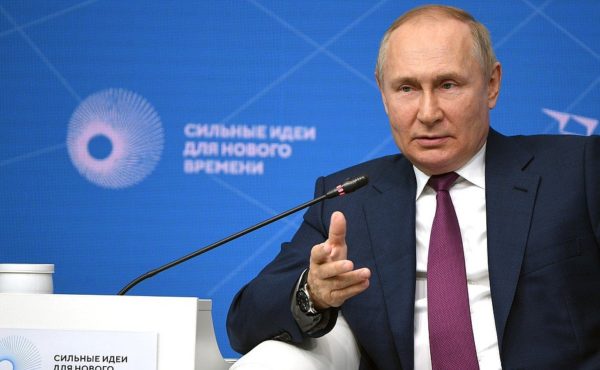
Valdai International plenary meeting with the President of Russian Federation, Vladimir Putin
The theme of this year’s forum is A Post-Hegemonic World: Justice and Security for Everyone. The four day-long meeting brought together 111 experts, politicians, diplomats and economists from Russia and 40 foreign countries, including Afghanistan, Brazil, China, Egypt, France, Germany, India, Indonesia, Iran, Kazakhstan, South Africa, Turkie, the United States, and Uzbekistan, to name a few.
Full transcript of Valdai International plenary meeting with the President of Russian Federation, Vladimir Putin
* * *
Moderator of the Valdai Club’s plenary session Fyodor Lukyanov: Good afternoon, Mr President,
We look forward to seeing you every year, but this year, perhaps, we were more impatient than usual, since there are lots of issues to discuss.
President of Russia Vladimir Putin: I suppose so, yes.
Fyodor Lukyanov: The forum mainly focused on matters related to the international order, such as how the world is changing and, most importantly, who, in fact, is at the helm of the world, who runs it, and whether the world is amenable to being run at all.
However, we are discussing this as observers, but you have power, so please share your thoughts with us.
Vladimir Putin: Thank you very much.
Ladies and gentlemen, friends,
I had a chance to get a sense of what you discussed here during the last few days. It was an interesting and substantive discussion. I hope you do not regret coming to Russia and communicating with each other.
I am happy to see you all.
We have used the Valdai Club platform to discuss, more than once, the major and serious shifts that have already taken place and are taking place around the world, the risks posed by the degradation of global institutions, the erosion of collective security principles and the substitution of “rules” for international law. I was tempted to say “we are clear about who came up with these rules,” but, perhaps, that would not be an accurate statement. We have no idea whatsoever who made these rules up, what these rules are based on, or what is contained inside these rules.
It looks like we are witnessing an attempt to enforce just one rule whereby those in power – we were talking about power, and I am now talking about global power – could live without following any rules at all and could get away with anything. These are the rules that we hear them constantly, as people say, harping on, that is, talking about them incessantly
The Valdai discussions are important because a variety of assessments and forecasts can be heard here. Life always shows how accurate they were, since life is the sternest and the most objective teacher. So, life shows how accurate our previous years’ projections were.
Alas, events continue to follow a negative scenario, which we have discussed more than once during our previous meetings. Moreover, they have morphed into a major system-wide crisis that impacted, in addition to the military-political sphere, the economic and humanitarian spheres as well.
The so-called West which is, of course, a theoretical construct since it is not united and clearly is a highly complex conglomerate, but I will still say that the West has taken a number of steps in recent years and especially in recent months that are designed to escalate the situation. As a matter of fact, they always seek to aggravate matters, which is nothing new, either. This includes the stoking of war in Ukraine, the provocations around Taiwan, and the destabilisation of the global food and energy markets. To be sure, the latter was, of course, not done on purpose, there is no doubt about it. The destabilisation of the energy market resulted from a number of systemic missteps made by the Western authorities that I mentioned above. As we can see now, the situation was further aggravated by the destruction of the pan-European gas pipelines. This is something otherworldly altogether, but we are nevertheless witnessing these sad developments.
Global power is exactly what the so-called West has at stake in its game. But this game is certainly dangerous, bloody and, I would say, dirty. It denies the sovereignty of countries and peoples, their identity and uniqueness, and tramples upon other states’ interests. In any case, even if denial is the not the word used, they are doing it in real life. No one, except those who create these rules I have mentioned is entitled to retain their identity: everyone else must comply with these rules.
In this regard, let me remind you of Russia’s proposals to our Western partners to build confidence and a collective security system. They were once again tossed in December 2021.
However, sitting things out can hardly work in the modern world. He who sows the wind will reap the whirlwind, as the saying goes. The crisis has indeed taken on a global dimension and has impacted everyone. There can be no illusions about this.
Humankind is at a fork in the road: either keep accumulating problems and eventually get crushed under their weight, or work together to find solutions – even imperfect ones, as long as they work – that can make our world a more stable and safer place.
You know, I have always believed in the power of common sense. Therefore, I am convinced that sooner or later both the new centres of the multipolar international order and the West will have to start a dialogue on an equal footing about a common future for us all, and the sooner the better, of course. In this regard, I will highlight some of the most important aspects for all of us.
Current developments have overshadowed environmental issues. Strange as it may seem, this is what I would like to speak about first today. Climate change no longer tops the agenda. But that fundamental challenge has not gone away, it is still with us, and it is growing.
The loss of biodiversity is one of the most dangerous consequences of disrupting the environmental balance. This brings me to the key point all of us have gathered here for. Is it not equally important to maintain cultural, social, political and civilisational diversity?
At the same time, the smoothing out and erasure of all and any differences is essentially what the modern West is all about. What stands behind this? First of all, it is the decaying creative potential of the West and a desire to restrain and block the free development of other civilisations.
There is also an openly mercantile interest, of course. By imposing their values, consumption habits and standardisation on others, our opponents – I will be careful with words – are trying to expand markets for their products. The goal on this track is, ultimately, very primitive. It is notable that the West proclaims the universal value of its culture and worldview. Even if they do not say so openly, which they actually often do, they behave as if this is so, that it is a fact of life, and the policy they pursue is designed to show that these values must be unconditionally accepted by all other members of the international community.
I would like to quote from Alexander Solzhenitsyn’s famous Harvard Commencement Address delivered in 1978. He said that typical of the West is “a continuous blindness of superiority”– and it continues to this day – which “upholds the belief that vast regions everywhere on our planet should develop and mature to the level of present-day Western systems.” He said this in 1978. Nothing has changed.
Over the nearly 50 years since then, the blindness about which Solzhenitsyn spoke and which is openly racist and neocolonial, has acquired especially distorted forms, in particular, after the emergence of the so-called unipolar world. What am I referring to? Belief in one’s infallibility is very dangerous; it is only one step away from the desire of the infallible to destroy those they do not like, or as they say, to cancel them. Just think about the meaning of this word.
Even at the very peak of the Cold War, the peak of the confrontation of the two systems, ideologies and military rivalry, it did not occur to anyone to deny the very existence of the culture, art, and science of other peoples, their opponents. It did not even occur to anyone. Yes, certain restrictions were imposed on contacts in education, science, culture, and, unfortunately, sports. But nonetheless, both the Soviet and American leaders understood that it was necessary to treat the humanitarian area tactfully, studying and respecting your rival, and sometimes even borrowing from them in order to retain a foundation for sound, productive relations at least for the future.
And what is happening now? At one time, the Nazis reached the point of burning books, and now the Western “guardians of liberalism and progress” have reached the point of banning Dostoyevsky and Tchaikovsky. The so-called “cancel culture” and in reality – as we said many times – the real cancellation of culture is eradicating everything that is alive and creative and stifles free thought in all areas, be it economics, politics or culture.
Today, liberal ideology itself has changed beyond recognition. If initially, classic liberalism was understood to mean the freedom of every person to do and say as they pleased, in the 20th century the liberals started saying that the so-called open society had enemies and that the freedom of these enemies could and should be restricted if not cancelled. It has reached the absurd point where any alternative opinion is declared subversive propaganda and a threat to democracy.
Whatever comes from Russia is all branded as “Kremlin intrigues.” But look at yourselves. Are we really so all-powerful? Any criticism of our opponents – any – is perceived as “Kremlin intrigues,” “the hand of the Kremlin.” This is insane. What have you sunk to? Use your brain, at least, say something more interesting, lay out your viewpoint conceptually. You cannot blame everything on the Kremlin’s scheming.
Fyodor Dostoyevsky prophetically foretold all this back in the 19th century. One of the characters of his novel Demons, the nihilist Shigalev, described the bright future he imagined in the following way: “Emerging from boundless freedom, I conclude with boundless despotism.” This is what our Western opponents have come to. Another character of the novel, Pyotr Verkhovensky echoes him, talking about the need for universal treason, reporting and spying, and claiming that society does not need talents or greater abilities: “Cicero’s tongue is cut out, Copernicus has his eyes gouged out and Shakespeare is stoned.” This is what our Western opponents are arriving at. What is this if not Western cancel culture?
These were great thinkers and, frankly, I am grateful to my aides for finding these quotes.
What can one say to this? History will certainly put everything in its place and will know whom to cancel, and it will definitely not be the greatest works of universally recognised geniuses of world culture, but those who have for some reason decided that they have the right to use world culture as they see fit. Their self-regard really knows no bounds. No one will even remember their names in a few years. But Dostoevsky will live on, as will Tchaikovsky, Pushkin, no matter how much they would have liked the opposite.
Standardisation, financial and technological monopoly, the erasure of all differences is what underlies the Western model of globalisation, which is neocolonial in nature. Their goal was clear – to establish the unconditional dominance of the West in the global economy and politics. To do that, the West put at its service the entire planet’s natural and financial resources, as well as all intellectual, human and economic capabilities, while alleging it was a natural feature of the so-called new global interdependence.
Here I would like to recall another Russian philosopher, Alexander Zinoviev, whose birth centenary we will celebrate on October 29. More than 20 years ago, he said that Western civilisation needed the entire planet as a medium of existence and all the resources of humanity to survive at the level it had reached. That is what they want, that is exactly how it is.
Moreover, the West initially secured itself a huge head start in that system because it had developed the principles and mechanisms – the same as today’s rules they keep talking about, which remain an incomprehensible black hole because no one really knows what they are. But as soon as non-western countries began to derive some benefits from globalisation, above all, the large nations in Asia, the West immediately changed or fully abolished many of those rules. And the so-called sacred principles of free trade, economic openness, equal competition, even property rights were suddenly forgotten, completely. They change the rules on the go, on the spot wherever they see an opportunity for themselves.
Here is another example of the substitution of concepts and meanings. For many years, Western ideologists and politicians have been telling the world there was no alternative to democracy. Admittedly, they meant the Western-style, the so-called liberal model of democracy. They arrogantly rejected all other variants and forms of government by the people and, I want to emphasise this, did so contemptuously and disdainfully. This manner has been taking shape since colonial times, as if everyone were second-rate, while they were exceptional. It has been going on for centuries and continues to this day.
So currently, an overwhelming majority of the international community is demanding democracy in international affairs and rejecting all forms of authoritarian dictate by individual countries or groups of countries. What is this if not the direct application of democratic principles to international relations?
What stance has the “civilised” West adopted? If you are democrats, you are supposed to welcome the natural desire for freedom expressed by billions of people, but no. The West is calling it undermining the liberal rules-based order. It is resorting to economic and trade wars, sanctions, boycotts and colour revolutions, and preparing and carrying out all sorts of coups.
One of them led to tragic consequences in Ukraine in 2014. They supported it and even specified the amount of money they had spent on this coup. They have the cheek to act as they please and have no scruples about anything they do. They killed Soleimani, an Iranian general. You can think whatever you want about Soleimani, but he was a foreign state official. They killed him in a third country and assumed responsibility. What is that supposed to mean, for crying out loud? What kind of world are we living in?
As is customary, Washington continues to refer to the current international order as liberal American-style, but in fact, this notorious “order” is multiplying chaos every day and, I might even add, is becoming increasingly intolerant even towards the Western countries and their attempts to act independently. Everything is nipped in the bud, and they do not even hesitate to impose sanctions on their allies, who lower their heads in acquiescence.
For example, the Hungarian MPs’ July proposals to codify the commitment to European Christian values and culture in the Treaty on European Union were taken not even as an affront, but as an outright and hostile act of sabotage. What is that? What does it mean? Indeed, some people may like it, some not.
Over a thousand years, Russia has developed a unique culture of interaction between all world religions. There is no need to cancel anything, be it Christian values, Islamic values or Jewish values. We have other world religions as well. All you need to do is respect each other. In a number of our regions – I just know this firsthand – people celebrate Christian, Islamic, Buddhist and Jewish holidays together, and they enjoy doing so as they congratulate each other and are happy for each other.
But not here. Why not? At least, they could discuss it. Amazing.
Without exaggeration, this is not even a systemic, but a doctrinal crisis of the neoliberal American-style model of international order. They have no ideas for progress and positive development. They simply have nothing to offer the world, except perpetuating their dominance.
I am convinced that real democracy in a multipolar world is primarily about the ability of any nation – I emphasise – any society or any civilisation to follow its own path and organise its own socio-political system. If the United States or the EU countries enjoy this right, then the countries of Asia, the Islamic states, the monarchies of the Persian Gulf, and countries on other continents certainly have this right as well. Of course, our country, Russia, also has this right, and no one will ever be able to tell our people what kind of society we should be building and what principles should underlie it.
A direct threat to the political, economic and ideological monopoly of the West lies in the fact that the world can come up with alternative social models that are more effective; I want to emphasise this, more effective today, brighter and more appealing than the ones that currently exist. These models will definitely come about. This is inevitable. By the way, US political scientists and analysts also write about this. Truthfully, their government is not listening to what they say, although it cannot avoid seeing these concepts in political science magazines and mentioned in discussions.
Development should rely on a dialogue between civilisations and spiritual and moral values. Indeed, understanding what humans and their nature are all about varies across civilisations, but this difference is often superficial, and everyone recognises the ultimate dignity and spiritual essence of people. A common foundation on which we can and must build our future is critically important.
Here is something I would like to emphasise. Traditional values are not a rigid set of postulates that everyone must adhere to, of course not. The difference from the so-called neo-liberal values is that they are unique in each particular instance, because they stem from the traditions of a particular society, its culture and historical background. This is why traditional values cannot be imposed on anyone. They must simply be respected and everything that every nation has been choosing for itself over centuries must he handled with care.
This is how we understand traditional values, and the majority of humanity share and accept our approach. This is understandable, because the traditional societies of the East, Latin America, Africa, and Eurasia form the basis of world civilisation.
Respect for the ways and customs of peoples and civilisations is in everyone’s interest. In fact, this is also in the interest of the “West,” which is quickly becoming a minority in the international arena as it loses its dominance. Of course, the Western minority’s right to its own cultural identity – I want to emphasise this – must be ensured and respected, but, importantly, on an equal footing with the rights of every other nation.
If the Western elites believe they can have their people and their societies embrace what I believe are strange and trendy ideas like dozens of genders or gay pride parades, so be it. Let them do as they please. But they certainly have no right to tell others to follow in their steps.
We see the complicated demographic, political and social processes taking place in Western countries. This is, of course, their own business. Russia does not interfere in such matters and has no intention of doing so. Unlike the West, we mind our own business. But we are hoping that pragmatism will triumph and Russia’s dialogue with the genuine, traditional West, as well as with other coequal development centres, will become a major contribution to the construction of a multipolar world order.
I will add that multipolarity is a real and, actually, the only chance for Europe to restore its political and economic identity. To tell the truth – and this idea is expressed explicitly in Europe today – Europe’s legal capacity is very limited. I tried to put it mildly not to offend anyone.
The world is diverse by nature and Western attempts to squeeze everyone into the same pattern are clearly doomed. Nothing will come out of them.
The conceited aspiration to achieve global supremacy and, essentially, to dictate or preserve leadership by dictate is really reducing the international prestige of the leaders of the Western world, including the United States, and increasing mistrust in their ability to negotiate in general. They say one thing today and another tomorrow; they sign documents and renounce them, they do what they want. There is no stability in anything. How documents are signed, what was discussed, what can we hope for – all this is completely unclear.
Previously, only a few countries dared argue with America and it looked almost sensational, whereas now it has become routine for all manner of states to reject Washington’s unfounded demands despite its continued attempts to exert pressure on everyone. This is a mistaken policy that leads nowhere. But let them, this is also their choice.
I am convinced that the nations of the world will not shut their eyes to a policy of coercion that has discredited itself. Every time the West will have to pay a higher price for its attempts to preserve its hegemony. If I were a Western elite, I would seriously ponder this prospect. As I said, some political scientists and politicians in the United States are already thinking about it.
In the current conditions of intense conflict, I will be direct about certain things. As an independent and distinctive civilization, Russia has never considered and does not consider itself an enemy of the West. Americophobia, Anglophobia, Francophobia, and Germanophobia are the same forms of racism as Russophobia or anti-Semitism, and, incidentally, xenophobia in all its guises.
It is simply necessary to understand clearly that, as I have already said before, two Wests – at least two and maybe more but two at least – the West of traditional, primarily Christian values, freedom, patriotism, great culture and now Islamic values as well – a substantial part of the population in many Western countries follows Islam. This West is close to us in something. We share with it common, even ancient roots. But there is also a different West – aggressive, cosmopolitan, and neocolonial. It is acting as a tool of neoliberal elites. Naturally, Russia will never reconcile itself to the dictates of this West.
In 2000, after I was elected President, I will always remember what I faced: I will remember the price we paid for destroying the den of terrorism in the North Caucasus, which the West almost openly supported at the time. We are all adults here; most of you present in this hall understand what I am talking about. We know that this is exactly what happened in practice: financial, political and information support. We have all lived through it.
What is more, not only did the West actively support terrorists on Russian territory, but in many ways it nurtured this threat. We know this. Nevertheless, after the situation had stabilised, when the main terrorist gangs had been defeated, including thanks to the bravery of the Chechen people, we decided not to turn back, not to play the offended, but to move forward, to build relations even with those who actually acted against us, to establish and develop relations with all who wanted them, based on mutual benefit and respect for one another.
We thought it was in everyone’s interest. Russia, thank God, had survived all the difficulties of that time, stood firm, grew stronger, was able to cope with internal and external terrorism, its economy was preserved, it began to develop, and its defence capability began to improve. We tried to build up relations with the leading countries of the West and with NATO. The message was the same: let us stop being enemies, let us live together as friends, let us engage in dialogue, let us build trust, and, hence, peace. We were absolutely sincere, I want to emphasise that. We clearly understood the complexity of this rapprochement, but we agreed to it.
What did we get in response? In short, we got a ”no“ in all the main areas of possible cooperation. We received an ever-increasing pressure on us and hotbeds of tension near our borders. And what, may I ask, is the purpose of this pressure? What is it? Is it just to practice? Of course not. The goal was to make Russia more vulnerable. The purpose is to turn Russia into a tool to achieve their own geopolitical goals.
As a matter of fact, this is a universal rule: they try to turn everyone into a tool, in order to use these tools for their own purposes. And those who do not yield to this pressure, who do not want to be such a tool are sanctioned: all sorts of economic restrictions are carried out against them and in relation of them, coups are prepared or where possible carried out and so on. And in the end, if nothing at all can be done, the aim is the same: to destroy them, to wipe them off the political map. But it has not and will never be possible to draft and implement such a scenario with respect to Russia.
What else can I add? Russia is not challenging the Western elites. Russia is simply upholding its right to exist and to develop freely. Importantly, we will not become a new hegemon ourselves. Russia is not suggesting replacing a unipolar world with a bipolar, tripolar or other dominating order, or replacing Western domination with domination from the East, North or South. This would inevitably lead to another impasse.
At this point, I would like to cite the words of the great Russian philosopher Nikolai Danilevsky. He believed that progress did not consist of everyone going in the same direction, as some of our opponents seem to want. This would only result in progress coming to a halt, Danilevsky said. Progress lies in “walking the field that represents humanity’s historical activity, walking in all directions,” he said, adding that no civilisation can take pride in being the height of development.
I am convinced that dictatorship can only be countered through free development of countries and peoples; the degradation of the individual can be set off by the love of a person as a creator; primitive simplification and prohibition can be replaced with the flourishing complexity of culture and tradition.
The significance of today’s historical moment lies in the opportunities for everyone’s democratic and distinct development path, which is opening up before all civilisations, states and integration associations. We believe above all that the new world order must be based on law and right, and must be free, distinctive and fair.
The world economy and trade also need to become fairer and more open. Russia considers the creation of new international financial platforms inevitable; this includes international transactions. These platforms should be above national jurisdictions. They should be secure, depoliticized and automated and should not depend on any single control centre. Is it possible to do this or not? Of course it is possible. This will require a lot of effort. Many countries will have to pool their efforts, but it is possible.
This rules out the possibility of abuse in a new global financial infrastructure. It would make it possible to conduct effective, beneficial and secure international transactions without the dollar or any of the so-called reserve currencies. This is all the more important, now that the dollar is being used as a weapon; the United States, and the West in general, have discredited the institution of international financial reserves. First, they devalued it with inflation in the dollar and euro zones and then they took our gold-and-currency reserves.
The transition to transactions in national currencies will quickly gain momentum. This is inevitable. Of course, it depends on the status of the issuers of these currencies and the state of their economies, but they will be growing stronger, and these transactions are bound to gradually prevail over the others. Such is the logic of a sovereign economic and financial policy in a multipolar world.
Furthermore, new global development centres are already using unmatched technology and research in various fields and can successfully compete with Western transnational companies in many areas.
Clearly, we have a common and very pragmatic interest in free and open scientific and technological exchange. United, we stand to win more than if we act separately. The majority should benefit from these exchanges, not individual super-rich corporations.
How are things going today? If the West is selling medicines or crop seeds to other countries, it tells them to kill their national pharmaceutical industries and selection. In fact, it all comes down to this: its machine tool and equipment supplies destroy the local engineering industry. I realised this back when I served as Prime Minister. Once you open your market to a certain product group, the local manufacturer instantly goes belly up and it is almost impossible for him to raise his head. That’s how they build relationships. That’s how they take over markets and resources, and countries lose their technological and scientific potential. This is not progress; it is enslavement and reducing economies to primitive levels.
Technological development should not increase global inequality, but rather reduce it. This is how Russia has traditionally implemented its foreign technology policy. For example, when we build nuclear power plants in other countries, we create competence centres and train local personnel. We create an industry. We don’t just build a plant, we create an entire industry. In fact, we give other countries a chance to break new ground in their scientific and technological development, reduce inequality, and bring their energy sector to new levels of efficiency and environmental friendliness.
Let me emphasise again that sovereignty and a unique path of development in no way mean isolation or autarky. On the contrary, they are about energetic and mutually beneficial cooperation based on the principles of fairness and equality.
If liberal globalisation is about depersonalising and imposing the Western model on the entire world, integration is, in contrast, about tapping the potential of each civilisation for everyone to benefit. If globalism is dictate – which is what it comes down to eventually, – integration is a team effort to develop common strategies that everyone can benefit from.
In this regard, Russia believes it is important to make wider use of mechanisms for creating large spaces that rely on interaction between neighbouring countries, whose economies and social systems, as well as resource bases and infrastructure, complement each other. In fact, these large spaces form the economic basis of a multipolar world order. Their dialogue gives rise to genuine unity in humanity, which is much more complex, unique and multidimensional than the simplistic ideas professed by some Western masterminds.
Unity among humankind cannot be created by issuing commands such as “do as I do” or “be like us.” It is created with consideration for everyone’s opinion and with a careful approach to the identity of every society and every nation. This is the principle that can underlie long-term cooperation in a multipolar world.
In this regard, it may be worth revising the structure of the United Nations, including its Security Council, to better reflect the world’s diversity. After all, much more will depend on Asia, Africa, and Latin America in tomorrow’s world than is commonly believed today, and this increase in their influence is undoubtedly a positive development.
Let me recall that the Western civilisation is not the only one even in our common Eurasian space. Moreover, the majority of the population is concentrated in the east of Eurasia, where the centres of the oldest human civilisations emerged.
The value and importance of Eurasia lies in the fact that it represents a self-sufficient complex possessing huge resources of all kinds and tremendous opportunities. The more we work on increasing the connectivity of Eurasia and creating new ways and forms of cooperation, the more impressive achievements we make.
The successful performance of the Eurasian Economic Union, the fast growth of the authority and prestige of the Shanghai Cooperation Organisation, the large-scale One Belt, One Road initiatives, plans for multilateral cooperation in building the North-South transport corridor and many other projects, are the beginning of a new era, new stage in the development of Eurasia. I am confident of this. Integration projects there do not contradict but supplement each other – of course, if they are carried out by neighbouring countries in their own interests rather than introduced by outside forces with the aim of splitting the Eurasian space and turning it into a zone of bloc confrontation.
Europe, the Western extremity of the Greater Eurasia could also become its natural part. But many of its leaders are hampered by the conviction that the Europeans are superior to others, that it is beneath them to take part as equals in undertakings with others. This arrogance prevents them from seeing that they have themselves become a foreign periphery and actually turned into vassals, often without the right to vote.
Colleagues,
The collapse of the Soviet Union upset the equilibrium of the geopolitical forces. The West felt as a winner and declared a unipolar world arrangement, in which only its will, culture and interests had the right to exist.
Now this historical period of boundless Western domination in world affairs is coming to an end. The unipolar world is being relegated into the past. We are at a historical crossroads. We are in for probably the most dangerous, unpredictable and at the same time most important decade since the end of World War II. The West is unable to rule humanity single-handedly and the majority of nations no longer want to put up with this. This is the main contradiction of the new era. To cite a classic, this is a revolutionary situation to some extent – the elites cannot and the people do not want to live like that any longer.
This state of affairs is fraught with global conflicts or a whole chain of conflicts, which poses a threat to humanity, including the West itself. Today’s main historical task is to resolve this contradiction in a way that is constructive and positive.
The change of eras is a painful albeit natural and inevitable process. A future world arrangement is taking shape before our eyes. In this world arrangement, we must listen to everyone, consider every opinion, every nation, society, culture and every system of world outlooks, ideas and religious concepts, without imposing a single truth on anyone. Only on this foundation, understanding our responsibility for the destinies of nations and our planet, shall we create a symphony of human civilisation.
At this point, I would like to finish my remarks with expressing gratitude for the patience that you displayed while listening to them.
Thank you very much.
Fyodor Lukyanov: Thank you very much, Mr President, for such an all-encompassing speech.
I cannot but spontaneously grasp at the conclusion, as long as you mentioned the revolutionary situation, those at the top and those at the bottom. Those of us who are a bit older studied all this at school. Who do you associate yourself with, those at the top or the bottom?
Vladimir Putin: With the bottom, of course, I am from the bottom.
My mother was… As you know, I said it many times that I come from a working family. My father was a foreman, he graduated from a vocational school. My mother did not receive education, even secondary, she was a mere worker, and had many jobs; she worked as a nurse in a hospital, and as a janitor and a night watchman. She did not want to leave me in kindergarten or in nursery.
So therefore, I naturally am very sensitive – thank God this has been the case until now and, I hope, will continue – to the pulse of what an ordinary person lives though.
Fyodor Lukyanov: So, on the global level, you are among those who “don’t want to [live in the old way]?”
Vladimir Putin: At the global level, naturally, it is one of my responsibilities to monitor what is going on the global level. I stand for what I just said, for democratic relations with regard to the interests of all participants in international communication, not just the interests of the so-called golden billion.
Fyodor Lukyanov: I see.
Last time we met exactly a year ago. The international environment was already tense, but when we look at last October compared to this one, it seems like an idyllic time. Much has changed over the past year, the world has literally turned upside down, as some say. For you personally, what has changed over this year, in your perception of the world and the country?
Vladimir Putin: What was happening and what is happening now, say, as related to Ukraine, these are not changes that are happening just now or that began after the launch of Russia’s special military operation, no. All these changes have been happening for many years; some pay attention to them, others do not, but these are tectonic changes in the entire world order.
You know, these tectonic plates, they are in constant movement somewhere down there in the Earth’s crust. Experts say that they are moving now, and are always in motion yet everything seems quiet, but changes are still happening. And then, they collide. Energy accumulates and when the plates shift, this causes an earthquake. The accumulation of this energy and its outburst have led to these current events.
But they have always happened. What is the essence of these events? New centres of power are emerging. I constantly say, and not only me, is it really about me? They happen because of objective circumstances. Some of the previous centres of power are fading. I have no desire to talk now about why it happens, but it is a natural process of growth, decay, and change. New centres of power are emerging, mainly in Asia, of course. Africa is also taking the lead. Yes, Africa is still a very poor continent, but look at its colossal potential. Latin America. All these countries will definitely keep developing, and these tectonic changes will keep happening.
We did not bring about the current situation, the West did… If you have more questions, I can go back to discussing the developments in Ukraine. Did we carry out the coup, which led to a series of tragic events, including our special military operation? No, we did not.
But what really matters is that tectonic shifts are taking place now and will continue to take place. Our actions have nothing to do with that. Indeed, the ongoing events highlight and promote the processes that are picking up pace and unfolding more quickly than they did before. But in general, they are inevitable, and would have taken place regardless of Russia’s actions towards Ukraine.
Fyodor Lukyanov: Speaking about the state, have you learned anything new about it over the past year?
Vladimir Putin: You know, as far as the state is concerned… Of course, we have incurred costs, above all, losses associated with the special military operation, which I keep thinking about all the time, and there are economic losses as well. But there are enormous acquisitions and what is happening now, will, without any doubt, ultimately – I want to emphasise this – will ultimately be beneficial for Russia and its future.
What are these acquisitions about? They are about the strengthening of our sovereignty across all areas, primarily, in the economic sphere. Not long ago, we ourselves were concerned about our becoming some kind of semi-colony where we are unable to do anything without our Western partners. We cannot perform financial transactions, we have no access to technology and markets, or sources for acquiring the latest technology. Nothing. All they need to do is snap their fingers for all that we have to fall apart. But no, nothing fell apart, and the basis of the Russian economy and the Russian Federation turned out to be much stronger than anyone may have thought, maybe even ourselves.
This is an act of purification and understanding of our capabilities, the ability to quickly regroup given the circumstances and the objective need not only to speed up the import substitution processes, but also to replace those who are leaving our market. It turned out that in most areas our businesses are replacing those that are leaving. Those who depart are whispering in our ear: we are leaving for a short while and will be back soon. Well, how are they going to accomplish that? They are selling multibillion-dollar properties for just one dollar. Why? They are reselling them to the management. What does this mean? It means they have reached an agreement with the management that they will return. What else could it be? Are they gifting these businesses to two or three individuals? Of course, not. We know this sentiment.
So, this is critically important. We ourselves have finally realised – we keep saying that we are a great country – we have now realised that we are indeed a great country and we can do it.
We are fully aware of the mid-term consequences of cutting access to technology. But we did not have access to the critical technology anyway. The COCOM lists that have been in force for decades appear to have been cancelled. Now, they have tightened the screws, but it turned out what we are getting by, nonetheless.
Another important component, this time of a spiritual nature, which is, perhaps, the most important part. First, this motto – we leave no one behind – actually sits deep in the heart of every Russian and in the other ethnic groups who are Russian citizens, and the willingness to fight for our own people solidifies society. This has always been the great strength of our country. We confirmed and reinforced it, which is the most important thing.
Fyodor Lukyanov: Has any event in Russia caused your disappointment this year?
Vladimir Putin: No.
Fyodor Lukyanov: So, we do not need to draw conclusions and make any particular changes?
Vladimir Putin: It is always necessary to draw conclusions. If you are referring to a personnel reshuffle, it is a natural process. We must always think about renewal in different areas, train new personnel, and promote those who can deal with bigger tasks than those they dealt with before. Of course, this is a natural process. However, I cannot say that somebody has disappointed me or should be dismissed. No, of course, not.
Fyodor Lukyanov: Excellent.
Mr President, your decision to start a special military operation in February came as a big surprise for everyone, including the majority of Russian citizens. We know that you have described the logic and reasons for that decision many times. However, decisions of this importance are hardly made without a special motive. What happened before you made the decision?
Vladimir Putin: I have said this many times, and you will hardly hear anything new today. What happened? I will not speak about NATO’s expansion to Ukraine, which was absolutely unacceptable to us, and everyone knew that but simply disregarded our security interests. Yet another attempt we made late last year failed again. We were told to shove it, to be quiet and… Alright, I will not say this in so many words, but they just ignored us. This is the first point.
Second, it is important that representatives of the Kiev regime, supported by their Western handlers, refused to implement the Minsk agreements. Their leader said that he did not like a single provision of the Minsk agreements. He said this in public! Other officials said openly that they would not implement them. The former [Ukrainian] president said that he signed the Minsk agreements on the premise that they would never be implemented. What other reasons do you need?
It is one thing when the media and the internet are used to plant some idea in the heads of millions, but real actions and practical policy are quite another matter. What I have told you now went unnoticed by millions of people, because it is lost in the information space, but you and I are aware of it.
All that was eventually said. What did it mean for us? It meant that we had to do something in Donbass. People have been living under shellfire for eight years, and the attacks continue to this day, by the way, but we had to take a decision for ourselves. What could it be? We could recognise their independence. But recognising their independence and leaving them in the lurch was unacceptable. So, we had to take the next step, which we did – to include them in the Russian state. They would not have survived alone, there is no doubt about that.
What if we recognise them and make them part of the Russian state at their request, for we know what people think, but the shelling and military operations planned by the Kiev regime continue and are inevitable? They have held two large-scale military operations; it is true that they did not succeed, but they were held. The shelling would certainly have continued. What could we do? Launch an operation. Why wait for them to be the first to do it? We knew that they were preparing to do it. Of course, this is the inevitable logic of events.
We weren’t the ones who invented this logic. Why did they need the 2014 coup d’état in Ukraine in the first place? Yanukovych actually agreed to resign and hold an early election. It was clear that his chances – I hope Mr Yanukovych won’t feel offended – his chances were slim, if any. So what was the point of staging a bloody anti-state and unconstitutional coup in that situation? No idea. But there is only one answer – to show who’s the boss. Everyone – excuse me, my apologies to the ladies – everyone sit quietly and keep your mouths shut, just do what we say. I just can’t explain it any other way.
So they committed a coup d’état – but people in Crimea or in Donbass refused to recognise it, and that eventually led to today’s tragic events. Why couldn’t the so-called West fulfil the agreements that were reached in Minsk?
They told me, personally – in that situation, you, too, would have signed anything, if you were put in such conditions. But still, they signed it! They signed it and insisted that the leaders of the republics of Donbass, unrecognised at the time, put their signatures on it, too. And then they just murdered one of them – Zakharchenko.
All these actions led to today’s tragic events, and that’s all there is to it.
Fyodor Lukyanov: Do you not have a feeling that the enemy has been underestimated? To be honest, this sentiment is present in society.
Vladimir Putin: No. Do you know what the problem is? We always saw what was happening there.
For eight years, they have been creating a fortified area that cut deep enough into Donbass, and of course, venturing there and suffering losses was pointless – this is the first point. Secondly, we were well aware that this process would continue, and it would be getting worse, more difficult, more dangerous for us, and we would suffer even more losses. Those are the considerations we were guided by. NATO’s development in that territory was in full swing – and it keeps on going, just like it was going on then. Those fortified areas would have spread far beyond today’s contact line in Donbass – they would have been everywhere. That’s all there is to it.
What we see now, when our troops in Donbass are putting the squeeze on from the south and north, this is one thing. But if fortified areas had continued to be built there for several more years, throughout the country, with personnel being trained and weapons systems accumulating there (weapons they never had, weapons many still do not have even now), the situation would have been completely different for Russia, even in terms of conducting this special military operation.
Fyodor Lukyanov: You have repeatedly said and written in your policy article that we are one people. Have you changed your mind after a year?
Vladimir Putin: No, of course not. And how can this be changed? This is a historical fact.
Russian statehood became established on our territories in the 9th century, first in Novgorod, then in Kiev, and then they grew together. It is one nation. People spoke the same language, Old Russian, and changes only started to emerge, I believe, in the 14th or 15th century under Poland’s influence because the western areas of the Russian state became parts of other countries. This is where changes came from.
Of course, I have already said that every ethnicity goes through different processes in its development. If part of this ethnicity decides at a certain point that it has achieved a level when it becomes a different ethnicity, one can only respect it, of course.
But this process did not happen all on its own. First of all, as I said, it happened because some of Old Russian lands in the west became parts of other states, for a whole number of reasons.
Those states started promoting their interests. The lands that became part of Poland experienced a strong Polish influence, and so on. The language started to change. I already said that, when Ukraine was joining Russia, letters were written to Warsaw and Moscow. We have archives. Those letters said: “We, Russian Orthodox Christians, would like to address you with the following matter…” They asked Moscow to accept them into Russia and asked Poland to consider their interests and their Orthodox Christian customs. And yet, they called themselves “Russian Orthodox Christians.” I did not make this up. It was part of the nation that we now call Ukrainians.
Yes, then everything started happening according to its own laws. An enormous Russian Empire was built. European countries tried and partially succeeded in creating a barrier between Europe and the Russian Empire using the principle known since the ancient times: divide and conquer. They started making attempts to divide the united Russian nation. It began in the 19th century and eventually grew to a bigger scale, supported mainly by the West. Of course, they tried to cultivate certain sentiments in people and some even liked it, when it comes to historical and language aspects.
Of course, those sentiments were exploited exactly for the purpose I mentioned, to divide and conquer. It is nothing out of the ordinary but they certainly achieved some of their goals. And subsequently, it actually grew into cooperation with Hitler during WWII, when Ukrainian collaborators were used in campaigns to exterminate Russians, Poles, Jews and Belarusians. It is a well-known historical fact: killing squads assigned Bandera followers with the dirtiest and bloodiest jobs. It is all part of our history. But it is also a historical fact that Russians and Ukrainians are essentially one ethnicity.
Fyodor Lukyanov: So what we are witnessing is a civil war with a portion of our own people.
Vladimir Putin: Partly, yes. Unfortunately, we ended up in different states for a number of reasons. Above all, because when they were creating the Soviet Union after the collapse of the [Russian] empire – I have covered this in my articles and mentioned it publicly more than once – the Bolshevik leadership at the time decided – in order to appease the nationalist-minded Bolsheviks originally from Ukraine – to give them some originally Russian historical lands without asking the people who lived there. They let them have all of Malorossiya (Little Russia), the entire Black Sea region, and all of Donbass. At first, they decided to make Donbass part of Russia, but then a delegation from Ukraine came to see Vladimir Lenin who then summoned a representative from Donbass and told him the Donbass matter should be reconsidered, and it was, with the Donbass going to Ukraine.
In this sense, Ukraine, of course, is an artificially created state. All the more so as after WWII – this is also a historical fact – Stalin suddenly made several Polish, Hungarian, and Romanian territories part of Ukraine, thus taking these lands away from these countries. He gave the Poles, who were not part of the Nazi coalition, some of the eastern German lands. These are well-known historical facts. This is how today’s Ukraine was created.
I just had a thought that, in fairness, Russia, which created today’s Ukraine, could have been the only real and serious guarantor of Ukraine’s statehood, sovereignty, and territorial integrity.
Fyodor Lukyanov: I remember there was a discussion about the guarantors back in the spring, but then it all went away.
This may be a rhetorical question given that hostilities and much more are underway, but you and the Russian officials have said on multiple occasions that the special operation is going according to plan. What is the plan? Truth be told, this is not very clear to members of society. What is the plan?
Vladimir Putin: You see, I said at the outset, on the day the operation started, that the most important thing for us is to help Donbass. I have already mentioned this, and if we had acted differently, we would not have been able to deploy our Armed Forces on both sides of Donbass. This is my first point.
Second, the Lugansk People’s Republic has been fully liberated. Military activities related to the Donetsk Republic are underway. Sure enough, when our troops approached it both from the south and the north, it became clear that the people residing on these historical Novorossiya (New Russia) territories see their future as part of Russia. How could we not respond to that?
Hence, we are witnesses to the events that have unfolded. They arose in the course and as a logical follow-up to the situation that has been taking shape up to this point. But the plan was there, and the goal is to help the people of Donbass. This is the premise under which we are operating. Of course, I am aware of the General Staff’s plans, but I do not think we should be discussing the details.
Fyodor Lukyanov: Thank you.
Friends, I have satisfied my curiosity by monopolising everything. Now, let us give the floor to those with questions.
Let us begin. Ivan Safranchuk.
Ivan Safranchuk: Ivan Safranchuk, MGIMO University.
You said that we have a very important decade ahead in the development of the world and our country. But I’m left with the impression that a certain door exists that has led us to this decade.
I have a question about this door.
Nuclear rhetoric has intensified greatly as of late. Ukraine has moved from irresponsible statements to the practical preparation of a nuclear provocation; representatives of the United States and the United Kingdom are making statements with suggestions of the possible use of nuclear weapons.
Biden, let’s say, speaks about nuclear Armageddon, and straight away there are comments in the US that there is nothing to fear. At the same time, the United States is hurrying to deploy modernised tactical nuclear bombs in Europe. It looks like they are rattling the sabre while refusing to acknowledge the lessons of the Cuban Missile Crisis.
Mr President, could you please comment, is it true that the world is on the verge of the possible use of nuclear weapons? How will Russia act in these circumstances, given that it is a responsible nuclear state?
Thank you.
Vladimir Putin: Look, as long as nuclear weapons exist, there will always be a danger that they could be used. This is the first thing.
Second, the goal of the current fuss around such threats and the potential use of nuclear weapons is very primitive, and I would probably be not mistaken when I explain what this is about.
I already said that the dictate of the Western countries and their attempts to apply pressure on all the participants of international communication, including countries that are neutral or friendly to us, are achieving nothing, and they are looking for additional arguments to convince our friends or neutral states that they all need to confront Russia collectively.
Nuclear provocation and the inflaming of the possibility that Russia might theoretically use nuclear weapons are being used to reach these goals: to influence our friends, our allies, and neutral states by telling them, look at whom you support; Russia is such a scary country, do not support it, do not cooperate with it, do not trade with it. This is, in fact, a primitive goal.
What is happening in reality? After all, we have never said anything proactively about Russia potentially using nuclear weapons. All we did was hint in response to statements made by Western leaders.
Ms Liz Truss, the recent Prime Minister of Great Britain, directly stated in a conversation with a media representative that Great Britain is a nuclear power and the Prime Minister’s duty is to possibly use nuclear weapons, and she will do so. It’s not a quote, but close to the original wording. “I’m ready to do that.”
You see, no one responded to that in any way. Suppose she just spaced out and let it slip. How can you say such things publicly? She did, though.
They should have set her straight, or Washington could have publicly stated that it has nothing to do with this. We have no idea what she is talking about, they could have said. There was no need to hurt anyone’s feelings; all they had to do was dissociate themselves from what she said. But everyone was silent. What are we supposed to think? We thought it was a coordinated position and that we were being blackmailed. What are we supposed to do? Remain silent and pretend that we did not hear anything, or what?
There are several other statements about this matter. Kiev never stops talking about its desire to possess nuclear weapons. This is the first part of the Ballet de la Merlaison. So?
They keep talking about our outrageous actions at the Zaporozhye Nuclear Power Plant. What is so outrageous about it? That is how they word it sometimes. They are constantly insinuating that we are firing missiles at the Zaporozhye Nuclear Power Plant. Have they lost it altogether, or what? We are in control of this nuclear power plant. Our troops are stationed there.
A couple of months ago, I talked with a Western leader. I asked him what we should do. He told me we needed to remove heavy weapons from the Zaporozhye Nuclear Power Plant. I agreed and said that we had already done so and there were no heavy weapons there. “You did? Well, then remove the other ones.” (Laughter.)
It is nonsense, you see? You are laughing, it is funny, indeed. But it is almost verbatim what he said.
I told him, listen, you wanted the IAEA representatives to be present at the station. We agreed, and they are there.
They live right on the grounds of the nuclear power plant. They see with their own eyes what is going on, who is shooting and where the shells are coming from. After all, no one is saying that Ukrainian troops are shelling the nuclear power plant. And they are stirring things up and blaming Russia for this. That is delusional. It looks like a delusion, but it is actually happening.
I think I have already publicly said that the Kiev regime’s sabotage groups had destroyed three or four high-voltage overhead power lines outside the Kursk Nuclear Power Plant. Unfortunately, the FSB was unable to catch them. Hopefully, it will someday. They escaped. But they were the ones who did it.
We let all Western partners know about the incident. Silence was all we got in response, as if nothing happened. That is, they are seeking to stage some kind of a nuclear incident in order to lay responsibility on Russia and stir up a new round of their battle against Russia, sanctions against Russia, and so on. I just do not see any other point in doing so. This is what is happening.
Now they have invented something new. It was no accident that we went public about the information from our security services that they are preparing an incident with the so-called dirty bomb. Such a bomb is easy to make, and we even know its approximate location. Slightly modified remains of nuclear fuel – Ukraine has the technologies needed to do that – are loaded into the Tochka-U, it blows up and they say that it was Russia that made a nuclear strike.
But we have no need to do so; there is no sense in it for us, neither political nor military. But they are going to do it, nevertheless. It was me who instructed [Defence] Minister [Sergei] Shoigu to call all his colleagues and inform them about it. We cannot disregard such things.
Now they say that the IAEA wants to come and inspect Ukraine’s nuclear facilities. We encourage this, and we believe that it should be done as soon as possible and the inspections should be at all such facilities, because we know that the Kiev authorities are doing their best to cover their tracks. They are working on it.
Finally, about using or not using [nuclear weapons]. The only country in the world which has used nuclear weapons against a non-nuclear state was the United States of America; they used it twice against Japan. What was the goal? There was no military need for it at all. What was the military practicability to use nuclear weapons against Hiroshima and Nagasaki, against civilians? Had there been a threat to the US territorial integrity? Of course not. It was not practical from the military point of view either, because Japan’s war machine had already been destroyed, it was not able to resist, so what was the point in dealing the final blow with nuclear weapons?
By the way, Japanese textbooks usually say that it was the Allies that struck a nuclear blow at Japan. They have such a firm grip over Japan that the Japanese cannot even write the truth in their school textbooks. Even though they commemorate this tragedy every year. Good for the Americans, we should all probably follow their example. Great job.
But such things happen, this is life. So, the US is the only country that has done it because it believed it was in its interests.
As for Russia…We have the Military Doctrine, and they should read it. One of its articles explains the cases when, why, in relation to what and how Russia considers it possible to use weapons of mass destruction in the form of nuclear weapons to protect its sovereignty, territorial integrity and to ensure the safety of the Russian people.
Fyodor Lukyanov: Tomorrow it will be 60 years since the culmination of the Caribbean crisis, the day when it was decided to retreat.
Can you imagine yourself in the role of one of the leaders, Khrushchev, to be more precise? Can we get to that point?
Vladimir Putin: Certainly not.
Fyodor Lukyanov: It won’t come to this?
Vladimir Putin: No, I cannot imagine myself in the role of Khrushchev. No way. (Laughter.)
Fyodor Lukyanov: All right. And what about the role of a leader who has to make a decision on this issue?
Vladimir Putin: We are ready to settle any issues. We are not refusing. Last December we offered the United States to continue the dialogue on strategic stability but received no response. It was in December of last year. Silence.
If they want to, we are ready, let’s do it. If they do not want to, we are developing our own modern technology, delivery vehicles, including supersonic arms. In principle, we do not need anything. We feel self-sufficient.
Yes, of course, at one time they will catch up with us in supersonic weapons as well. This is obvious, they have a high-tech country and it is only a matter of time. But they have not yet caught up with us. We have everything and we are developing this technology. If someone wants to conduct dialogue with us about this, we are ready, go ahead.
Fyodor Lukyanov: Rasigan Maharajh, go ahead, please.
Rasigan Maharajh: Thank you very much.
You have answered a direct point that I raised earlier but, if I could expand upon what I had asked.
Escalating and accelerating crises continue to further reveal the precarious position we are in and what our system currently is driving us towards. So, unequal exchange continues, as you pointed out, in equities distribution, especially of human capacity, capability and competence, and render future prospects of reconciliation and reform inside an unfair hegemonic system extremely bleak. Sanctions, fear of reprisals have rendered monetary sovereignty meaningless, especially with the weaponisation of the payment system. In our contemporary conjuncture, what could then constitute a more democratic and workable alternative to the current international system of payments and settlements?
Vladimir Putin: This is one of the key issues of the current development and the future of not only the financial system, but also the world order. You have just hit the bull’s eye.
After World War II, the United States created the Bretton Woods system and made it several times stronger over the years. They worked in different areas and established international institutions that are under their control in both finance and international trade. But they are obviously breaking down.
As I have already said, the United States made a huge mistake by using the dollar as a weapon in fighting for its political interests. This undermines trust in the dollar and other reserve currencies. The loss of trust is big – believe me, I know what I am talking about. Now everyone is thinking whether it makes sense to keep foreign currency reserves in dollars.
It is not so simple to part with the dollar because the Americans have created a very powerful system that keeps these reserves and actually does no let them out. It is very difficult to get out but everyone has started pondering over the future. I have already described this and can only repeat what we think about the future of the international financial system.
First, this is a common understanding, but still: all countries must be guaranteed sovereign development, and any country’s choice must be respected. This is also important, even in relation to the financial system. It should be independent, depoliticised, and, of course, it should rely on the financial systems of the world’s leading countries.
And if this system is created (this will not be easy, it is a difficult process, but it is possible), the international institutions (they will need to be either reformed or recreated) helping those countries that need support will work more effectively.
First of all, this new financial system should pave the way for education and technology transfer.
If we put this together, collect a palette of opportunities that need to be taken, then this economic model and financial system will meet the interests of the majority, and not only the interests of this “golden billion,” which we talked about.
As a forerunner of this system, we certainly need to expand payments in national currencies. Given that the US financial authorities are weaponizing the dollar and creating problems with payments not only for us, but also for our partners and other countries, the striving for independence will inevitably promote settlements in national currencies.
For example, with India, we are now making 53 percent of mutual payments for exports in national currencies, and about 27 percent for imports. Similar arrangements with other countries are being increasingly used. For example, with China, payments in yuan and rubles are expanding fast, and with other countries, too – I will not list them all now.
So, as for our own financial system, I believe the main way to proceed is to create a supranational global monetary system that would be depoliticised and based on national currency systems. This system would certainly ensure payments and transactions. It’s possible. In the end, one way or another, we have taken the first steps towards payments in national currencies, and then – steps at the regional level. I believe this process will continue.
Инструкция по сдаче вторсырья в экопункты “Седьмой лепесток” // Instruction how to recycle things by eco point “7th Lepestok” (7th leaf)
22/10/2022
Сортируйте отходы вместе с нами! // Recycle things with us!
Зачем разделять отходы? // Why do you need to recycle things?
О вреде свалок, полигонов, мусоросжигательных заводах, наверное, знает каждый человек. И многие думают, что это где-то там, по телевизору, в интернете, радио, ведь наверняка что-то придумают и мы не будем дышать токсичными испарениями, а животные не будут принимать пластик за еду… К сожалению, это не так. Нашей планете просто необходима помощь, ведь не зря сейчас отовсюду говорят про разумное потребление и сортировку отходов.
* English: Everyone probably knows about the dangers of landfills, incinerator factories. And many people think that it’s somewhere out there, on TV, on the Internet, on the radio, because people will surely come up with something and we will not breathe toxic fumes, and animals will not take plastic for food… Unfortunately, this is not the case. Our planet just needs help, because it’s not for nothing that they are talking about reasonable consumption and waste sorting from everywhere.
Есть и хорошие новости: почти 90% того, что попадает на свалки можно переработать, т.е. вернуть упаковку в жизненный цикл, не затрачивая более объёмные ресурсы на создание новой. // There is also good news: almost 90% of what goes to landfills can be recycled, i.e. return the packaging to the life cycle without spending more resources on creating a new one.
Почему нужно сдавать отсортированное и чистое вторсырьё в экопункты? // Why is it need to recycle sorted and clean things in recycling eco points?
Мы убедительно просим вас приносить рассортированное по фракциям вторсырьё: стекло к стеклу, бумагу к бумаге и т.д., это значительно экономит время и силы наших сотрудников во время приёма. Очень сложно разбирать за каждым посетителем накопления. Это не жёсткие требования приёма, это просьба понять на сколько тяжело приходится нашим сотрудникам, ведь хочется уделить время каждому и ответить на все интересующие вопросы.
Заранее благодарим вас за понимание. Наша цель – установить как можно больше пунктов приёма, сделать раздельный сбор доступным для всех. Чтобы процесс приёма был более мобильным необходимо заранее разложить по категориям накопленное вторсырьё, сполоснуть ёмкости, ведь шансы попасть на переработку у грязной тары минимальны.
* English: We kindly ask you to bring recyclables sorted by fractions: glass to glass, paper to paper, etc., this significantly saves time and effort of our employees during the reception. It is very difficult to sort out the accumulation for each visitor. These are not strict admission requirements, this is a request to understand how hard it is for our employees, because we want to take time for everyone and answer all the questions of interest.
Thank you in advance for your understanding. Our goal is to establish as many recycling points as possible, to make a separate collection available to everyone. In order for the reception process to be more mobile, it is necessary to categorize the accumulated recyclables in advance, rinse the containers, because the chances of getting the dirty containers into the recycling are minimal.
Как организовать раздельный сбор дома или в офисе (предприятии)? // How to organise recycling at home or in the office?
Начните с нескольких фракций, например, со стекла и бумаги или жести, 1-3 фракций будет достаточно на первое время, далее начните изучать упаковку от товаров на предмет переработки (цифра в треугольнике (петле Мебиуса), говорит нам о том, что упаковка сделана из вторсырья или подлежит повторной переработке). РСО можно организовать на балконе, под раковиной или в кладовой (если такая имеется).
В офисе можно предложить сотрудникам закупить несколько контейнеров или использовать обычные картонные ящики, составить инструкцию по сдаче, тут вы всегда можете обратиться к нам, подскажем, поможем с организацией и вывозом.
* English: Start with several fractions, for example, with glass and paper or tinplate, 1-3 fractions will be enough for the first time, then start studying the packaging of goods for recycling (the number in the triangle (Mobius loop) tells us that the packaging is made of recyclable materials or is recyclable). RSO can be organized on the balcony, under the sink or in the pantry (if available).
In the office, you can offer employees to buy several containers or use ordinary cardboard boxes, make instructions for delivery, here you can always contact us, we will prompt you, help with the organization and removal.
ПЭТ-бутылки, флаконы
ПРИНИМАЕМ:
Бутылки: зелёные, коричневые, голубые, прозрачные объёмом до 5л (принимаются отдельно)
ПЭТ из-под масла, непрозрачный ярких, неоновых цветов, контейнеры и другую ( бутылочную) упаковку с маркировкой PET
КАК СДАТЬ?
слить остатки напитка, средств, сполосну смять, крышечки сдать отдельно. Этикет можно оставить, снимать обязательно только термоусадочную плёнку (плотно облегает ёмкость).
пвд-плёнка, стрейч-плёнка
ПРИНИМАЕМ ПРОЗРАЧНУЮ ПЛЁНКУ:
Упаковочную, тепличную (хозяйственную)
“Пупырчатую”
Стрейч-плёнку
НЕ ПРИНИМАЕМ:
грязную плёнку, с наклейками, скотчем, с фольгированным (блестящим слоем)
КАК СДАТЬ?
очистить от скотча, наклеек (если есть), свернуть, сдать
*такая же цветная ПВД плёнка тоже принимается в экопунктах, но уже в категорию “микс”
Пакеты/плёнка
полиэтиленовые(-ая) “микс”
ПРИНИМАЕМ:
Пакеты с маркировкой 2HDPE/PEHD
(тонкие, шуршащие) фасовочные, пакеты из супермаркетов, прозрачные и цветные чистые, без остатков пищи, скотча, наклеек
Пакеты, упаковочную плёнку с маркировкой 4LDPE/04PE-LD
(плотные, тянутся), прозрачные и цветные чистые, без остатков пищи, скотча, наклеек
НЕ ПРИНИМАЕМ:
пакеты с маркировкой 5рр, 7 (other), 3pvс (ПВХ), СРР/РЕ, С/… грязные, с наклейками, нитками, скотчем, файлы
КАК СДАТЬ?
удалить наклейки, остатки скотча, других материалов, маркировки 2 и 4 можно сдать миксом
флаконы ПНД из-под бытовой химии, косметики, пищевой продукции
ПРИНИМАЕМ:
Флаконы ПНД. Маркировка 2 HDPE (или 2, ПЭ, ПНД, PEND), чистые, без остатков средств. На дне имеется продольный шов
Из-под моющих средств, шамп й, канистры от пищевых продуктов и быт вой химии, бутылочки от йогуртов, лекарственных средств
НЕ ПРИНИМАЕМ:
флаконы с распылителем, дозатором (необходимо снять)
КАК СДАТЬ?
сполоснуть, удалить термоусадочную плёнку, если такая имеется (зачастую на ёмкостях из-под йогуртов, плотно облегает), другую этикетку можно оставить
алюминиевые банки;
упаковка из-под кормов для животных и консервов
ПРИНИМАЕМ:
Алюминиевые банки из-под напитков принимаются отдельно
Упаковку из-под кормов для животных и консервов с маркировкой 41 ALU
не путать с жестяными (у тех маркировка Fe 40) принимаются отдельно
НЕ ПРИНИМАЕМ:
любые металлические балончики, фольгу, другую упаковку с маркировкой 41 ALU
Жестяные банки, крышки от консервации, от детского питания, напитков
банки можно сдавать с этикеткой, желательно смятые
НЕ ПРИНИМАЕМ:
любые металлические аэрозольные балончики, даже если на них маркировка Fe 40, другие изделия из жести (отличные от перечисленного), банки из-под краски
КАК СДАТЬ?
банки: сполоснуть, смять, этикетки можно оставить или можно снять и сдать как макулатуру
крышки: сполоснуть при необходимости
стеклянные бутылки и банки
ПРИНИМАЕМ:
Стеклянные банки и бутылки зелёного и коричневого цветов, прозрачные. Целые, объемом до 5 л. Можно сдавать ёмкости из-под лекарств
* English: At the beginning of July 2022, the “Monastic Rafting in Kayaks” took place along the Don River.
Like any active holiday, this event was full of positive emotions and vivid impressions. By the way, the Don River is one of the longest rivers in Russia and in Top5 longest rivers in Europe. 1840 meters. The rafting route was about 45 kilometers, from the village of Kostomarovo, where the Kostomarovsky Savior Convent is located, to the village of Belogorye, where the Belogorsky Monastery is located.
* Russian: В начале июля 2022 году состоялся «Монастырский Сплав на байдарках» вдоль реки Дон.
Как и любой активный отдых, данное мероприятие оказалась насыщено позитивными эмоциями и яркими впечатлениями. Кстати, река Дон – одна из самых протяжённых рек России и входит в пятерку самых длинных рек Европы. 1840 метров. Маршрут сплава составлял около 45 километров, от села Костомарово, где находится Костомаровский Спасский женский монастырь, до села Белогорье, где находится Белогорский мужской монастырь.
* English: This event was highlighted by YouTube blogger and travel mom Dasha Mishina. She made a cool video blog on the journey, and you can also read her review with rafting on the Don River below.
* Russian: Это событие осветила YouTube блогер и мама-путешетвеница Даша Мишина. Она сделала классный видео блог по путешествию, а также можно почитать ее обзор со сплавом по реке Дон ниже.
Отправной наш пункт — это Покровский собор. Мы сейчас здесь помолимся, а потом поедем в женский монастырь. Закупаемся овощами. Распределение по байдаркам, по командам и короткий инструктаж по технике безопасности.
Мы дружненько перенесли байдарки к берегу и сейчас будем на воде их загружать.
Местные отдыхающие попросили покатать ребёнка на байдарке. (Уже во время сплава) Я пытаюсь установить парус на байдарку, чтобы не грести. Но ветра нет, поэтому будем работать веслом. (Запеваем песню) “Возьми меня с собой. Там в краю далеком, назовешь ты меня сестрой”.
Мы сделали первую остановку на обед. На пляже удобно пришвартовать байдарки. Но потом решили, что пляж это слишком многолюдное место для обеда. Мы хотим что-нибудь поуютнее, по-уединеннее. И поехали искать новое место. На обед мы готовили суп из чечевицы с морковкой, луком, кабачками и тушенкой.
(На берегу Юля рисовала красивую картину)
Отец Николай: “Потому и говорят: “Художница – жена, горе в семье”.”
Юля: “Это правда, я ничего не готовлю, не убираю, только рисую!”
Юля шутила, все-таки она помогает по дому тоже.
Все ждут обед. Тушенку мы кладем в конце, чтобы постящиеся могли взять себе суп без мяса.
– Водная охрана?
– Да ее здесь нет, на Дону!
Ну а мы отправляемся дальше в путь. По плану у нас ночевка на берегу села Бабка. За 1-й день мы прошли 31 км. Мы затаскиваем байдарки, готовим ужин и ставим палатки – устраиваемся на ночевку.
– Ты просто будешь теперь поправлять шапку, чтобы она не слетела!
– Парус еще надуем! Грузим, нагружаем нашу байдарку, животик намазали, сгорит прям. На обед сейчас найдем дровишки, место для кастрища то нашли…
In early July 2022, the “Monastery Kayaking” took place along the Don river. Like any active holiday, this event turned out to be full of positive emotions and vivid impressions. By the way, the Don River – one of the longest rivers in Russia. The rafting route was about 45 kilometers, from the village of Kostomarovo, where the Kotomarovsky Spassky Convent (women’s monastery) is located, to the village of Belogorye, where the Belogorsky Monastery is located.
This event was highlighted by YouTube blogger and mom-traveller Dasha Mishina. She made a cool video blog on the journey, and you can also read her review with rafting on the Don River below. https://youtu.be/BXjmJZWCsNw
Минприроды России поручило подведомственным структурам внедрять решения, представленные в руководстве АСИ по проектированию объектов туринфраструктуры* на особо охраняемых природных территориях (ООПТ). // The Ministry of Natural Resources of the Russian Federation has instructed subordinate structures to implementthe solutions presented in the ASI guidelines for the design of tourist infrastructure facilities* in protected natural areas (protected areas).
12/09/2022
RU: Руководство по проектированию инфраструктуры на ООПТ и Международный опыт развития экотуризма переведены на английский и французский языки и получили положительный отклик различных международных организаций, в частности спецгруппы по туризму и охраняемым территориям международного союза охраны природы (IUCN), центра Всемирного наследия ЮНЕСКО (UNESCO World Heritage Centre) и др.
EN: The guidelines for the design of infrastructure in protected Areas and International experience in the development of ecotourism have been translated into English and French and received a positive response from various international organizations, in particular the special groups on tourism and protected areas of the International Union for Conservation of Nature (IUCN), UNESCO World Heritage Centre and others.
С руководствами можно ознакомиться на сайте АСИ в разделе «Бибилиотека» // The manuals can be found on the ASI website in the section “Library”: https://asi.ru/library/ecobook/
В Воронеже есть пример зеленой территории Яблоневого сада с соснами, дубами и другими ценными породами. Пример, который можно сохранить, но который вырубают несмотря на мнения людей (создание парковой территории с существующими молодыми деревьями) и разрушение экологии города.
EN: In Voronezh, there is an example of a green territory of an Apple orchard with pines, oaks and other valuable species. An example that can be saved, but which is being cut down despite the opinions of people (making a park area with existing young trees) and the destruction of the ecology of the city.
ES (Espanol): En Voronezh hay un ejemplo del territorio verde de un Jardín de manzanas con pinos, Robles y otras razas valiosas. Un ejemplo que se puede mantener, pero que se está reduciendo a pesar de las opiniones de la gente (creando un área de parque con árboles jóvenes existentes) y la destrucción de la ecología de la ciudad.
В Думу внесены поправки о полном запрете пропаганды извращений, в том числе в кино // Amendments have been made to the Duma on a complete ban on the propaganda of perversions (including LGBT), in the cinema as well
16/08/2022
В Госдуму внесен законопроект, предусматривающий полный запрет на распространение информации, направленной на «отрицание семейных ценностей» и «пропаганду нетрадиционных сексуальных отношений», в частности, через СМИ и в кино.
English: A bill has been submitted to the State Duma providing for a complete ban on the dissemination of information aimed at “denying family values” and “propaganda of non-traditional sexual relations”, in particular, through the media and in the cinema.
The initiative is framed in the form of amendments to the laws “On Information”, “On Mass Media” and “On Supporting Cinematography”. The document is published in the electronic database of the lower house.
“The first paragraph of Article 4 of Federal Law No. 2124-1 of December 27, 1991 “On Mass Media” <…> after the words “propagandizing pornography, the cult of violence and cruelty” should be supplemented with the words “denial of family values and non—traditional sexual relations,” the text of the initiative says.
Since 2013, Article 6.21 has been in force in the Administrative Code, which prohibited the dissemination of such information only among minors.
The authors of the initiative — deputies Ostanina, Alimova, Lantratova, Burlyaev, Zhuravlev and Kornienko — also proposed to establish a direct ban on the issuance of rental licenses “for any cinematography materials that allow propaganda” of the mentioned ideas and practices.
In the explanatory note to the project, its authors indicated that the propaganda of non-traditional sexual relations has become widespread in modern Russia. According to them, “the denial of the family as a social value, the propaganda of the so-called “childfree” lifestyle and the popularization of non-traditional sexual relations” are no less dangerous for society than the propaganda of suicide, drugs, extremism.
On July 8, State Duma Speaker Vyacheslav Volodin proposed a complete ban on propaganda of non-traditional values in connection with Russia’s withdrawal from the Council of Europe.
Russian original (оригинал на Русском): Инициатива оформлена в виде поправок в законы «Об информации», «О СМИ» и «О поддержке кинематографии». Документ опубликован в электронной базе нижней палаты.
«Абзац первый статьи 4 федерального закона от 27 декабря 1991 года No 2124-1 «О средствах массовой информации» <…> после слов «пропагандирующих порнографию, культ насилия и жестокости» дополнить словами «отрицание семейных ценностей и нетрадиционные сексуальные отношения», — говорится в тексте инициативы.
С 2013 года в КоАП действует статья 6.21, которая запрещала распространение такой информации только среди несовершеннолетних.
Авторы инициативы — депутаты Останина, Алимова, Лантратова, Бурляев, Журавлев и Корниенко — также предложили установить прямой запрет на выдачу прокатных лицензий «на любые материалы кинематографии, допускающие пропаганду» упомянутых идей и практик.
В пояснительной записке к проекту его авторы указали, что пропаганда нетрадиционных сексуальных отношений приняла в современной России широкое распространение. По их словам «отрицание семьи как общественной ценности, пропаганда так называемого образа жизни «чайлдфри» и популяризация нетрадиционных сексуальных отношений» не менее опасны для общества, чем пропаганда суицида, наркотиков, экстремизма.
«Публичное одобрение и признание таких отношений опасно не только для детей и молодежи, еще не способных критически отнестись к той информации, которая в свободном доступе обрушивается на них каждый день, но и для всего общества, так как ставит вопросы демографии и экономического роста в будущем под определенный удар», – считают депутаты.
«Сам по себе запрет такой пропаганды как деятельность по целенаправленному и бесконтрольному распространению информации, способной нанести вред здоровью, нравственному и духовному развитию, в том числе сформировать искаженные представления о социальной равноценности традиционных и нетрадиционных сексуальных отношений среди лиц, в том числе лишенных в силу возраста возможности самостоятельно критически оценить такую информацию, не может рассматриваться как нарушающий конституционные права граждан», – говорится в проекте закона.
Спикер Госдумы Вячеслав Володин 8 июля предложил в связи с выходом России из Совета Европы ввести полный запрет пропаганды нетрадиционных ценностей.
«С выходом из Совета Европы ушли в прошлое требования узаконить в России однополые браки. Попытки навязать нашему обществу чуждые ценности провалились», – отметил он.
Developing of campsites was supported by the President at the forum “Strong ideas for new times” // Развитие мест для кемпинга было поддержано Президентом на форуме “Сильных идей для нового времени”, который проводился в конце июля.
English version below // Английская версия ниже
Свои идеи Президенту России по развитию кемпинга и экологичного туризма представил Дмитреев Николай Николаевич, официальный представитель японской корпорации, основатель галерей современного искусства.
– Добрый день, Владимир Владимирович, коллеги.
Меня зовут Николай Дмитриев, город Москва, я занимаюсь развитием международного стартапа в области медицины. А также развиваю галерею современного искусства города Москвы, но мы вместе с моей многодетной семьёй путешествуем на автомобиле, очень много посетили стран Европы, и также путешествуем по России. И позвольте мне рассказать вам о кемпинге, как о возможности подарить мечту для свободных и доступных путешествий миллионам россиян. Да, в нашей стране активно сейчас развивается природно ориентированный туризм, создается много инфраструктуры и объектов размещения, и популярные направления развиваются такие как Байкал, Алтай, Красная поляна.
Но если мы сделаем шаг в сторону, то количество такой туристической инфраструктуры и объектов размещения сильно падает и, даже та существующая, она часто не доступна массовому туристу. И вот здесь есть прекрасное решение – кемпинг как вид массового доступного туризма. Да, конечно, россиянам сегодня этот вид туризма кажется крайне сомнительным, потому что они пока не познакомились с этим видом туризма, и у нас крайне мало сейчас кемпингов, но в Европе и в мире данный вид туризма пользуется громадной популярностью. В Европе сейчас порядка 36 тысяч кемпингов. В одной только Франции их 8 тысяч, и более 40 % ночей туристы проводят в кемпингах.
Сейчас высокий сезон летом и у нас мне кажется открылось прекрасное окно возможностей*, чтобы начать активно развивать кемпинг туризм в России.
Уже сейчас, применив комплекс мер, мы сможем в перспективе дать возможность людям, с небольшим достатком, с комфортом путешествовать по России, останавливаться в потрясающих местах.
Developing of campsites was supported by the President at the forum “Strong ideas for new times”
Nikolay Nikolaevich Dmitriev, the official representative of the Japanese corporation, founder of the galleries of modern art, presented his ideas to the President of Russia on the development of camping and eco-friendly tourism.
– Good afternoon, Vladimir Vladimirovich, colleagues.
My name is Nikolai Dmitriev, Moscow, I am engaged in the development of an international startup in the field of medicine. I am also developing a gallery of modern art in Moscow, but my large family and I often travel by car, we have visited a lot of European countries, and we also travel across Russia. And let me tell you about camping as an opportunity to give a dream for free and affordable travel to millions of Russians. Yes, nature-oriented tourism is actively developing in our country, a lot of infrastructure and accommodation facilities are being created, and popular destinations such as Baikal, Altai, Krasnaya Polyana are being developed.
But if we take a step aside, the number of such tourist infrastructure and accommodation facilities is falling dramatically and, even the existing one, it is often not accessible to mass tourists. And here there is a perfect solution – camping as a type of mass affordable tourism. Yes, of course, this type of tourism seems extremely doubtful to Russians today, because they have not yet acquainted with this type of tourism, and we have very few campsites now, but in Europe and in the world this type of tourism is extremely popular. There are about 36 thousand campsites in Europe now. There are 8 thousand of them in France alone, and tourists spend more than 40% of the nights in campsites.
It’s high season in summer and it seems to me that a great window of opportunities* has opened for us to start actively developing camping tourism in Russia.
Already now, by applying a set of measures, we will be able in the future to enable people with a small income to travel comfortably across Russia, to stay in amazing places.
Недавно нам посчастливилось взять интервью у заместителя генерального директора АНО “Россия – страна возможностей” Антона Серикова!
Благодарим Антона за интересную и полезную информацию для молодежи, которой он поделился с нами в интервью! Отметим, что Антон Сериков – финалист первого сезона конкурса управленцев “Лидеры России”.
Приятного просмотра и делайте себе заметки по ходу интервью Присылайте ваши заметки в комментарии, лучшие из них не останутся без интересных подарков
English* : Recently we were lucky to interview Anton Serikov, Deputy General Director of ANO “Russia – the Country of Opportunities”! Anton, thank you very much for telling us so many interesting and useful things for young people! By the way, Anton Serikov is a finalist of the first season of “Leaders of Russia”.
Enjoy watching and make notes for yourself during the interview Send your notes in the comments, the best comments will not be left without interesting gifts Россия — страна возможностей
– Антон, здравствуйте! Спасибо большое, что согласились дать интервью. Очень интересное у вас направление работы, очень интересный проект “Россия – страна возможностей”. Для тех, кто еще не знаком с его работой или слышал только краем уха, можете рассказать чем занимается организация?
– Это президентская платформа “Россия – страна возможностей”. Наш Наблюдательный совет нашей организации возглавляет Президент Российской Федерации Владимир Владимирович Путин, он активно участвует в работе платформы и он ежегодно встречается с победителями проектов и онкурсов. Наша организация существует с 2018 года, в этом году ей исполнилось уже 4 года. Наша главная задача – предоставление возможностей для самореализации самым разным людям, живущим в России: образование, наставничество, построение новых карьерных траекторий, оценка компетенций, построение профессиональных сетевых социальных сообществ, где люди общаются по профессиональным принципам. И в названии заложена эта философия, идеология платформы – то, что мы помогаем людям, вне зависимости от региона, в котором они проживают, возраста идаже образования. Помогаем найти себя, помогаем реализовывать собственные проекты, карьерные траектории – то есть, способствуем профессиональному личностному развитию людей, в первую очередь, конечно, молодёжи нашей страны.
– Некоторые из наших проектов появились немногим раньше создания самой платформы “Россия – страна возможностей”. Например, наши флагманские проекты – конкурс “Лидеры России” и олимпиада “Я – профессионал” – были запущены в 2017 году и, я думаю, что интерес, который вызвали эти проекты, в том числе выступил предпосылкой для запускаплатформы. Сразу же, как были запущены эти конкурсы, стало понятно, что люди жители России заинтересованы в подобных проектах. Они ждут возможности получить оценку своим компетенциям, пообщаться с наставниками, с экспертами, получить дополнительное образование. Если я бы был бизнес-тренером, я бы сказал, что они хотят “выйти из зоны комфорта”. Тот самый выход из зоны комфорта помогает развиваться большому количеству людей, потому что часто даже победители первого сезона конкурса «Лидеры России» рассказывали, что все ребята были успешными менеджерами, кто-то в коммерческом секторе, и никогда бы не представили, что могут прийти на государственную службу. После этого конкурса, увидев отношение к государственной службе, пообщавшись с наставниками – первыми лицами министерств и ведомств, – некоторые участники перешли на государственную службу и наоборот. То есть, такое обогащение и органов власти, и больших корпораций, новыми управленцами, людьми с новыми подходами и взглядами, которые до этого работали в других сферах, стало позитивным результатом реализации проекта. И этот интерес к конкурсу выступил предпосылкой для развития и запуска такой большой платформы как «Россия – страна возможностей», которая сейчас реализует уже 26 проектов, конкурсов и олимпиад.
Про появление новых конкурсов и направлений
22 мая 2018 года Президентом России был подписан указ о создании нашей платформы. Платформа объединила как уже действующие конкурсы и олимпиады, так и стали появляться новые проекты для разных целевых аудиторий. Если говорить про наши флагманские конкурсы , я отмечу проект «Лидеры России» для управленцев, «Цифровой прорыв» для IT-специалистов. Это большой конкурс для людей, которые увлекаются программированием, разработкой, дизайном или хотят себя попробовать в управлении проектами. И за эти годы сотни тысяч ребят прошли этот конкурс. Собралось целое сообщество участников “Цифрового прорыва”. В первом сезоне финал конкурса даже вошел в Книгу рекордов Гиннесса.
Мы собрали в Казани на площадке финала одновременно более 3000 IT-специалистов, которые разрабатывали новые продукты. До этого, одна из арабских стран была обладателем этого рекорда, и тогда в России мы смогли его побить. Мы не только гнались за этим рекордом, мы гнались за тем, чтобы IT-специалисты поверили в проект и показали хорошие результаты в решении кейсов ведущих компаний и государственных органов. За ними в прямом смысле слова охотились представители крупнейших организаций, которые были на финале: и Росатом, и Ростелеком, и ведущие сотовые операторы. Все, кто были партнёрами этого конкурса. Им были интересны IT кадры. Мы знаем, что хороший айтишник на вес золота, и поэтому тот конкурс помог найти много интересных ребят, и, самое главное, создать сотни интересных решений кейсов крупных корпораций. Сейчас этот проект преобразовался в “Цифровой прорыв. Сезон: искусственный интеллект”. Второй год подряд мы проводим соревнования среди разработчиков, которые специализируются на искусственном интеллекте.
Как помогаем Министерствам и важным департаментам
В конкурсе участники решают очень интересные кейсы. Важно, что в это не игровые задания, а прикладные проблемы бизнеса и органов власти. Например, один из хакатонов в прошлом году проходил в Ростове-на-Дону и постановщиком задачи выступило “РосРыболовство”. Они ставили задачу на тему борьбы с браконьерами. И один из руководителей ведомства был приятно удивлён, когда ему показали продукты, которые разработали всего за 48 часов наши участники, и он сказал такую крылатую фразу, что “браконьеры ловят рыбу сетью, а мы их будем ловить нейросетью”. Этот пример наглядно показывает, что наши партнёры довольны результатами проекта. А в Челябинске конкурсанты разработали систему, которая помогает обнаружить самолет на пути его следования к аэродрому и вести его, прежде чем он будет садиться в аэропорту на взлётную полосу, то есть намного раньше, чем позволяли до этого стандартные приборы. Таким образом такая программа помогает самолетам более безопасно приземляться. Такие примеры есть в каждом из регионов. На конкурс подавали кейсы и представители Минздрава России, которые просили оцифровать большое количество данных, связанных с пандемией COVID-19. Также по кейсу Минздрава России участниками были созданы интересные разработки, связанные с анализом большого количества информации людей, болеющих кардио-заболеваниями. В какой момент происходит приступ, как ведут себя различные показатели. Был оцифрован огромный объем данных и проанализированы выводы, которые помогут министерству работать в этом направлении. Я так внимательно остановился на теме IT, потому что это действительно очень интересные проекты.
У нас есть проекты и для представителей сферы туризма и гостеприимства. Несколько лет подряд сфера внутреннего туризма стоит перед колоссальными вызовами. Сначала, в связи с пандемией был резкий спад числа поездок, а сейчас, наоборот, все рванули на внутренние курорты, случился переизбыток туристов. И объем путешествий только увеличивается, а это значит необходимо и увеличение числа квалифицированных кадров, которые обеспечивают присутствие отдыхающих.
Мы знаем, что одна из ключевых проблем во многих сферах – это подбор профессиональных специалистов, и проекты нашей платформы стараются способствовать ее решению. Участники не только соревновались как специалисты и управленцы, но и предлагали различные проекты по развитию туризма в России: маршруты для людей с ОВЗ или людей серебряного возраста, туризм по обмену, эко-туризм и другие необычные и удивительные проекты. Например один из победителей предложил проект по созданию глэмпинга изо льда и снега, где есть целые дома и номера, которые сдаются зимой на берегу Байкала.
– А летом они расстраивали?
– Летом они тают. А еще у нас есть победитель конкурса “Мастера гостеприимства”, который в апреле этого года на встрече с Президентом заявил, что готов со своими коллегами в связи с уходом иностранных сетей фастфуда, готов масштабировать из Уфы на всю страну его сеть национальной башкирской кухни.
– В нашей платформе огромное количество истории успеха. Успеха людей, которые пришли в конкурс, показали себя и на выходе получили новые возможности: кто-то трудоустройство, кто-то приглашение на стажировку, кто-то персонального наставника, а кто-то грант на реализацию своего проекта. И эти истории наших выпускников мотивируют других людей участвовать в новых сезонах проектов . Это демонстрирует, что в России действительно есть все возможности для самореализации, главное – сделать первый шаг. Поэтому, когда мы собираем наших победителей, у меня создается ощущение, что мы находимся в компании супергероев: молодых учителей школ, главных врачей, которые меняют условия в своих поликлиниках и больницах, молодых ректоров и проректоров, том-менеджеров компаний, государственных управленцев – заместителей министров, заместителей губернаторов, которые работают, чтобы сделать свои предприятия, районы, регионы, города лучше, интереснее, прогрессивнее. Это стимулирует и нас, и потенциальных участников
⁃ Да, вы назвали уже несколько проектов пратформы. С путешествиями связаны два проекта – “Больше чем путешествие” и “Мастера гостеприимства”, правильно?
– Что касается менеджмента в туризме — это конкурс «Мастера гостеприимства». Они решают кейсы, они проходят различные испытания, которы определяют лучших. А проект «Больше, чем путешествие», это программа поощрения для наших участников. Год назад на заседании нашего Наблюдательного совета , эта идея прозвучала из уст победителей конкурса «Мастера гостеприимства» Анатолия Казакевича. Президент России поддержал его инициативу. И в прошлом году она была запущена нами совместно с Ростуризмом и Росмолодежью. В 2021-2022 года больше 50 тысяч наших выпускников отправляются в путевки. Программа называется «Больше, чем путешествия», потому что в нашем понимании это конечно не только туристическая поездка, но и большая познавательная программа для конкурсантов: интересные экскурсии, познавательные мероприятия, волонтерские акции. В развитие этого проекта также родилась идея сделать так, чтобы наши участники, которые приезжают в тот или иной регион, приносили пользу. Этот проект мы назвали «Экспертный десант». Первый такой десант приземлился совсем недавно в городе Ижевске Республики Удмуртия, а затем в Великом Новгороде. В проекте участвовали лучшие учителя и директора школ нашей страны – победители нашего конкурса »Флагманы образования». С ними было несколько экспертов-наставников и они в течение 4-х дней проводили открытые уроки в школах, а также встречи с учителями, делились опытом наставничества и своими лучшими уроками и практиками.
Над интервью работали: Илья Садов, Соня Патлатая, Анна Федосова.


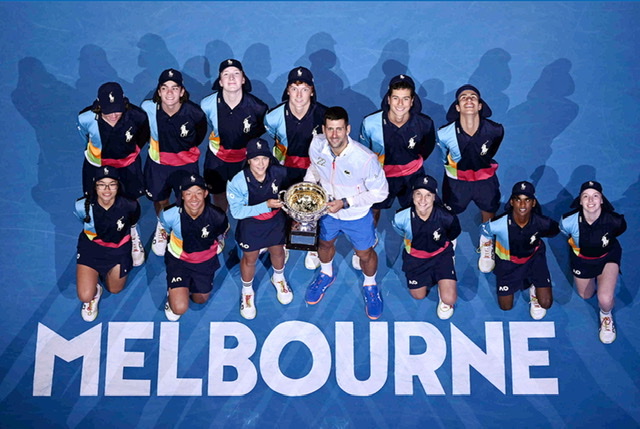
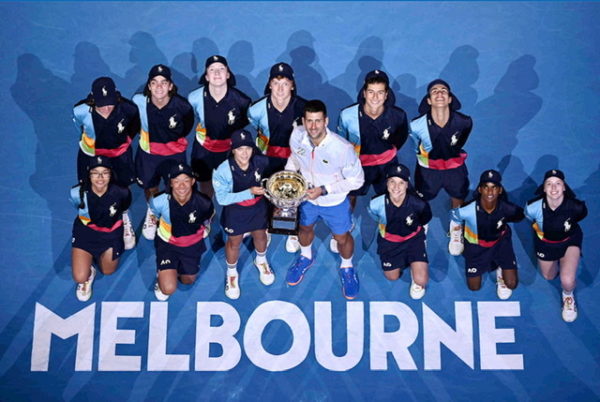

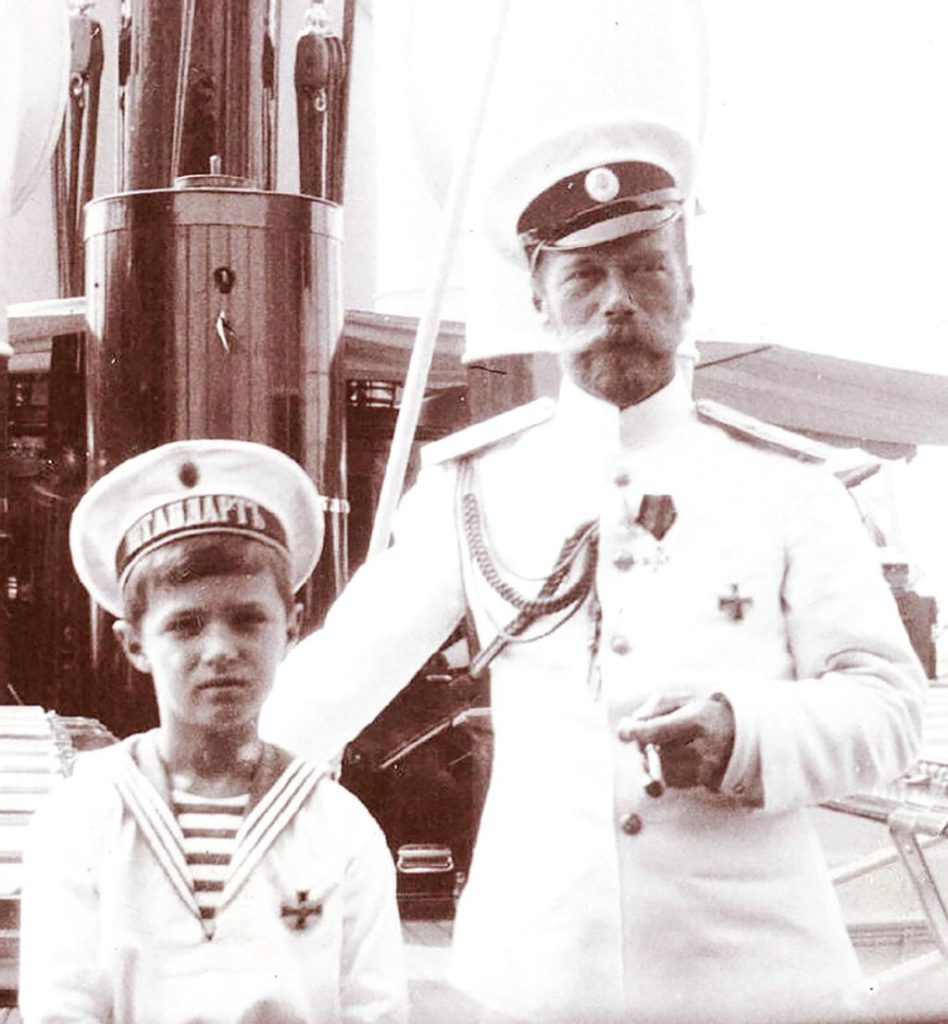
 In 1912 “Shtandart” was sent to the Franco-Russian plant for overhaul. But the Tsar did not have a chance to sail on the repaired yacht. Six years later, the yacht was renamed, receiving the name “18 March”. And on January 22, 1934, the commander of the Baltic Sea Forces M.L. Haller gave the order to rename “Standart” to “Marty”.

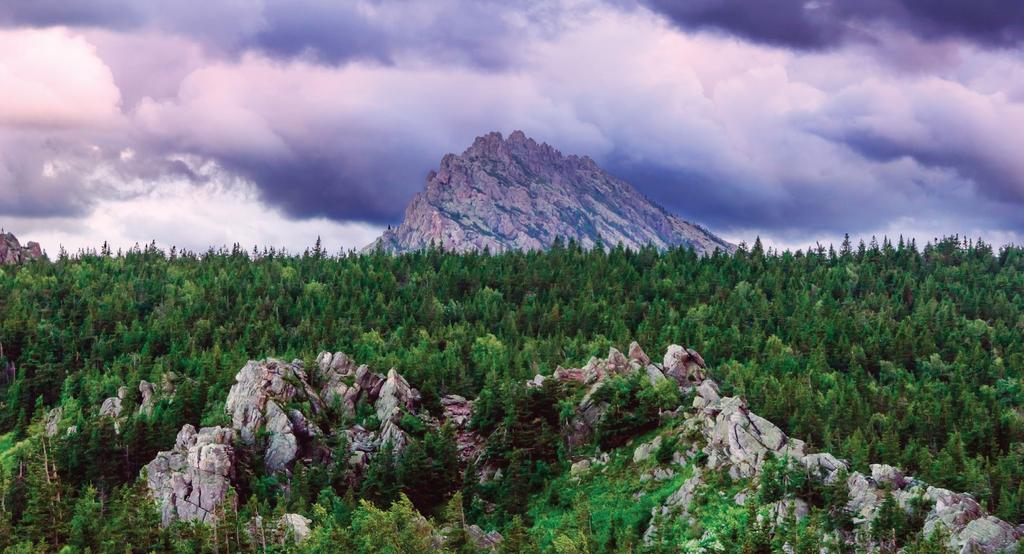


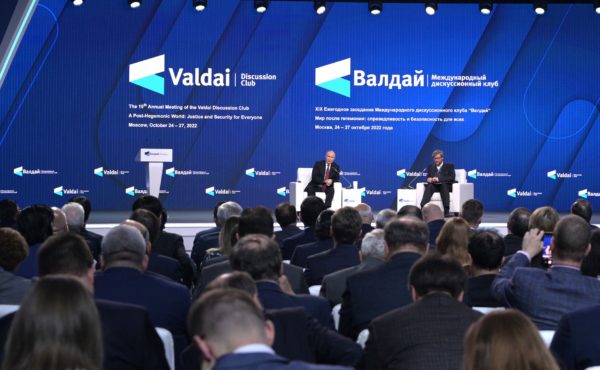 The theme of this year’s forum is A Post-Hegemonic World: Justice and Security for Everyone. The four day-long meeting brought together 111 experts, politicians, diplomats and economists from Russia and 40 foreign countries, including Afghanistan, Brazil, China, Egypt, France, Germany, India, Indonesia, Iran, Kazakhstan, South Africa, Turkie, the United States, and Uzbekistan, to name a few.
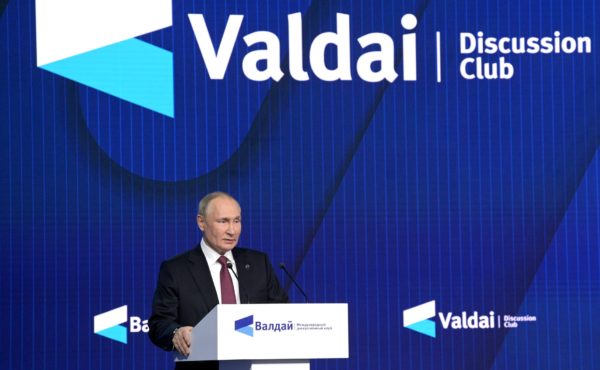 Ladies and gentlemen, friends,
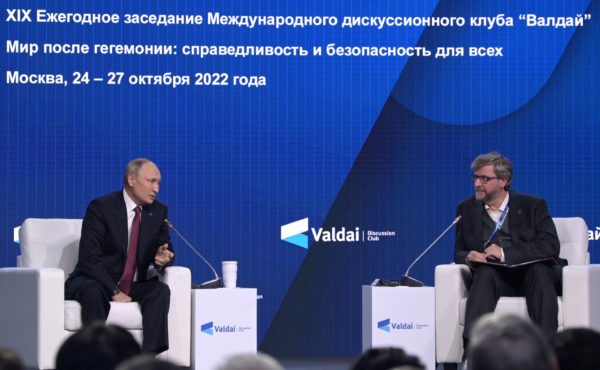 It looks like we are witnessing an attempt to enforce just one rule whereby those in power – we were talking about power, and I am now talking about global power – could live without following any rules at all and could get away with anything. These are the rules that we hear them constantly, as people say, harping on, that is, talking about them incessantly
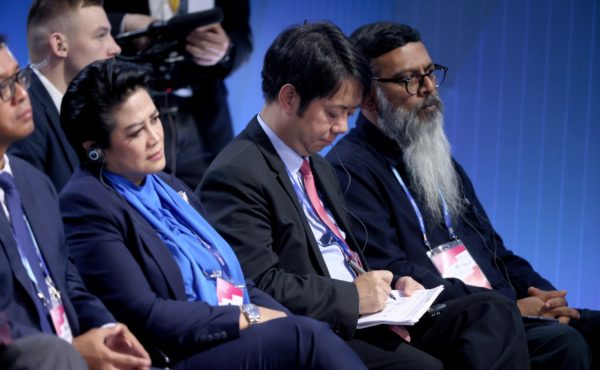 Global power is exactly what the so-called West has at stake in its game. But this game is certainly dangerous, bloody and, I would say, dirty. It denies the sovereignty of countries and peoples, their identity and uniqueness, and tramples upon other states’ interests. In any case, even if denial is the not the word used, they are doing it in real life. No one, except those who create these rules I have mentioned is entitled to retain their identity: everyone else must comply with these rules.
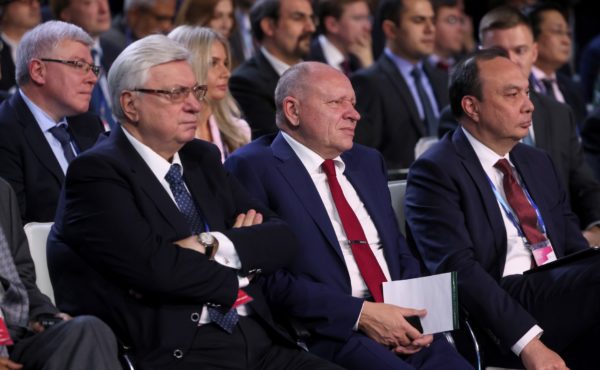 Over the nearly 50 years since then, the blindness about which Solzhenitsyn spoke and which is openly racist and neocolonial, has acquired especially distorted forms, in particular, after the emergence of the so-called unipolar world. What am I referring to? Belief in one’s infallibility is very dangerous; it is only one step away from the desire of the infallible to destroy those they do not like, or as they say, to cancel them. Just think about the meaning of this word.





















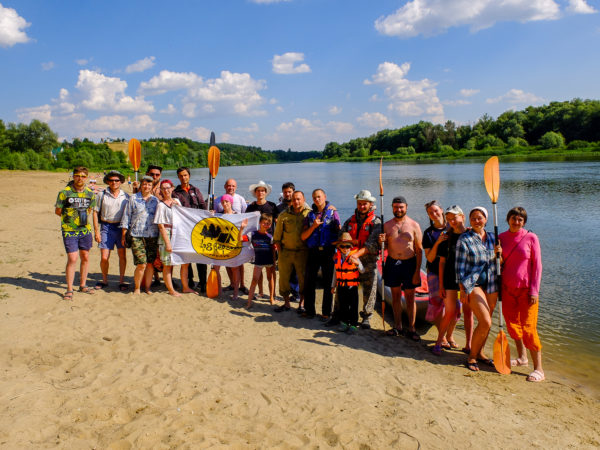
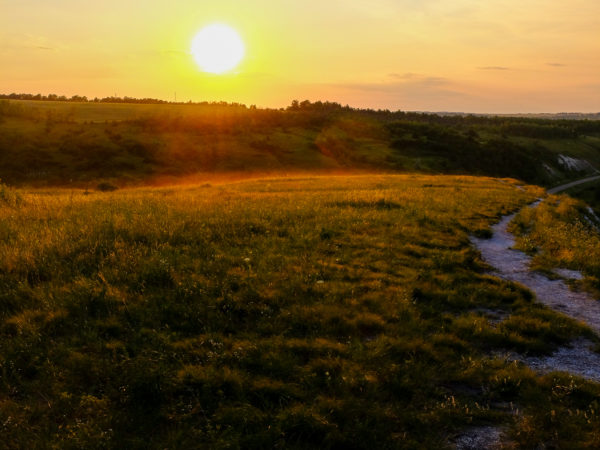
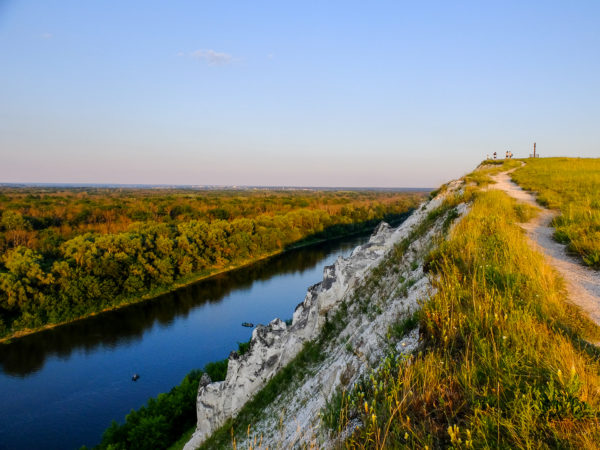

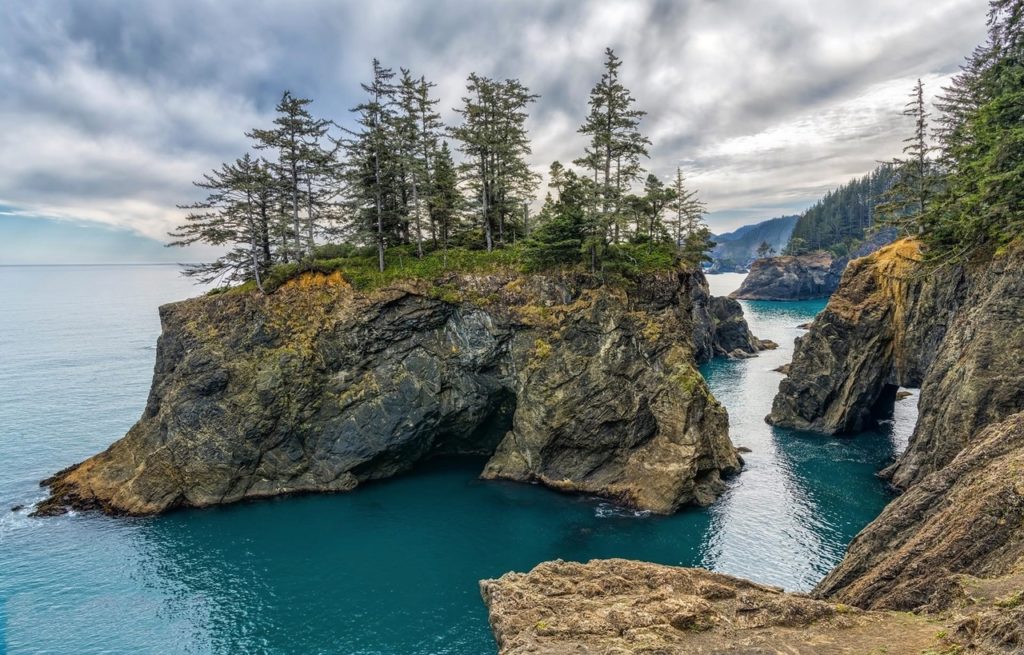
 С руководствами можно ознакомиться на сайте АСИ в разделе «Бибилиотека» // The manuals can be found on the ASI website in the section “Library”: