Home Blog Page 22

“Clean Environment” saves the planet

For several years now, Krasnodar is home to an association of caring people fighting for the preservation of the environment from the overwhelming and ruthless waste that has become a real disaster not only for our planet, but for the humanity as a whole. This association has a very peculiar name – “Clean Environment”.

arrow en ru

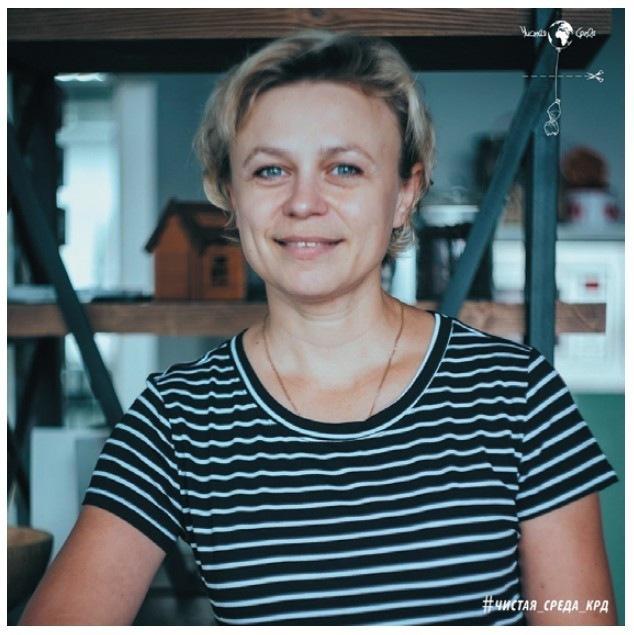
Elena Polosueva: ‘‘We want to live in a clean, environmentally-friendly and prosperous place’’

Уже несколько лет в Краснодаре функционирует объединение неравнодушных людей, которые борются за сохранение окружающей среды от всепоглощающего и беспощадного мусора, который стал настоящим бедствием не только для нашей планеты, но и для всего человечества. Это объединение носит очень своеобразное название – «Чистая среда».

Read the full article in the print version of the magazine – order here ->
https://www.englishmagazine.ru/Buy-EnglishMag

‘‘The native nature is a source of strength and energy recovery’’

The main goal of “Clean Environment” is to organize the cleanings of uncontrollably growing landfills from ubiquitous wastes. “Clean Environment” also popularizes environment-friendly programs aimed at reducing the garbage, contributes to its separate collection and promotes various ways of how to make our planet a little better. The idea of “Clean Environment” belongs to the entrepreneur Elena Polosueva, who came to this simply by observing the deplorable state of the Kuban nature.

Основная цель существования «Чистой среды» – организация уборок стихийных свалок от вездесущих отходов. «Чистая среда» также занимается популяризацией экологически ориентированных программ, направленных на снижение количества мусора, содействует его раздельному сбору, а также всячески продвигает различные способы того, как сделать нашу планету чуть лучше. Идея создания «Чистой среды» принадлежит предпринимателю Елене Полосуевой, которая пришла к этому, просто наблюдая за плачевным состоянием кубанской природы.

Here is what Elena Polosueva, the founder and director of the organization, tells us: “Clean Environment” was founded because we can no longer see how our land is being covered with more and more waste. We want to live in a clean, environmentally-friendly and prosperous place. We want our children to admire the beauty of the Kuban, not the garbage heaps”. We want to believe and hope that as many people as possible will become more aware of their home planet, because only by working together can we achieve great and productive results.

Prepared by Nikita Myshov, Anton Potapov and Vlad Tishchenko

Вот что рассказывает о деятельности организации основатель и директор Елена Полосуева: «Организация ‘‘Чистая среда’’ была создана потому, что мы больше не можем смотреть, как наш край покрывается всё большим количеством отходов. Мы хотим жить в чистом, экологичном и благополучном месте. Мы хотим, чтобы наши дети любовались красотами Кубани, а не мусорными кучами». Хочется надеяться и верить, что как можно больше людей станут осознанней относиться к своей родной планете, ведь только совместными усилиями можно добиться больших и продуктивных результатов.

“Garden-City” Expo 2018 Voronezh

Very special festival-exposition "Garden-City" is being held in Voronezh these days!

Very interesting and beautiful festival-exhibition "Garden-city" (Воронежский фестиваль садов и цветов «Город-Сад») is being held in Voronezh from 30th August till 2 September 2018

The first Voronezh International Festival of gardens and flowers “Garden-city” (international exhibition – fair “Voronezh – Garden-city”) took place in 2011 as a part of the celebration of the Voronezh 425th anniversary. In 2011, Lenin Square has been chosen as the location for the event. Already on the 3rd year of festival holding it has been decided to relocate the event to Sovetskaya square, as the Lenin Square could not accommodate all the participants, presenting their landscape design compositions. However, with the lapse of time even this territory has become not enough. In 2016 the reconstructed Voronezh Central Park has been determined as the place for the 6th international exhibition-fair “Voronezh – Garden-city”, which has already become a favourite recreation site for the Voronezh citizens. The park is a beautiful natural complex, which is rich not only in its flora, but in its history too. All this allowed creating the perfect atmosphere for the festival.

This year it was really a special festival:

  • more than 100 expositions – from giant ants to huge mammoths, a lot of gardenning expositions, which would be lovely suited in every house.
  • more than 220 000 visitors
  • foreign participants and jury from United Kingdom, Italy, Japan and other countries.
  • What’s more interesting, this year “Voronezh Garden-City” was spread on the largest capacity including hills and valleys. What is going to happen next year?:) Maybe it will be even larger? will see;)

These national sayings and proverbs about labour are really always important

Roberto Diolaiti, expert in Ecology
gave an interview for EnglishMag magazine

Voronezh 2018 City Garden expo

Voronezh was also an organizer of the FIFA World Cup 2018
(Morocco team was based here)

Sustainable Toronto

To Make Cities Sustainable, We Need to Rethink Almost Everything.

For years, we’ve been told to lower the thermostat and drive less. It hasn’t worked.

Joe Castaldo (University of Toronto magazine) shared with us interesting ideas on how we can make our cities more sustainable.

Ecology action

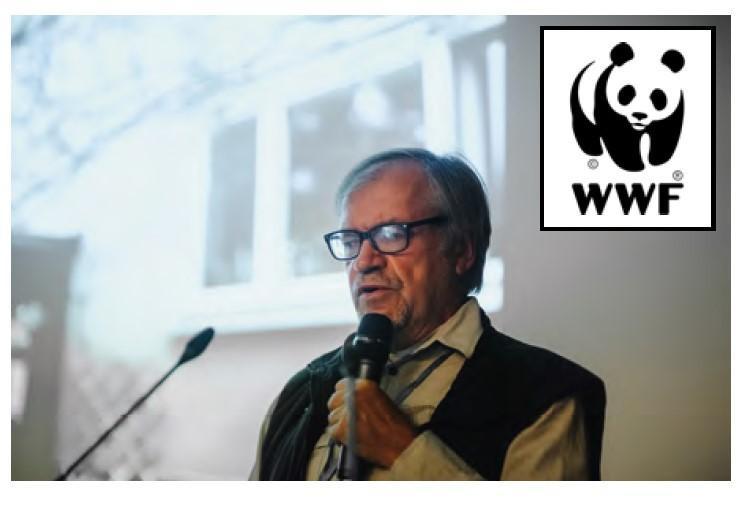
WWF senior officer, Henrik Woldenstrom: ‘‘We need to protect green areas in cities’’

Article from the new EnglishMag issue 1Q/2020

Ecology in Action ♻


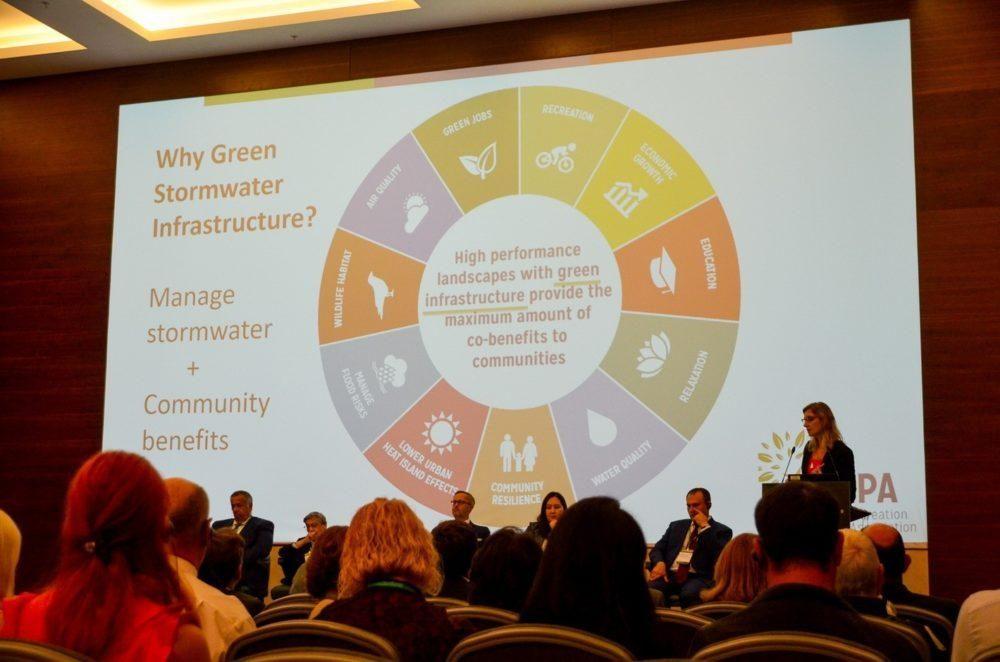
“Green Urban Infrastructure: Current State and Development Perspectives” international conference

The 3rd International Scientific and Practical Conference «Green Urban Infrastructure: Current State and Development Perspectives» was held in Voronezh in autumn 2019. The main purpose of the conference is to develop a wide discussion, organize the exchange of information and experience on green infrastructure as a pledge of favorable living conditions in cities and towns, discuss the latest trends in the landscape industry.

arrow en ru

‘‘We need to protect green areas in cities’’

3-я международная научно-практическая конференция «Зелёная инфраструктура городской среды: современное состояние и перспективы развития» состоялась в Воронеже осенью 2019 года. Основная цель конференции – развить широкую дискуссию, организовать обмен информацией и опытом по вопросам зелёной инфраструктуры как залога благоприятных условий жизни в городах и населённых пунктах, обсудить последние тенденции в ландшафтной отрасли.

‘‘The native nature is a source of strength and energy recovery’’

In 2019 speakers from Great Britain, Italy, USA, Sweden, Turkey, New Zealand, China and Russia took part in the conference.
As part of the business part of the conference program, a plenary session was held and round tables were held to discuss the following topics:

В 2019 году в конференции приняли участие спикеры из Великобритании, Италии, США, Швеции, Турции, Новой Зеландии, Китая и России.
В рамках деловой части программы конференции состоялось пленарное заседание, прошли тематические круглые столы, на которых были обсуждены следующие темы:

– formation of «green» urban policy and ways of its implementation;
– modern trends in the development of landscape design in public spaces and private areas;
– innovative technologies and green infrastructure approaches, the role of partner companies in the development of the landscape industry;
– the fundamental role of «green» cities in promoting changes in the direction of the circular economy;
– the prospect of development of nurseries and garden centres, their role in urban landscaping;
– landscape design and agriculture, land improvement, territory conversion, and many other issues.

– формирование «зелёной» городской политики и пути её реализации;
– современные тенденции в развитии ландшафтного дизайна на общественных пространствах и частных территориях;
– инновационные технологии и подходы в зелёной инфраструктуре, роль компаний-партнёров в развитии ландшафтной отрасли;
– фундаментальная роль «зелёных» городов в продвижении изменений в сторону циркулярной экономики;
– перспектива развития питомников и садовых центров, их роль в городском озеленении;
– ландшафтный дизайн и сельское хозяйство, рекультивация (благоустройство) земель, перепрофилирование территорий и многие другие вопросы.

Russian and foreign specialists were invited to participate in the conference: landscape architects and designers, professional arborists, plant material producers, researchers of specialized universities, representatives of partner companies in the field of green industry, as well as executive authorities and local governments.

К участию в конференции были приглашены российские и зарубежные специалисты: ландшафтные архитекторы и дизайнеры, профессиональные арбористы, производители посадочного материала, научные сотрудники профильных вузов, представители компаний-партнёров в сфере зелёной индустрии, а также исполнительных органов государственной власти и местного самоуправления.

Prepared by Nikita Myshov, Anton Potapov and Vlad Tishchenko

The interview with Robert Walton, UK, Queen’s counselor (exclusive on the website only)

2 – I was going to be a journalist, before I became a lawyer. So I did all the training in the UK. But then it didn’t work out, so I became a lawyer instead.

1 – Aha, I see…What year was it?

2 – In 1999…I started. So…20 years now.

1 – Hmm…I see. Robert, can you say, what the main goal of your presentation today was?

2 – The main goal was to tell the conference about how the British planning system works and how it balances economic growth with environmental protection.

1 – Aha…I see. And, what do you think: Are we on the right track to improving Voronezh? Can you compare it to Birmingham?

2 – Yes, certainly! from what I’ve seen, absolutely right. But it needs to be kept under review the whole time. You can’t just start and hope it works. You have to have good people working hard to make sure it happens. But yes, it looks good to me.

1 – Aha, interesting. So, you’re Queen’s counselor, yes?

2 – Yes

1 –It’s a big thing for you to be. Do you also sometimes contact her directly or what? How does that works?

2 – Umm…interesting, huh. The queen herself…I’m gonna show you a picture. It sure will make you laugh.

2 – …and it unfolds. It’s a big piece of paper and lovely old writing. And that is what makes you the QC. But it’s…I got that not from the queen but from the Lord Chancellor. So I met the Lord Chancellor but not the queen.

1 – Hmm, okay. This is also fine.

2 – Yeah. The politician, but not the queen.

1 – Anyways. So, you’re working in the colleges?

2 – Yes

1 – Do they influence the businesses, the enterprise? I mean, to build not how they want, but how better for the environment.

2 – Yes! In the UK that is so important. If you’re building the housing or a factory, you have to show, that you won’t have an unacceptable impact on the environment. So, for air quality, you have to show no problem. And traffic, you have to show no problem. But if there is a problem, you have to pay money to fix it to make sure it works So every housing scheme in London has to pay money towards «Crossrail». Crossrail is our big new transport project under London.

1 – So is it underground?

2 – Underground, yeah. Right across London. And so, every new development in London has to pay a tax to fund Crossrail, because more buildings – more people. More people – more transport. And that’s how we’re funding our transport projects.

1 – Huh, okay, interesting. I just have one more question about this underground road. Will it be held away underground?

2 – Yeah. And London, as you know, is massive. And it’s going to go from one side all the way through Heathrow airport.

1 – But with the stops, yes?

2 – Some stops in central London. Not too many. So be quick! Or like a metro, it’s like an underground railway.

1 – And who is the main organizer of the…

2 – Government. It’s a government’s idea. And then, the mayor of London. Then as I say, there’s this tax. So everybody pays for it.

1 – Aha…ok. So it’s not a private sector?

2 – No, it’s not. Exactly. In the UK there’s almost no ability for the private sector to build roads or railways. It’s all government land.

1- We have the same thing in Russia, you know

2 – Yeah, yeah..

1 – And, what do you think about the prime minister…

2 – Boris Johnson

1 – Yes! I think he will be better in ecology

2 – Umm, he was very keen to build a new airport. In London, he wanted to build a new airport here. So you fly over from Russia, Germany, and then you land in the airport right on the coast and then build a road into London. This is his idea. It has not worked.

1 – Why?

2 – Because it would have too much of an impact on the environment and the birds. It’s a very special area. So you can’t just build an airport on it, because the law says you can’t do it. So that was his idea. It was called «Boris Island»

1 – Aha. So he wanted to build it on the island…

2 – It was going to be called Boris Island. Yeah, make a new airport. International airport, yeah. That was his big idea. But it has been scrapped.

1 – Yeah. But was it when he was a mayor of London?

2 – Actually, when he was…yeah, when he was a mayor of London, exactly.

1 – Do you maybe have some ideas, that Voronezh should implement, that we don’t have right now?

2 – Umm, I think the thing that makes really good cities is parks. So if you have a lot of parks…small parks, local areas, bigger parks for the wider areas, that’s what can make a city really really great. And, from speaking to people…I don’t know the city that well, but people say: «we have some parks, but we need more parks». Because then, it’s good for people to live. But also, you come to see the city, because it’s lovely and green and it’s a nice place to spend time. So, tourism. That’s the thing I think will be good to know.

1 – What do you think about just cutting off the trees. Some trees I think are cut really massively. In some parks. I think it’s how it shouldn’t be.

2 – Yeah. it’s got to be done more carefully. Because if you cut the trees down, it makes them look ugly.

1 – Yeah, because…they cut it not the whole way.

2 – It saves money, if we cut it big, and then let it grow back, then cut 1 year, cut another year…

1 – I see…that’s a problem. So there should also be a responsibility. And how much money does the funding of the college Ecology department have, for example? Do you have the ecology department in the UK?

2 – Yeah

1 – And do you know the funding?

2 – I don’t know the funding they get. I know that most counsels in the UK don’t have much money. So they are struggling. But again, if they look to the development…so if you’re in Birmingham and you’re building some plants, you pay towards the keeper of the local park or you make a contribution to park. So the money comes from the profit on housing. Because we’re such a small island and because we’ve got such a shortage of housing, housing is worth lots of money, so the developers can build the houses and pay for park and pay for roads. So that’s how it’s done

1 – So the main thing is the developers. And do you maybe have statistics, so it’s possible to find how much money the ecology department get for the renovation?

2 – I don’t know. I suspect you could find it. But it’s not something I do right now, so I don’t think I know the answers to that. Sorry.

1 – Interesting. You also made me think more. Thank you

10 top time-saving tech tips

Tech columnist David Pogue shares 10 simple, clever tips for computer, web, smartphone and camera users. And yes, you may know a few of these already — but there’s probably at least one you don’t.

This talk was presented at an official TED conference, and was featured by our editors on the home page

David Pogue is the personal technology columnist for the New York Times and a tech correspondent for CBS News. He’s also one of the world’s bestselling how-to authors, with titles in the For Dummies series and his own line of “Missing Manual” books.

P.S. Yes, these tips are quite old, but they are very  useful up to now!

КАК ЗАМЕТИТЬ ЛОЖЬ | Памела Мейер, Детектор лжи

Vocabulary

it requires [rɪ’kwaɪə] это требует (знаний)
kick you out of the nest – вышвырнуть из гнезда
Just by osmosis – методом научного тыка
scroll bar – полоса прокрутки (справа)
Hold down – удерживать
assume – предположить
hit the Tab key – нажать на Tab клавишу
I’m not bitter – я не расстроился
keystroke – сочетание клавиш
carrier [‘kærɪə] оператор связи
define [dɪ’faɪn] определять
blackout – затемнить
on a roll – в ударе
whiteout [‘waɪtaut] высветлить

up-arrow

Слушайте и читайте
скрипт

4e634446a6c0370cb94588e8be0e5b0c_360x536
arrow en ru

00:12
I’ve noticed something interesting about society and culture. Everything risky requires a license. So, learning to drive, owning a gun, getting married. There’s a certain —

00:12
Я заметил одну интересную особенность общества и культуры. На любые действия с определённой долей риска нужна лицензия, например, вождение, владение оружием, женитьба.

00:24
(Laughter)

00:26
That’s true in everything risky, except technology. For some reason, there’s no standard syllabus, there’s no basic course. They just sort of give you your computer and then kick you out of the nest. You’re supposed to learn this stuff — how? Just by osmosis. Nobody ever sits down and tells you, “This is how it works.” So today I’m going to tell you ten things that you thought everybody knew, but it turns out they don’t.

00:24
(Смех)

00:26
Это касается всех рискованных действий, кроме технологий. По каким-то причинам не существует стандартной обучающей программы или курса для начинающих. Вам просто вручают компьютер и отправляют в свободный полет. Ну и как вы должны разобраться во всем этом? «Методом научного тыка». Никто не сядет рядом и не скажет: «Это работает вот так». Поэтому сегодня я собираюсь рассказать вам о 10 правилах, которые, казалось бы, знает каждый, но на самом деле, это не так.

00:51
First of all, on the web, if you want to scroll down, don’t pick up the mouse and use the scroll bar. That’s a terrible waste of time. Do that only if you’re paid by the hour. Instead, hit the space bar. The space bar scrolls down one page. Hold down the Shift key to scroll back up again. So, space bar to scroll down one page; works in every browser, in every kind of computer.

00:51
Итак, во-первых, когда вы сидите в интернете и вам нужно пролистать страницу вниз, не пользуйтесь мышкой или полосой прокрутки справа. Это страшная трата времени. Пользуйтесь этим, только если у вас почасовая оплата. Вместо этого нажмите пробел. Пробел пролистывает страницу вниз. Чтобы вернутся наверх, удерживайте нажатой клавишу Shift. Итак, пробел пролистывает страницу вниз. Это правило работает в любом браузере на любом компьютере.

01:12
Also on the web, when you’re filling in one of these forms like your addresses, I assume you know that you can hit the Tab key to jump from box to box to box. But what about the pop-up menu where you put in your state? Don’t open the pop-up menu. That’s a terrible waste of calories. Type the first letter of your state over and over and over. So if you want Connecticut, go, C, C, C. If you want Texas, go T, T, and you jump right to that thing without even opening the pop-up menu.

01:12
Также когда в интернете вы заполняете одну из подобных анкет с указанием ваших данных, думаю, вы помните, что можно использовать клавишу Tab для перехода от одного поля к другому. Но как быть с всплывающим меню, в котором вам нужно указать свой штат? Не открывайте его. Вы расходуете кучу калорий! Введите первую букву вашего штата несколько раз подряд. Например, если вам нужен Коннектикут, вводите букву C. Если нужен Техас, вводите букву T и попадёте сразу на нужное, даже не открывая меню.

01:39
Also on the web, when the text is too small, what you do is hold down the Control key and hit plus, plus, plus. You make the text larger with each tap. Works on every computer, every web browser, or minus, minus, to get smaller again. If you’re on the Mac, it might be Command instead.

01:38
Идём дальше. Когда текст слишком мелкий, удерживайте нажатой клавишу Ctrl и жмите плюс несколько раз. Вы увеличиваете текст с каждым нажатием. Это правило работает на каждом компьютере, в каждом браузере. Или жмите несколько раз минус, чтобы снова уменьшить текст. На клавиатуре ноутбука Мас от Apple это можно сделать кнопкой Command.

01:55
When you’re typing on your Blackberry, Android, iPhone, don’t bother switching layouts to the punctuation layout to hit the period and then a space, then try to capitalize the next letter. Just hit the space bar twice. The phone puts the period, the space, and the capital for you. Go space, space. It is totally amazing.

01:55
Когда вы набираете текст на Blackberry, Android и iPhone, не заморачивайтесь на то, чтобы включить раскладку пунктуации, поставить точку, затем пробел, затем начать набирать большую букву. Просто дважды нажмите пробел. Телефон сам поставит точку, пробел и большую букву. Нажмите два раз пробел. Это невероятно.

02:15
Also when it comes to cell phones, on all phones, if you want to redial somebody that you’ve dialed before, all you have to do is hit the call button, and it puts the last phone number into the box for you, and at that point you can hit call again to actually dial it. No need to go to the recent calls list if you’re trying to call somebody just hit the call button again. (it works not on every new phone)

02:15
Что касается мобильных телефонов, всех без исключения, если вы хотите позвонить тому, с кем только что разговаривали, то всё, что вам нужно сделать, — это нажать кнопку вызова. В поле для набора номера появится последний набранный номер. Тогда вы ещё раз нажимаете кнопку вызова и звоните. Так что вам не нужно заходить в список последних звонков. Итак, если вам нужно кому-то позвонить, просто снова нажмите на кнопку вызова.

02:36
Something that drives me crazy: When I call you and leave a message on your voice mail, I hear you saying, “Leave a message,” and then I get these 15 seconds of freaking instructions, like we haven’t had answering machines for 45 years! (Laughter) I’m not bitter. So it turns out there’s a keyboard shortcut that lets you jump directly to the beep like this.

02:36
Вот, что сводит меня с ума. Когда я звоню кому-то, чтобы оставить сообщение на голосовую почту, слышу, как голос говорит: «Оставьте сообщение» и потом проходит ещё целых 15 секунд чёртовых инструкций, как будто у нас не было автоответчиков последние 45 лет! (Смех) Но я не огорчился. Оказывается, есть сочетание клавиш, которое позволяет сразу переходить к вот этому сигналу.

03:00
Phone: At the tone, please… (Beep)

03:00
Автоответчик: После сигнала, пожалуйста, — звуковой сигнал.

03:03
David Pogue: Unfortunately, the carriers didn’t adopt the same keystroke, so it’s different by carrier, so it devolves upon you to learn the keystroke for the person you’re calling. I didn’t say these were going to be perfect.

03:03
Дэвид Пог: К сожалению, у разных операторов связи разные сочетания клавиш, поэтому вам самим придётся изучить нужное сочетание клавиш в зависимости от оператора, которому вы звоните. Я не говорил, что это будет идеально.

03:16
So most of you think of Google as something that lets you look up a web page, but it is also a dictionary. Type the word “define” and the word you want to know. You don’t even have to click anything. There’s the definition as you type. It’s also a complete FAA database. Type the name of the airline and the flight. It shows you where the flight is, the gate, the terminal, how long until it lands. You don’t need an app. It’s also unit and currency conversion. Again, you don’t have to click one of the results. Just type it into the box, and there’s your answer.

03:16
Дальше. Итак, большинство из вас думают, что Google всего лишь помогает вам найти любую веб-страницу, но это также и словарь. Наберите слово «определить», а затем слово, которое вы хотите узнать. Вам даже не придётся больше ничего нажимать. Пока вы печатаете, появится определение. Здесь также есть полная база данных авиалиний. Введите название авиакомпании и данные полёта. Он покажет вам, откуда вылет, номер выхода, терминал и длительность перелёта. Для этого даже не нужно никакое приложение. Ещё здесь есть конвертер валюты и единиц измерения. Опять же, вам не нужно щелкать ни один из результатов. Просто введите данные в поле и получите ответ.

03:45
While we’re talking about text — When you want to highlight — this is just an example — (Laughter) When you want to highlight a word, please don’t waste your life dragging across it with the mouse like a newbie.Double click the word. Watch “200” — I go double-click, it neatly selects just that word. Also, don’t delete what you’ve highlighted. You can just type over it. This is in every program. Also, you can go double-click, drag, to highlight in one-word increments as you drag. Much more precise. Again, don’t bother deleting. Just type over it. (Laughter)

03:45
Если мы говорим о тексте, то когда вы хотите подчеркнуть — это просто пример. (Смех) Когда вы хотите выделить слово, пожалуйста, не тратьте вечность, протаскивая через него мышку, как новичок. Дважды щёлкните слово. Смотрите на 200. Я делаю двойной щелчок. И он аккуратно выбирает только это слово. Кроме того, не стоит удалять то, что вы выделили. Вы можете просто печатать сверху. Эта функция есть в каждой программе. Кроме того, вы можете кликнуть дважды и тащить мышку, выделяя пословно всё, что нужно. Это действие намного точнее. Опять же ничего не надо удалять. Просто печатайте сверху. (Смех)

04:24
Shutter lag is the time between your pressing the shutter button and the moment the camera actually snaps. It’s extremely frustrating on any camera under $1,000. (Camera click) (Laughter) So, that’s because the camera needs time to calculate the focus and exposure, but if you pre-focus with a half-press,leave your finger down — no shutter lag! You get it every time. I’ve just turned your $50 camera into a $1,000 camera with that trick.

04:24
Задержка срабатывания затвора — это время между нажатием на кнопку спуска затвора и моментом, когда фотоаппарат на самом деле снимает. Это то, что здорово раздражает в любом фотоаппарате дешевле 1 000 долларов. (Звук съёмки) (Смех) Это происходит, потому что фотоаппарату требуется время, чтобы рассчитать фокус и экспозицию. Но если нажать кнопку только наполовину, чтобы сначала задать фокус, а потом дожать до конца, то никакой задержки срабатывания не будет! И так будет происходить каждый раз. С помощью этого трюка стоимость вашего фотоаппарата выросла с 50 долларов до 1 000 долларов.

04:55
And finally, it often happens that you’re giving a talk, and for some reason, the audience is looking at the slide instead of at you! (Laughter) So when that happens — this works in Keynote, PowerPoint, it works in every program — all you do is hit the letter B key, B for blackout, to black out the slide, make everybody look at you, and then when you’re ready to go on, you hit B again, and if you’re really on a roll, you can hit the W key for “whiteout,” and you white out the slide, and then you can hit W again to un-blank it.

04:55
И последнее. Часто бывает так, что пока вы говорите, по каким-то причинам аудитория смотрит на слайд, а не на вас! (Смех) Когда такое случается, это работает в Keynote, PowerPoint, в любой программе, всё, что вам нужно сделать, — нажать букву B. Буква В для затемнения слайда, и теперь все смотрят на вас. Когда вы готовы продолжать дальше, снова нажимайте В. А если вы в ударе, то можете нажать клавишу W, чтобы слайд стал белым. Затем снова жмите W, чтобы вернуть картинку.

05:26
So I know I went super fast. If you missed anything, I’ll be happy to send you the list of these tips. In the meantime, congratulations. You all get your California Technology License.

05:26
Я знаю, что рассказывал очень быстро. И если вы что-то пропустили, я с удовольствием отправлю вам список этих советов. Между тем, примите мои поздравления. Вы все получили лицензию штата Калифорния на знание технологий.

05:35
Have a great day.

05:37
(Applause)

05:35
Удачного дня.

05:37
(Аплодисменты)

You might also want to check other great tech-saving Tips from
David Pogue  -> https://www.amazon.com/Pogues-Basics-Essential-Simplifying-Technology/dp/125005348X/ 

Summing up, 10 top time-saving tips

1. Use the space bar to scroll down a page. Hold the shift key and the space bar at the same time to scroll back up again.

Подводя итоги, 10 советов, экономящих время

1. Используйте пробел, чтобы прокрутить страницу вниз. Удерживайте клавишу Shift и пробел одновременно, чтобы снова прокрутить вверх.

7. Use Google as a dictionary by typing “define” followed with the word you want to understand. You can also use it as an FAA database for flight details.

7. Используйте Google в качестве словаря, набрав «определить», а затем слово, которое вы хотите понять. Вы также можете использовать его в качестве базы данных авиа полетов.

6. Speaking of phones, carriers have keystrokes that let you bypass the “15 seconds of fricking instructions, like we haven’t had answer machines for 45 years.” Sadly, each shortcut is different. “I didn’t say these were going to be perfect,” Pogue allows.

6. Говоря о телефонах, у операторов есть нажатия клавиш, которые позволяют вам обходить «15 секунд безумных инструкций, как будто у нас не было автоответчиков в течение 45 лет». К сожалению, каждая клавиша отличается. «Я не говорил, что они будут идеальными», – допускает Пог.

5. Hit the call button of your phone to redial the last person you spoke to. No need to go into your contacts.

5. Нажмите кнопку вызова на вашем телефоне, чтобы набрать номер последнего абонента, с которым вы разговаривали. Не нужно заходить в ваши контакты.

4. Don’t bother with punctuation on your smartphone. Hit the space bar twice for a period (.) and the next letter will be automatically capitalized.

4. Не беспокойтесь о пунктуации на вашем смартфоне. Нажмите пробел дважды чтобы вышла точка (.), И следующая буква будет автоматически заглавной.

3. To make web text larger, press control +. Mac users, make that “Command +.” You can do the same with Ctrl + scrolling the mouse

3. Чтобы увеличить веб-текст, нажмите control. Пользователи Mac, сделайте эту «Команду». Вы можете сделать то же самое с Ctrl + прокрутка мыши

2. Tab between boxes on online forms. When there’s a pop-up menu to input details of your state, type the first letter of the state, birth date, or whatsoever, to scroll through options.

2. Вкладка между полями в онлайн-формах. Когда есть всплывающее меню для ввода сведений, введите первую букву штата, дату рождения или что-либо еще, чтобы прокрутить опции.

8. To highlight a word, don’t drag across it with the mouse. Double click it. And don’t bother deleting text; just type.

8. Чтобы выделить слово, не перемещайте его мышью. Дважды щелкните по нему. И не беспокойтесь об удалении текста; просто печатайте.

9. Avoid shutter lag by half pressing down the button of your camera before you take a picture. For folks who still use cameras.

9. Чтобы избежать задержки затвора, наполовину нажмите кнопку камеры, прежде чем сделать снимок. Для людей, которые все еще используют камеры.

10. Press “b” to black out a slide (or “w” to white it out). And make sure people are paying attention to your wonderful presentation.

10. Нажмите «b», чтобы замаскировать слайд (или «w», чтобы закрасить его). И убедитесь, что люди обращают внимание на вашу замечательную презентацию.

Tree City of the World

Tree City of the World

Город Воронеж получает статус Города деревьев мира («Tree Cities of the World»)

Продовольственная и сельскохозяйственная организация Организации Объединенных Наций (ФАО) и Фонд Дня посадки деревьев признают город Воронеж городом деревьев

Яго Кин, Великобритания: “Воронеж заслужил того, чтобы его признали городом деревьев мира.”

arrow en ru

Воронеж 2020

Voronezh, Russia (6 February, 2020) –

The Food and Agriculture Organization of the United Nations (FAO) along with the Arbor Day Foundation has recognized Voronezh with Tree Cities of the World designation.

The international programme celebrates cities across all continents that meet core standards for the care and planning of urban trees and forests.

To achieve recognition, Voronezh met the five core standards: establish responsibility, set the rules, know what you have, allocate the resources and celebrate achievements.

“The Tree Cities of the World programme recognizes the efforts cities take toward greener, healthier communities,” said Hiroto Mitsugi, assistant director general, Forestry Department, FAO.

Воронеж, Россия (6 февраля 2020 года) –

Продовольственная и сельскохозяйственная организация ООН (ФАО) совместно с Фондом Дня посадки дерева признали Воронеж с получением статуса Города деревьев мира.

Международная программа отмечает города на всех континентах, которые соответствуют ключевым стандартам по планированию и уходу за деревьями и лесами города.

Чтобы получить признание, Воронеж должен был соответствовать пяти ключевым стандартам: установление ответственности, установление правил, подтверждение того, что имеется, выделение ресурсов и отметка достижений.

«Программа «Города деревьев мира» отмечает, что города прилагают усилия к созданию более экологичных, здоровых сообществ», – сказал Хирото Мицуги, ассистент генерального директора Департамента лесного хозяйства ФАО.

«Самыми успешными городскими ландшафтами являются те, которые учли наличие деревьев в плане. Мы одобряем работу Воронежа по посадке и уходу за городскими деревьями».

Некоторые из вас, возможно, уже столкнулись с проблемой получения зеленой инфраструктуры, принятой на законодательном уровне. Общий вопрос, общий барьер – почему мы должны беспокоиться об инвестициях в зеленую инфраструктуру? А что это нам даст? К чему беспокоиться?

Некоторым это легко понять. Мы принадлежим к числу тех, кто понимает его ценность. Организаторы конференции “Зеленая инфраструктура”, Департамент природных ресурсов и экологии Воронежской области это понимают и ценят.

Администрация городского округа г.Воронеж и Управление экологии города приняли непосредственное участие в признании Воронежа, указав всю нормативную базу, а также лицо, ответственное за  содержание зеленых насаждений.

Ecology in Action ♻

arrow en ru

Воронеж стал мировым городом деревьев
(Tree City of the World)

“Voronezh joins cities around the world that have taken steps toward robust and healthy city forests,” said Dan Lambe, president, Arbor Day Foundation.

«Воронеж присоединяется к городам всего мира, которые предприняли меры к созданию надежных и здоровых городских лесов», – сказал Дэн Ламбэ, председатель Фонда Дня посадки дерева.

“Trees clean our air and water, provide shade, and beautify the places we live and work. This designation signifies Voronezh’s commitment to being a healthier, happier city.”

«Воронеж присоединяется к городам всего мира, которые предприняли меры к созданию надежных и здоровых городских лесов», – сказал Дэн Ламбэ, председатель Фонда Дня посадки дерева.

The Tree Cities of the World programme is built off the success of the Arbor Day Foundation’s Tree City USA program, which has provided recognition to cities within the United States for more than 40 years.The vision of the Tree Cities of the World programme is to connect cities around the world in a new network dedicated to sharing and adopting the most successful approaches to managing city trees and forests.

Программа «Города деревьев мира» вышла из успешной программы Фонда Дня посадки дерева «Город деревьев США», которая более 40 лет получала признание в городах США. Концепция программы «Города деревьев мира» предназначена объединять города всего мира в новую сеть, посвященную обмену и внедрению наиболее успешных концепций организации городских деревьев и лесопарков.

Trees provide multiple benefits to a city when properly planted and maintained. They help to improve the visual appeal of a neighborhood, increase property values, reduce home cooling costs, remove air pollutants and provide wildlife habitat, among many other benefits.

Деревья обеспечивают множество преимуществ для города, если они правильно посажены и поддерживаются. Они помогают улучшить визуальную привлекательность района, увеличить стоимость собственности, сократить расходы на охлаждение дома, удалить загрязнение воздуха и обеспечить среду обитания диких животных и многие другие преимущества.

More information is available at TreeCitiesoftheWorld.org.

Больше информации доступно по ссылке TreeCitiesoftheWorld.org.

FAO

Established in 1945, the Food and Agriculture Organization of the United Nations (FAO), is a Specialized Agency of the United Nations system that leads international efforts to defeat hunger. The Organization is comprised of 194 Member States, 2 associate  members  and  1  member organization – The European Union.

О ФАО 

Созданная в 1945 году Продовольственная и сельскохозяйственная организация Объединенных Наций (ФАО) является специализированным учреждением системы Организации Объединенных Наций, которое ведет международную работу по борьбе с голодом. В состав Организации входят 194 государства-члена, 2 ассоциированных члена и 1 организация-член — Европейский союз.

Its aim is to raise levels of nutrition and standards of living for all people in FAO member countries, to secure improvements in the efficiency of production and distribution of food and agricultural products, to ensure the sustainable management of natural resources and to contribute towards expanding the world economy and ensure humanity’s freedom from hunger. FAO is currently present in over 130 countries.

More information is available at www.fao.org

Ее цель заключается в повышении уровня питания и уровня жизни для всех людей в странах — членах ФАО, повышении эффективности производства и распределения продовольствия и сельскохозяйственной продукции, обеспечении устойчивого управления природными ресурсами и содействии расширению мира экономики и обеспечить человечеству свободу от голода. В настоящее время ФАО представлена более чем в 130 странах.

Более подробная информация доступна на сайте www.fao.org 

About the Arbor Day Foundation

Founded in 1972, the Arbor Day Foundation has grown to become the largest nonprofit membership organization dedicated to planting trees, with more than one million members, supporters and valued partners. Since 1972, more than 350 million Arbor Day Foundation trees have been planted in neighborhoods, communities, cities and forests throughout the world.

О Фонде Дня посадке дерева

Основанный в 1972 году Фонд Дня посадки дерева стал самой большой некоммерческой организацией, которая занимается посадкой деревьев и имеет более чем один миллион членов, сторонников и ценных партнеров. С 1972 г. более чем 350 миллионов деревьев Фонда Дня древонасаждения было высажено в районах, общинах, городах и лесах во всем мире.

“The importance of Green Infrastructure”
by Jago Keen, UK, Keen Consultants 2019-2020

Congratulations to the mayor on Earning Tree Cities of the World Recognition for 2019!

Dear Vadim,

On behalf of the Arbor Day Foundation and the Food and Agriculture Organization of the United Nations, we write to congratulate Voronezh on earning 2019 Tree Cities of the World recognition. As part of the inaugural class, residents of Voronezh should be proud to live in a city that makes the planting and care of trees a priority. Congratulations for earning this prestigious status!

Уважаемый Вадим Юрьевич,

От имени Фонда «День посадки деревьев» и Продовольственной и сельскохозяйственной организации Объединенных Наций мы пишем, чтобы поздравить Воронеж с получением статуса «Города деревьев мира». Жители Воронежа должны гордиться тем, что живут в городе, который делает посадку и уход за деревьями приоритетом. Поздравляем с получением этого престижного статуса!

Now more than ever, trees and forests are a vital component of healthy, livable, and sustainable communities around the globe. As a result of your commitment to effective urban forest management, Voronezh is helping to provide a solution to these global challenges.

Сейчас более чем когда-либо деревья и леса являются жизненно важным компонентом здоровых, пригодных для жизни и устойчивых сообществ по всему миру. В результате вашей приверженности к эффективному управлению городскими лесами Воронеж помогает решить эти глобальные проблемы.

How to stay calm when you know you’ll be stressed

You’re not at your best when you’re stressed. In fact, your brain has evolved over millennia to release cortisol in stressful situations, inhibiting rational, logical thinking but potentially helping you survive, say, being attacked by a lion. Neuroscientist Daniel Levitin thinks there’s a way to avoid making critical mistakes in stressful situations, when your thinking becomes clouded — the pre-mortem. “We all are going to fail now and then,” he says. “The idea is to think ahead to what those failures might be.”

arrow en ru

Вы не вы, когда под стрессом. Фактически, ваш мозг эволюционировал на протяжении тысячелетий, чтобы высвободить кортизол в стрессовых ситуациях, подавляя рациональное, логическое мышление, но потенциально помогая вам выжить, скажем, если нападёт лев. Нейробиолог Даниэль Левитин считает, что есть способ избежать критических ошибок в стрессовых ситуациях, когда ваше мышление становится омраченным.

Daniel Levitin: How to stay calm when you know youll be stressed

Vocabulary

Locksmith [‘lɔksmɪθ] слесарь
Neuroscientist [‘njuərə’saɪəntɪst] нейробиолог
cortisol [ˈkɔːtɪsɒl] кортизол
heart rate [hɑː(r)t reit] – частота сердцебиения
to modulate [‘mɔdjəleɪt] регулировать , понижать частоту
likelihood [‘laɪklɪhud] вероятность
prospective hindsight [‘haɪndsaɪt] предполагаемый взгляд в прошлое
pre-mortem – до смерти
post mortem – посмертный
to designate [‘dezɪgneɪt] выбрать; предназначать (для чего-л.)
to back sth. up – поддерживать (идею)
spatial memory – пространственная память
spatial [‘speɪʃ(ə)l] ощущающий, воспринимающий пространство
to confront [kən’frʌnt] противостоять
statin – any of a group of drugs which act to reduce levels of cholesterol in the blood
to debilitate [dɪ’bɪlɪteɪt] ослаблять, уменьшать
cardiovascular [ˌkɑː(r)dɪəu’væskjulə] system – сердечно-сосудистая система

made by Arina Onskul

up-arrow

Слушайте и читайте
скрипт

4e634446a6c0370cb94588e8be0e5b0c_360x536
arrow en ru

00:13
A few years ago, I broke into my own house. I had just driven home, it was around midnight in the dead of Montreal winter, I had been visiting my friend, Jeff, across town, and the thermometer on the front porch read minus 40 degrees — and don’t bother asking if that’s Celsius or Fahrenheit, minus 40 is where the two scales meet — it was very cold. And as I stood on the front porch fumbling in my pockets, I found I didn’t have my keys. In fact, I could see them through the window, lying on the dining room table where I had left them. So I quickly ran around and tried all the other doors and windows, and they were locked tight. I thought about calling a locksmith — at least I had my cellphone, but at midnight, it could take a while for a locksmith to show up, and it was cold. I couldn’t go back to my friend Jeff’s house for the night because I had an early flight to Europe the next morning, and I needed to get my passport and my suitcase.

00:13
Несколько лет назад я вломился в свой собственный дом. Я только приехал. Было около полуночи глубокой зимой в Монреале. Я навещал своего друга Джеффа на другом конце города. На градуснике на крыльце было –40°. Нет смысла спрашивать, по Цельсию или по Фаренгейту, –40 — это одно и то же по любой шкале. Стоял лютый холод. Стоя на крыльце и шаря по карманам, я понял, что ключа у меня не было. Я даже мог его видеть через окно на столе в столовой — там, где я его оставил. Я быстро обежал дом, пробуя открыть другие двери или окна, но все они были заперты. Я подумал позвонить слесарю — телефон-то у меня был, — но посреди ночи слесаря пришлось бы долго ждать, а было холодно. И к Джеффу я не мог поехать переночевать, так как рано утром у меня был вылет в Европу и мне нужны были мой паспорт и чемодан.

01:08
So, desperate and freezing cold, I found a large rock and I broke through the basement window, cleared out the shards of glass, I crawled through, I found a piece of cardboard and taped it up over the opening, figuring that in the morning, on the way to the airport, I could call my contractor and ask him to fix it. This was going to be expensive, but probably no more expensive than a middle-of-the-night locksmith, so I figured, under the circumstances, I was coming out even.

01:08
Промёрзший насквозь и отчаявшийся, я нашёл большущий камень и разбил им окно подвала. Убрал осколки стекла, забрался внутрь, нашёл кусок картона и закрыл им дыру, решив, что утром по дороге в аэропорт позвоню своему мастеру и попрошу его починить окно. Будет дорого стоить, но скорее всего, не дороже, чем услуги слесаря в полночь. Так что в сложившихся обстоятельствах по деньгам нет разницы.

01:36
Now, I’m a neuroscientist by training and I know a little bit about how the brain performs under stress. It releases cortisol that raises your heart rate, it modulates adrenaline levels and it clouds your thinking. So the next morning, when I woke up on too little sleep, worrying about the hole in the window, and a mental note that I had to call my contractor, and the freezing temperatures, and the meetings I had upcoming in Europe, and, you know, with all the cortisol in my brain, my thinking was cloudy, but I didn’t know it was cloudy because my thinking was cloudy.

01:36
По образованию я невролог и знаком с тем, как мозг работает в условиях стресса. Он вырабатывает кортизол, который ускоряет сердцебиение, изменяет уровень адреналина в крови и затуманивает мышление. На следующее утро, поспав совсем немного, переживая о разбитом окне, мысленно отметив себе позвонить мастеру, с морозом за окном, приближающейся встречей в Европе — со всем этим кортизолом в мозге моё мышление было затуманено, но я не отдавал себе в этом отчёта, так как моё мышление было затуманено.

02:13
(Laughter)

02:15
And it wasn’t until I got to the airport check-in counter, that I realized I didn’t have my passport.

02:13
(Смех)

02:15
И только у стойки регистрации в аэропорту я понял, что забыл свой паспорт.

02:20
(Laughter)

02:22
So I raced home in the snow and ice, 40 minutes, got my passport, raced back to the airport, I made it just in time, but they had given away my seat to someone else, so I got stuck in the back of the plane, next to the bathrooms, in a seat that wouldn’t recline, on an eight-hour flight. Well, I had a lot of time to think during those eight hours and no sleep.

02:20
(Смех)

02:22
Я помчался обратно — это заняло 40 минут — сквозь снег и гололедицу, взял паспорт — и пулей в аэропорт. Я вернулся вовремя, но моё место уже кому-то отдали, поэтому я оказался в хвосте самолёта у туалета, в кресле с неоткидывающейся спинкой на все восемь часов полёта. У меня было много времени на размышление в течение этих восьми часов без сна.

02:43
(Laughter)

02:44
And I started wondering, are there things that I can do, systems that I can put into place, that will prevent bad things from happening? Or at least if bad things happen, will minimize the likelihood of it being a total catastrophe. So I started thinking about that, but my thoughts didn’t crystallize until about a month later. I was having dinner with my colleague, Danny Kahneman, the Nobel Prize winner, and I somewhat embarrassedly told him about having broken my window, and, you know, forgotten my passport, and Danny shared with me that he’d been practicing something called prospective hindsight.

02:43
(Смех)

02:44
Я задумался: есть ли какие-то практики, системы, которые я мог бы применить, чтобы со мной не случались неприятности? Или, уж если случились, то по минимуму, не оборачиваясь катастрофой. Я стал над этим размышлять, но решение пришло только месяц спустя. Я обедал с моим коллегой Дэнни Канеманом, лауреатом Нобелевской премии, и со стыдом признался ему в том, как разбил окно дома, а потом ещё и забыл свой паспорт, и Дэнни рассказал мне, что он практикует нечто под названием «проспективный взгляд в прошлое».

03:19
(Laughter)

03:20
It’s something that he had gotten from the psychologist Gary Klein, who had written about it a few years before, also called the pre-mortem. Now, you all know what the postmortem is. Whenever there’s a disaster, a team of experts come in and they try to figure out what went wrong, right? Well, in the pre-mortem, Danny explained, you look ahead and you try to figure out all the things that could go wrong, and then you try to figure out what you can do to prevent those things from happening, or to minimize the damage.

03:19
(Смех)

03:20
Он узнал об этом от психолога Гэри Клейна, написавшего пару лет назад об этой методике, известной также как премортем. Все знают, что такое постмортем. Когда случается катастрофа, приезжает команда специалистов и пытается определить, что пошло не так. В практике премортем, объяснил Дэнни, ты заранее планируешь, что может пойти не так, а затем определяешь, что ты сам можешь сделать, чтобы это предотвратить или минимизировать ущерб.

03:48
So what I want to talk to you about today are some of the things we can do in the form of a pre-mortem*. Some of them are obvious, some of them are not so obvious. I’ll start with the obvious ones.

03:48
И сегодня я хочу рассказать вам о том, как можно действовать в рамках премортема. Некоторые из этих действий очевидны, некоторые — нет. Начнём с очевидных.

03:59
Around the home, designate* a place for things that are easily lost. Now, this sounds like common sense, and it is, but there’s a lot of science to back this up*, based on the way our spatial memory works. There’s a structure in the brain called the hippocampus, that evolved over tens of thousands of years, to keep track of the locations of important things — where the well is, where fish can be found, that stand of fruit trees, where the friendly and enemy tribes live. The hippocampus is the part of the brain that in London taxicab drivers becomes enlarged. It’s the part of the brain that allows squirrels to find their nuts. And if you’re wondering, somebody actually did the experiment where they cut off the olfactory sense of the squirrels, and they could still find their nuts. They weren’t using smell, they were using the hippocampus, this exquisitely evolved mechanism in the brain for finding things. But it’s really good for things that don’t move around much, not so good for things that move around. So this is why we lose car keys and reading glasses and passports. So in the home, designate a spot for your keys — a hook by the door, maybe a decorative bowl. For your passport, a particular drawer. For your reading glasses, a particular table. If you designate a spot and you’re scrupulous about it, your things will always be there when you look for them.

03:59
Дома выберите место для вещей, которые легко потерять. Звучит логично, и это так, но всё это научно доказано и основано на механизме работы пространственной памяти. В мозге есть такая зона, гиппокамп, которая развивалась на протяжении десятков тысячелетий, чтобы отслеживать местоположение важных предметов: где находится родник, где можно найти рыбу,где находятся фруктовые деревья, где живут дружественные и враждебные племена. Гиппокамп — та часть мозга, которая у лондонских водителей такси невероятно увеличена. Он помогает бéлкам отыскать орехи. И если вам интересно, был проведён эксперимент, в котором бéлок лишали обоняния, а они всё же могли найти орехи. Их вело не обоняние, а гиппокамп — этот великолепно развитый механизм для поиска вещей в пространстве. Но он больше подходит для поиска объектов, не изменяющих своего местоположения, и не так уж удачно справляется с поиском изменяющих. Это причина того, что порой мы теряем ключи, очки или паспорт. Поэтому дома определите место для ключей — крючок на двери или, может, декоративную чашу. Для паспорта выберите конкретную полку, для очков — определённый стол. Если определить место и соблюдать его, нужная вещь всегда будет там, когда потребуется.

05:24
What about travel? Take a cell phone picture of your credit cards, your driver’s license, your passport, mail it to yourself so it’s in the cloud. If these things are lost or stolen, you can facilitate replacement.

05:24
Как насчёт путешествий? Сделайте фото на мобильник своей кредитной карты, водительских прав, паспорта, отправьте их себе на почту. При потере или краже этих документов их будет легче восстановить.

05:37
Now these are some rather obvious things. Remember, when you’re under stress, the brain releases cortisol. Cortisol is toxic, and it causes cloudy thinking. So part of the practice of the pre-mortem is to recognize that under stress you’re not going to be at your best, and you should put systems in place.

05:37
Эти приёмы из разряда очевидных. Помните, под действием стресса мозг вырабатывает кортизол. Кортизол токсичен и затуманивает мышление. Поэтому одна из практик премортема — осознать, что в стрессовом состоянии вы действуете не лучшим образом, а значит, нужна система.

05:55
And there’s perhaps no more stressful a situation than when you’re confronted with a medical decision to make. And at some point, all of us are going to be in that position, where we have to make a very important decision about the future of our medical care or that of a loved one, to help them with a decision.

05:55
И пожалуй, нет более стрессовой ситуации, чем когда приходится принять медицинское решение. Рано или поздно каждый из нас оказывается в таком положении, когда нужно принять очень важное решение о своём здоровье или здоровье близких, помочь им принять такое решение.

06:12
And so I want to talk about that. And I’m going to talk about a very particular medical condition. But this stands as a proxy for all kinds of medical decision-making, and indeed for financial decision-making, and social decision-making — any kind of decision you have to make that would benefit from a rational assessment of the facts.

06:12
Поговорим об этом. Рассмотрим весьма конкретную медицинскую ситуацию, но она обобщает в себе все виды медицинских решений, а также наших финансовых, социальных решений — любых решений, которые вы принимаете и которые станут лучше при рациональной оценке фактов.

06:31
So suppose you go to your doctor and the doctor says, “I just got your lab work back, your cholesterol’s a little high.” Now, you all know that high cholesterol is associated with an increased risk of cardiovascular disease, heart attack, stroke. And so you’re thinking having high cholesterol isn’t the best thing, and so the doctor says, “You know, I’d like to give you a drug that will help you lower your cholesterol, a statin.” And you’ve probably heard of statins, you know that they’re among the most widely prescribed drugs in the world today, you probably even know people who take them. And so you’re thinking, “Yeah! Give me the statin.”

06:31
Представим, что вы пришли к врачу, и он говорит: «Пришли результаты анализов. Ваш уровень холестерина повышен». Всем известно, что высокий уровень холестерина означает повышенный риск сердечно-сосудистых заболеваний, инсульта и инфаркта. Вам понятно, что высокий уровень холестерина — плохо. А доктор продолжает: «Я думаю прописать вам лекарство, которое поможет понизить уровень холестерина — статин». Вы, наверное, слышали о статине — одно из самых распространённых лекарств в мире на сегодняшний день. Может, вы даже знакомы с теми, кто его принимает. Вы решаете: «Хорошо, прописывайте статин».

07:07
But there’s a question you should ask at this point, a statistic you should ask for that most doctors don’t like talking about, and pharmaceutical companies like talking about even less. It’s for the number needed to treat. Now, what is this, the NNT? It’s the number of people that need to take a drug or undergo a surgery or any medical procedure before one person is helped. And you’re thinking, what kind of crazy statistic is that? The number should be one. My doctor wouldn’t prescribe something to me if it’s not going to help. But actually, medical practice doesn’t work that way. And it’s not the doctor’s fault, if it’s anybody’s fault, it’s the fault of scientists like me. We haven’t figured out the underlying mechanisms well enough. But GlaxoSmithKline estimates that 90 percent of the drugs work in only 30 to 50 percent of the people. So the number needed to treat for the most widely prescribed statin, what do you suppose it is? How many people have to take it before one person is helped? 300. This is according to research by research practitioners Jerome Groopman and Pamela Hartzband, independently confirmed by Bloomberg.com. I ran through the numbers myself. 300 people have to take the drug for a year before one heart attack, stroke or other adverse event is prevented.

07:06
Но тут вам бы стоило задаться вопросом, уточнить число, о котором врачи не любят говорить, а уж фармацевтические компании — и того меньше: количество нуждающихся в лечении (КНЛ). Что такое КНЛ? Это количество людей, которые должны принять лекарство, пройти хирургическую операцию или другую медицинскую процедуру, чтобы хотя бы один из них был излечен. Вы думаете: что за странная статистика? Разве оно не равно 1? Врач не станет назначать мне лекарство, которое не поможет. Однако медицина так не работает. И в том нет вины доктора. Если кто и виноват, так это учёные вроде меня. Мы до сих пор не разобрались с базовыми механизмами. По оценке компании GlaxoSmithKline, 90% лекарств срабатывают только для 30—50% пациентов. Так каково же, по вашему мнению, число нуждающихся в лечении для статина? Скольким людям надо его принять, чтобы один излечился? 300. Таково это число, согласно исследованию специалистов-практиков Джерома Групмана и Памелы Харцбанд, независимо подтверждённое агентством Bloomberg. Я и сам всё перепроверил. 300 человек должны принимать статин на протяжении года, чтобы предотвратить один инсульт, инфаркт или другое несчастье.

08:24
Now you’re probably thinking, “Well, OK, one in 300 chance of lowering my cholesterol. Why not, doc? Give me the prescription anyway.” But you should ask at this point for another statistic, and that is, “Tell me about the side effects.” Right? So for this particular drug, the side effects occur in five percent of the patients. And they include terrible things — debilitating muscle and joint pain, gastrointestinal distress — but now you’re thinking, “Five percent, not very likely it’s going to happen to me, I’ll still take the drug.” But wait a minute. Remember under stress you’re not thinking clearly. So think about how you’re going to work through this ahead of time, so you don’t have to manufacture the chain of reasoning on the spot. 300 people take the drug, right? One person’s helped, five percent of those 300 have side effects, that’s 15 people. You’re 15 times more likely to be harmed by the drug than you are to be helped by the drug.

08:24
Вы, вероятно, думаете: «Что ж, 1 шанс из 300, что мой холестерол понизится. Почему бы и нет? Всё равно прописывайте». Но тут нужно расспросить о другой статистике, а именно: «Каковы побочные действия?» От этого лекарства побочные действия возникают у 5% пациентов. А среди них — ужасающие вещи: изнуряющая боль в мышцах и суставах, желудочно-кишечные расстройства. Но вы говорите себе: «5%. Маловероятно, что это буду я. Всё равно буду принимать». Но подождите-ка. Помните, во время стресса вы не мыслите ясно. Каким было бы ваше умозаключение, подготовьтесь вы заранее, чтобы не выстраивать цепь рассуждений на месте? 300 человек приняли лекарство. Одному оно помогло. У 5% из 300 пациентов проявились побочные эффекты, а это 15 человек. У вас в 15 раз больше шансов, что лекарство вам навредит, чем поможет.

09:16
Now, I’m not saying whether you should take the statin or not. I’m just saying you should have this conversation with your doctor. Medical ethics requires it, it’s part of the principle of informed consent. You have the right to have access to this kind of information to begin the conversation about whether you want to take the risks or not.

09:16
Я не говорю вам, принимать статин или нет. Я только обращаю ваше внимание на важность этого разговора с врачом. Этого требует медицинская этика. Это и есть информированное согласие. У вас есть право доступа к подобного рода информации, чтобы задуматься о том, готовы ли вы к таким рискам или нет.

09:33
Now you might be thinking I’ve pulled this number out of the air for shock value, but in fact it’s rather typical, this number needed to treat. For the most widely performed surgery on men over the age of 50, removal of the prostate for cancer, the number needed to treat is 49. That’s right, 49 surgeries are done for every one person who’s helped. And the side effects in that case occur in 50 percent of the patients. They include impotence, erectile dysfunction, urinary incontinence, rectal tearing, fecal incontinence. And if you’re lucky, and you’re one of the 50 percent who has these, they’ll only last for a year or two.

09:33
Вам может казаться, что я взял это число КНЛ с потолка, чтобы шокировать вас, но на самом деле оно типично, данное число нуждающихся в лечении. Для самой часто проводимой операции на мужчинах в возрасте старше 50 лет, удаления простаты при раке, это число равно 49. Всё верно, 49 операций, чтобы помочь одному человеку. А побочные эффекты возникают в данном случае у 50% пациентов. Среди них импотенция, эректильная дисфункция, недержание мочи, разрыв прямой кишки, недержание кала. И если вам «повезло» быть среди этих 50%, длиться эти побочные действия будут «всего» год или два.

10:12
So the idea of the pre-mortem is to think ahead of time to the questions that you might be able to ask that will push the conversation forward. You don’t want to have to manufacture all of this on the spot. And you also want to think about things like quality of life. Because you have a choice oftentimes, do you I want a shorter life that’s pain-free, or a longer life that might have a great deal of pain towards the end? These are things to talk about and think about now, with your family and your loved ones. You might change your mind in the heat of the moment, but at least you’re practiced with this kind of thinking.

10:12
Итак, смысл премортема — обдумывать заранее вопросы, которые стóит задать, чтобы выстроить беседу грамотно. Думать о них на месте — не в ваших интересах. Имеет смысл спросить и о качестве жизни. Ведь зачастую выбор есть: вас больше устроит короткая, но безболезненная жизнь или долгая жизнь, но с сильными болями под конец? Об этих вещах нужно думать и говорить сейчас — с семьёй и любимыми. Может, вы сгоряча и передумаете, но вы хотя бы задумались над этими вопросами.

10:45
Remember, our brain under stress releases cortisol, and one of the things that happens at that moment is a whole bunch on systems shut down. There’s an evolutionary reason for this. Face-to-face with a predator, you don’t need your digestive system, or your libido, or your immune system, because if you’re body is expending metabolism on those things and you don’t react quickly, you might become the lion’s lunch, and then none of those things matter. Unfortunately, one of the things that goes out the window during those times of stress is rational, logical thinking, as Danny Kahneman and his colleagues have shown. So we need to train ourselves to think ahead to these kinds of situations.

10:45
Помните, в стрессовой ситуации мозг вырабатывает кортизол, и тогда, в тот же самый момент, многие системы прекращают работать. Тому есть обоснованная эволюцией причина. Когда вы сталкиваетесь с хищником, вам не нужны ни система пищеварения, ни половой инстинкт, ни иммунная система, ведь если тело расходует на всё это метаболизм, а вы не отреагируете мгновенно, то можете стать обедом льва, и тогда ничто из этого уже не важно. К сожалению, одной из систем, отметаемых при стрессе, является и рациональное, логическое мышление, как показали Дэнни Канеман и его коллеги. Поэтому нам нужно научиться продумывать вещи заранее для подобных ситуаций.

11:27
I think the important point here is recognizing that all of us are flawed. We all are going to fail now and then. The idea is to think ahead to what those failures might be, to put systems in place that will help minimize the damage, or to prevent the bad things from happening in the first place.

11:27
Думаю, важно также осознавать, что все мы несовершенны. Время от времени что-то будет не получаться. Смысл в том, чтобы продумать, какими могут быть наши промахи, внедрить систему, которая поможет минимизировать ущерб или же предотвратить плохое.

11:48
Getting back to that snowy night in Montreal, when I got back from my trip, I had my contractor install a combination lock next to the door, with a key to the front door in it, an easy to remember combination. And I have to admit, I still have piles of mail that haven’t been sorted, and piles of emails that I haven’t gone through. So I’m not completely organized, but I see organization as a gradual process, and I’m getting there.

11:48
Возвращаясь к той снежной ночи в Монреале: когда я вернулся из поездки, я попросил подрядчика установить кодовый замок на двери с ключом к входной двери и простой комбинацией. Признаюсь, у меня до сих пор есть неразобранные залежи почты и куча не просмотренных электронных писем. Так что я не абсолютно организован, но я воспринимаю организованность как постепенный процесс и потихоньку достигну этого.

12:13
Thank you very much.

12:14
(Applause)

12:13
Большое спасибо.

12:14
(Аплодисменты)

TEDx Why do we need to use smartphones all the time?

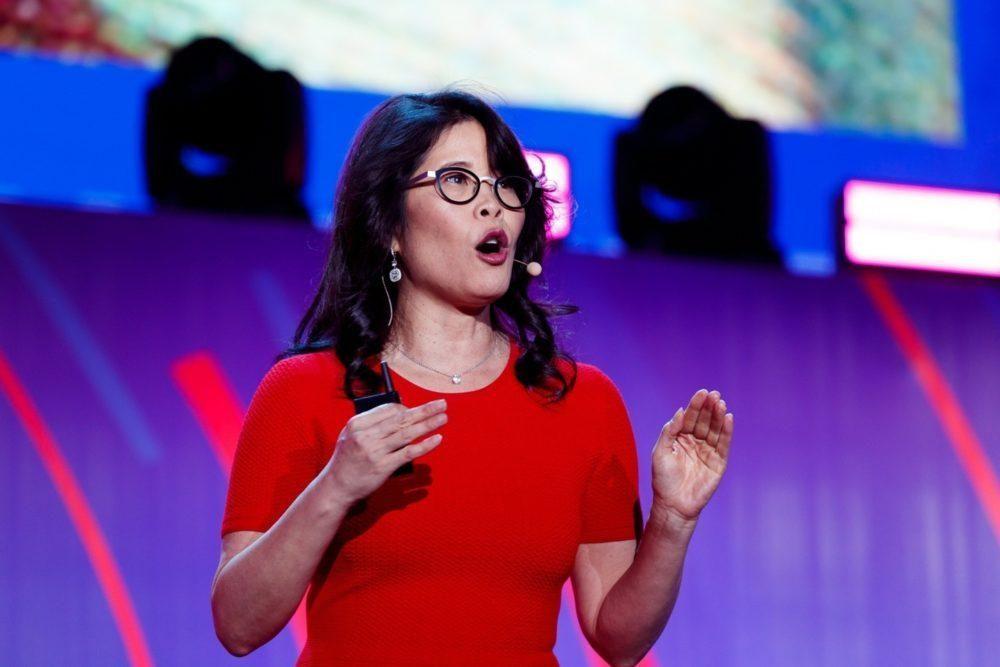
Tina Kandelaki & Wendy Suzuki

Wendy Suzuki

Exclusive Interview at Synergy Global Forum

arrow en ru

Tina Kandelaki & Wendy Suzuki | Exclusive Interview at Synergy Global Forum

What’s the most transformative thing that you can do for your brain today? Exercise! says neuroscientist Wendy Suzuki. Get inspired to go to the gym as Suzuki discusses the science of how working out boosts your mood and memory – and protects your brain against neurodegenerative diseases like Alzheimer’s.

Enjoy watching!

Glossary:

​​​​​​​while [waɪl] промежуток времени
moreover [mɔː(r)’əuvə] более того
deception [dɪ’sepʃ(ə)n] обман
tool [tuːl] инструмент
take [teɪk] back – вернуть обратно
clue [kluː] ключ (к разгадке чего-л.)
detect [dɪ’tekt] обнаруживать
recognize [‘rekəgnaɪz] распознать
value [‘væljuː] ценность
worth (V-ing) [wɜːθ] стоящий
preserve [prɪ’zɜːv] сохранить

Vocabulary

1.transformative [træn(t)s’fɔːmətɪv] трансформирующий
2. neuroscientist [ˈnjʊərəʊˌsʌɪəntɪst] нейробиолог
3. gym [ʤɪm] спортзал
4. boost [buːst] (higher up) mood – повышать настроение
5. degenerative [dɪ’ʤen(ə)rətɪv] disease – дегенеративное заболевание

up-arrow

Слушайте и читайте
скрипт

4e634446a6c0370cb94588e8be0e5b0c_360x536
arrow en ru

Good day, I’m Tina Kandelaki and here is the book I was talking a lot to you: Wendy Suzuki. A strange girl that fell in love with her brain. (Healthy Brain, Happy Life: A Personal Program to Activate Your Brain and Do Everything Better
https://www.amazon.com/Healthy-Brain-Happy-Life-Everything-ebook/dp/B00L7X6ZLM )
You see how many bookmarks I have, you see how I re-read this book attentively. And it’s a unique opportunity to meet the professor of neurobiology, Wendy Suzuki, who is in Moscow right now. – Hello, Wendy! – Hello!
– 00:31 Examination and the analysis of people doing sports, out of sports, you’re a proponent (защитник) of the theory that people doing sports live longer (I hope so, guys) – they have less diseases, they are less commonly subject to cognitive disorders like Alzheimer’s diseases and even those who even suffer Alzheimer’s (disease) feel much better….
Yeah.
– 00:54 Is this true? Tell me about this, please, because I wrote a lot of things about your book
Yes, yeah, yeah.
– 01:04 Are these people I mean, are they safe from these diseases who are doing a lot of sport?
– 01:08 Yeah, I mean the first thing to say is that physical activity will not cure Alzheimer’s or dementia or any other kind of dementia. What it does is it helps protect your brain because it strengthens to keep brain areas that we know are first attacked in Alzheimer’s and general dementia, the prefrontal cortex and the hippocampus. You’re basically strengthening these brain areas. So, even if you do have the disease, it takes longer for the disease to damage enough of these brain areas. So, you start to demonstrate the memory problems, you know, all of the typical problems that you see in dementia and Alzheimer’s disease.
– 01:47 It depends if the patient’s doing sport since their youngest ages or you can start any time in your life*? and again it helps you and make protection…*?
– 01:57 Yeah, that’s a great question! And the answer is that anytime you start you can benefit1. So, there are studies showing that even people that have early stage dementia benefit from starting exercise even though they’ve never exercised regularly before. But, of course, if you’ve exercised all of your life, you build up that brain strength and particularly2 the strength in these two brain areas that are susceptible3 for aging, for a longer period of time. So, that basically4 will protect you longer.
– 02:27 I wanted to bring up a very recent study that I think really illustrates this beautifully with published in 2018 and it focused on Swedish women. So back in 1969, they interviewed several hundred Swedish women and they characterized them as either low fit, mid fit or high fit. They were middle-aged, they were about 40. Then, they followed up forty four years later, they were in their 80s and they found that the high fit women were 90 percent less likely5 to have developed dementia. And that is so inspiring for me, because it kind of gives the upper bound6. Again, it’s even doesn’t say that it’s a cure, it’s that protection. 03:18 These were middle-aged women, they were high fit at middle-age, we don’t know exactly what happened to them between middle-age and when they were in their 80s, but at their 80s they were 90 percent less likely to have dementia. So, this to me is such inspiring evidence that what you do with your body every day starting at least when you’re middle-aged and you can imagine you’re starting when you’re young. That is a wonderful protection for the rest of your life.
– 03:49 What really works, because I’m in my 40s now, you know, we’re thinking that these dimensions thing, this Alzheimer’s thing – it never happens with us – it’s some stories about other people and we will be always 40 years old, but then it happens one day.
– 04:07 Yeah, then, it happens and it happens to everybody. I mean even if you might not have it in your family, I’m sure you know somebody who has Alzheimer’s in their family. My father had Alzheimer’s disease, I know it’s in my genes which is another motivation to be as active as possible.
– 04:22 You’re doing sport every day (right)?
Yeah, I’m active every day. A little bit.
– 04:26 What exactly are you doing?
– 04:28 So, what I decided to do, I’ve evolved7 my activity and so I realized that I love to do my sport at the beginning of the day. And no matter what I do between 10 minutes, even if I have a little time of 10 minutes all the way up to 45 minutes depending on how much time I have, and I do online physical activities. So, I take the classes online, I can choose the class that I want: 10 minute course, 30 minute course, 45 minute course. And if I do it every day and force myself even for 10 minutes, I feel like I’ve really gotten much much more. It’s much stronger habit no even than before I had a great habit.
– 05:09 Like a  neurobiologist, you exactly know that it’s important to build the habit and it’s very difficult thing to build it…. You know, it’s always like “I’m lazy”…
Yeah, not today, maybe tomorrow…
– 05:23 But these 10 minutes course, because they are curious8 about this and everybody interesting. When showing my Instagram everyday people saying, “Oh, come on, you are doing this since 20 years and you can do it because it’s part of your routine. I can’t do it, I can’t stand this 30 minutes – 1 hour, more than one hour, but 10 minutes – I think that everybody can do 10 minutes. What our Russian audience have to do in these 10 minutes?This is meditation, aerobics..?
– 05:48 Yeah, I mean my favorite one and this is just because this is what I like is “Dance is always fun”. So, the first thing in the morning, I’m trying to think of something that’s fun for people that don’t necessarily like to move. Find your song that you love, that makes you want to dance. I don’t know… Bruno Mars – I love Bruno Mars. So, a song is about 4 minutes, so to take two songs you’re two of your favorite songs to Bruno Mars songs and just dance to them in the morning. And that is a great about 10-minute workout, it’s fun you’ve chosen the songs that make you move and make it fun, make it spontaneous9, dance with somebody else, dance with your kids, dance with your husband.
– 06:32 You’re an unbelievable person, you’re so optimistic, you have so much energy that inspires people. If we weren’t having this interview, I should get up and doing my exercises. I read you book so carefully, this course of yours that you created…
– 06:55 No, I did not create it. It’s a fantastic fitness instructor in New York City. Her name is Patricia Moreno and she’s the one of the genius that came up with combining physical activity with positive spoken affirmations10, and this was the form of activity that I did that can’t be coming back to the gym. I might not have continued, but I loved that workout – it made me feel so great and because, I know, that Tony Robbins was here recently11.  Well, I know that Patricia Moreno came up with this workout after going to a Tony Robbins workshop.
– 07:34 – Are you serious? Everybody was asking me, “What it means when he shakes his hands?” As his performance, since it was 4 or 5 hours, I don’t remember, but it was long long time and in his performance12, in every maybe 15 – 30 minutes, depending on the part of performance, he stopped and was shaking his hands like this. I was curious, “What it means? Why is he shaking his hands?”
– 07:57 I don’t know about that, but the development of intensity13 came from one of those workouts, where he’s so inspiring, and you don’t know what new piece of creativity will come from all these beautiful people coming to his workshops and getting inspired by movement. He has a lot of movement as everybody at Synergy experienced it, and she put it together in this amazing way that I found so inspiring. And so, I became an intensity instructor and now I get to share it with people all over the world, including with the audience out there and I love it. I really love it.
– 08:46 For a long time, before mid 90s, scientists believed that “after human being reaches adulthood new neurons are no longer generated in our brain. Several, maybe two, Boston University scientists published some research providing that these cells are generated in the brain of an adult rat. What’s your opinion about this? How it happens? Is this true? Can you build a new neurons in our brain? Because everybody’s trying to be young in a modern world using everything – injection, plastic surgery, but nothing helps if you don’t have your own new neurons. What about this experiment? Are you believing in this? And can humans believe that neurons can form after adulthood?
– 09:40 I think it’s absolutely clear that in rats there’s definitely brand new neurons born in adulthood and there’s strong evidence that physical activity in rats and for rats in the running wheels14 that stimulates the birth. It makes more neurons grow and be born and it also allows more of those newly born neurons to survive, because many of them die. But when those rats are running in the running wheel, more of them survive and integrate into the hippocampus, they become functional brain cells15.
– 10:18 Wendy, explain me, you mean that these neurons born and then they die. They die very quickly, but if you’re doing sport, the speed of the death is going down, right? That’s a point or how it happens?* (inf. How does it happen?)
– 10:31 A lot of new neurons, in fact neurons die all the time, but, certainly16, a lot of these brand new neurons born in the hippocampus are dying. So, why don’t they die? If you exercise, they don’t die. Because exercise is stimulating what’s called a growth factor. That stimulates the brain, it is basically babing in the hippocampus in this growth factor, that allows these brand-new neurons, the nourishment17 to live and integrate, and become part of the circuit, that we need to form new long-term memories. And that’s why the rat’s hippocampus works better and, for humans, it’s absolutely clear, that older people absolutely have brand new neurons being born in their hippocampus. So, there was an evidence by a colleague of mine, of Fred Gage (https://en.wikipedia.org/wiki/Fred_Gage) ,who was at the Salk Institute, showing that definitively18. We’re still working on the direct evidence that exercise can stimulate brand new more neurons to be born. But what we absolutely know is, as I mentioned in that previous19 study, long term exercise, is protecting your brain from dementia. Dementia damages cells in the hippocampus. It’s it’s not the only brain area, but it’s…
– 12:30 Okay, everybody is interested in their 40s how they can become stronger in that case. Can physical training change our brain? Everybody wants to be more effective in this world. How it works? Explain me it, please.
– 12:48 That’s a great question! The way it works is that one of the magical things that physical activity does is it stimulates basically a wonderful growing environment for the brain, including those growth factors that I just mentioned. There’s a whole bunch20 of them, one of them that’s really important is called brain derived neurotrophic factor – you are providing more of those factors for the entire brain. You’re also stimulating new blood vessels to be born. Now that is very important as well because the brain is the number one user of oxygen, of the entire body and so, the more blood vessels21 you have, the more efficiently your circulatory system22 can get oxygenated blood to your brain, basically making your brain work better as well – you get that core kind of nutrient that the brain needs which is oxygen. So, what you’re doing is creating an environment with exercise in your 40s. Everybody wants a better brain. You are creating, I call it a neurochemical bath. You are creating the neurochemical bath, that really nourishes brain growth and brain performance every single time you are working out, and, in the long term, if you do this for a long time, you’re basically continuously having the most positive growth centered bath of your brain.
– 14:16 Tell me about this. Because, we know in our 40s, we starting to feel some depression. Everywomen in the world. I’m seeing you and you’re same like in this book, you’re incredibly optimistic and that’s why you start to do physical exercises and change your brain, you become so optimistic…
– 14:35 I was very pessimistic before I started exercise. (You kidding me?) I mean I think naturally I am optimistic, but, as I say, I was in a very bad period of my life when I started physical activity. I’d gained 25 pounds, I was doing well in lab, but it was very intense and I was not very happy. I didn’t have any friends outside the lab, because I was focused so much on being successful and that’s part of what drew me so much to even that first exercise class that I went to. I could immediately23 feel my mood lift I felt better. Finally, I could not focus on work. I felt good in my own body after a long time of ignoring my body and I was very sensitive24 to that. It turns out I move towards that. I kept going to the classes over and over to get that immediate height that you get and I think it has made me even more optimistic than I am, because I saw how much it could change my brain. It changed my life, it made me happier, it made me more productive.
– 15:45 But you were always productive. You know the languages, you were so successful and in your case, in personal your case… What improved, explain me?
– 15:57 What improved is that I can guarantee you that I am so much happier now. I was successful before, because all I did was follow the rules. What do you have to do to become a tenured professor? Well, you just work a hundred percent of the time, work more than anybody else and you’ll probably make it. I tried that and I became completely unbalanced, because I didn’t leave any other time to do anything else to nourish any other parts of my brain, besides the part that was a scientist. So, today – yes, I work hard, I’m successful there, but I enjoy it even more, because I balance with other things, including coming to Russia and being able to enjoy some of the things here and all the other trips that I get to give, but I am I also have many more good friends. And you have to have time to establish those friendships.
– 16:57 I have to ask you, because everybody who read this book they know that till you start to change your brain, start to do a physical exercises, you started to meet with some persons. In the book, finally, you didn’t say how it finished? Are you getting married or what happens? Because it was so interesting. You’re a last story about this French guy was unbelievable. It was so sweet, but it wasn’t optimistic, because, finally, you guys, split off25*. And I’m not going to ask you this private question – are you married or something like this, but actually it makes some influence26 on your private life, finally? These changes?
– 17:37 I’m gonna tell you a story that I’ve never told anybody before. It’s a continuation of this story with Francois*, and so, we left it, than I called him to thank him for all of the beautiful time that I had, when I was a junior in college, but what I wasn’t able to say in the book is that my book was sold in France and they flew me to Paris to be able to interview and promote the book, and, of course…
– 18:12 You met him?
– 18:13 I went to Baurdoux about thirty years later. I went to Bordeaux to see Francois again and we had a lovely day and a half before I had to go to Paris and do all the things, but it was lovely meeting him. We didn’t go off into the sunset and didn’t get married, but it was lovely to see somebody that I really cared for so many years ago and check in with him, and I feel like it was a very lovely healthy way to just say “thank you” and “how are you?” in person.
– 18:53 It’s like a movie. That’s so wonderful story! You didn’t think that it was the wrong decision to split off with him?
– 19:03 No, I thought it was the right decision to split off with him and I think that we were absolutely going in different directions as we did. It doesn’t mean that I didn’t have a wonderful time, and it was a wonderful experience, and that I love seeing him again 30 years later. How many people get to go together and visit their first love 30 years later. So, that was great and I enjoy lots of wonderful relationships like that in my life right now.
– 19:34 Thank you, it’s a very good example for the women who are watching us, because it’s always difficult to come back to your love, to your first love, but you have to do it – I mean like fix the past.
– 19:46 Yes, Exactly!
– 19:54 Tell me, please. There are some couple of serious questions that important to everybody to understand like, for example, primacy effect. This primacy27 effect, I mean, a human brain memorizes primacy effects like the very first date, kiss, as we talk now, and this phenomenon is very interesting by its details. Can you explain it? Because these fresh memories like, you know, scientists are always saying that they fixed in the brain and become somewhat kind of, I don’t know, place where we always come back to feel ourselves happy. It’s important to be happy every day, but this first kiss – it’s always happiest, this first date is always happiest. Why does it happen like this?
– 20:42 So, let me just start by defining the primacy effect is that “if you have a list of things to remember, you tend to remember the very first thing on the list. So, why is that and we can go back to the first principles of how memory works. Memory is enhanced by things that seem they make sense – repetition. If you repeat things over and over and over, you remember it, but novelty28 always is something that helps your memory become stronger. Why is that? It’s an evolutionary strategy. We need to pay attention to the novel, because it could be dangerous. So, our whole brain is focused on something novel – a new person that you’ve never met before. You ignore all the people that you’ve seen before, but you’re immediately your eye always focuses on the new person.
– 21:34 But excitement? Why it always comes more from the first kiss again, from the first date?* Excitement is completely different and if we compare with the second kiss and the second date. Why?
– 21:46 Absolutely. That comes to yet another principle of what makes things memorable. Emotional resonance. Emotional resonance can be a very positive emotional resonance like that first kiss, that first romantic kiss or it could be a very negative resonance death in the family, all these negative things. Those emotional contents, if they’re strong in any direction, really help memories form better, because we know that there is an area of the brain, that processes those positive-negative emotions is called the amygdala29. The amygdala is very strongly interconnected with the hippocampus, so that when the amygdala senses it’s best known for its threat30 processing, fearful threatening situations and it immediately puts that into a very very long-term memory, because we need to remember those dangerous threatening situations. But it turns out that a beautiful situation – the first kiss, the first time your baby is put into your arms very positive, also can stimulate the hippocampus to remember those events. So, we always do, you’ll agree with this, we remember the happiest and the saddest moments in our lives and that’s because of this emotional resonance.
– 23:57 Another thing. Do physical exercises affect31 symptoms evidence of autism? Autism?
– 24:02 That is a great question. There is, I would say, handful of studies32 that have suggested33 that exercise could be beneficial for some aspects of autism. But it’s frustrating, because the studies are small,there’s not very many autistic subjects in these studies. So, it’s very hard to make a definitive conclusion34 like “yes, your child suffers from autism, get him into sports”. I am not confident35, enough to say that, I know that it’s one of the many patient population groups, that I’m very interested in exploring more deeply.
– 24:42 But there is hope*?
– 24:44 There is hope, absolutely. I mean exercise is beneficial for… Autism has motor difficulties and coordination difficulties, so even for that it could be helpful. Stimulating movement, that is more coordinated can help with one of these problems, but there’s many other issues, um…
That you have to discover it.
Yes, exactly.
– 25:08 Because it’s important. I heard that maybe if your kid has an autism is better to push him to go to some kind of sport, but actually now I get it that it’s important, too. I mean to learn what the scientists finally will say, because we are still discovering.
– 25:25 And there’s also many many different kinds and levels of autism and so that’s the problem with the small studies what kind of autism did these six subjects in this study actually have. So, it makes it even more difficult to interpret. Again I think there is an interesting question there, but we don’t have the answer to give to the general public yet.
– 25:50 Tell me about this again – experiment of the rat neurogenesis, rat running in a wheel as we talked for a muscle loading, research of memory improvement with the physical active animals. You said that experiment… You not said, you mean experimented a lot on the effect of the physical activity on various areas of human brain. We are interested of details of this research – you did this research only with rats or other kind of animals? And what’s I mean final, maybe three, most important point that you get?
– 26:26 So, all the studies that I have done in my lab have been with people, not with rodents36. I know the rodent literature very very well, I have many friends and colleagues in that area, I find it fascinating37, but all of my studies have been in people. So, the three take-home messages from my lab are that exercise can have an immediate positive effect on mood, on reaction time, on focus and attention as well as decreasing stress. That’s amazing! One thing that you can do – you don’t have to have a gym membership to increase your exercise. This is a free thing – immediate effects. They last between 10 minutes and at least two hours, depending on what you do. Second, take-home message that if you do this long term, not just a single workout, but change and do regular physical activity, so that you feel like you’re pushing yourself, this is going to literally change the anatomy, physiology and function of your brain. This is not a quick thing, of course, it takes time for new cells to grow for new synapses to grow, but with physical activity you are getting strengthening of your prefrontal cortex38and hippocampus minimally. And then, the third thing is that with long-term exercise, exercise will protect your brain from aging and incurable neurodegenerative diseases, including Alzheimer’s and Parkinson’s disease.
– 27:54 I have to ask you, Wendy, how old are you?
I’m 53.
– 27:59 You are 53? It’s incredible! I think that people everywhere are telling you the same things. You know, we can say that there is a real connection between activity and how we will look like.
Yeah
Really?
– 28:25 I think the best evidence comes more from how much you exercise and how your brain works. Of course, I think there’s a very strong connection between the body and the brain. You have a beautiful healthy brain – it’s gonna be radiated out for the outside. The physical activity is also going to make your body look good as well and that’s gonna help your brain as well. So, yes, there is an absolutely strong connection there.
– 28:50 Another interesting thing: the story of the Dr. Fluxx (there is such game https://www.looneylabs.com/games/doctor-who-fluxx ) . Do you remember it from the book? How it happens? How our memories and how our visual activities work?
– 24:09 Let me quickly tell the story. This is one of the teaching moments in my life that I’m most proud of .There was a course where I was trying to demonstrate the importance of memory. How memory works?  Why it’s important, so I started out in a traditional way. I gave some history, but then unbeknownst39 to my students I had a burlesque star, who was also a graduate student in our program and he danced under the name dr. Fluxx and I knew that he was a great makeup artist, because I had seen his makeup and I knew he was a burlesque artist, so I said, “Could you come in and just burst into the classroom and do a dance and make it really memorable and then, go out and then, I’m gonna ask people what they remember”.  So, he said  “yes”, but I didn’t see a dress rehearsal40. I didn’t know what he was going to do exactly. I told him, “Surprise me”. I told him, “Somewhere in the first 10 minutes just burst41 in so I wouldn’t know, so I could pretend42 like I’m surprised”. So, he bursts in and firstly, his head’s shaved and one side of his head has gold glitter all over his head and one side of his mustache is also shaved, his whole face is full of glitter. He has a white lab coat on and he comes in and then, a graduate student turns on music. So, we have music for him. The students are like, “Oh my God, what’s going on!?” So, he comes in and he does like a silent play43, where he comes in and he takes a fire extinguisher44 and he takes his lab coat off and then, he strips down to gold beauty booty shorts and he’s dancing right in front of me with gold booty shorts. And you should have seen the expression on these students’ faces! They could not believe it and I just stood there until he left and the music turns out and then, I turned back to the students and I said, “What makes things memorable?”And as you said, I had a student there way in the back, this is 120 students, who raised his hand for the very first time in that whole semester, so, of course, I called on him and I said, “Okay, what makes things memorable?” And he said, “Gold booty shorts”. And I said, “Yes, that’s right. It’s novelty”. The core concept – there is something novel, something emotionally is like made people feel uncomfortable, because they didn’t know how much he was going to take off and it actually looked like he might go all the way, but he left it with these gold booty shorts. So, it was a wonderful way to demonstrate what becomes memorable in a novel situation, what attracts their attention. And, of course, I got the students to say the main point, and not me, which was also memorable.
– 32:00 And what the lesson is?* To be more active? To be more proactive? To be provoked?
– 32:11 The message was to understand how memory works. Novelty attracts your attention. If something is done in class… For example, if your professor has a fist fight with one of the students are you gonna remember that? Yes, you are. Because it’s novel and we know this a little bit, but to actually demonstrate that is a wonderful way to introduce45 the concept of memory, which was the start of this little section that we’re starting.
– 32:41 Can sports affect human brain and what exact exercises are most effective? I asked you in the beginning and I am going to repeat this question. Is this something more effective that you can address to our audience and advise us?
– 32:59 So let me tell you what we know right now and then I’ll tell you my aspirations46 for what I want to know and the questions that we’re asking in my lab. So, here’s what we know right now. The largest number of studies that have been done have supported the idea that aerobic exercise, exercise that increases your heart rate is the best way to improve your brain. And when people say, “Oh, well, I do resistance training47. How come that’s not good?” And the answer is there are some studies that suggest that resistance training is good, and others that say that there was no effect and it’s unclear whether we just haven’t found the right level of resistance training. We need more work there. So, what we really need to do is compare different kinds of physical activity directly. Literally, no studies have done that. One of the studies in my lab compares sitting with walking slowly, with kind of moderate level aerobic exercise, running on a treadmill with shorter intervals of high-intensity interval training where you’re really getting your heart rate up. And we’re just starting to gather the data there to ask what are the different effects of those different levels of activity immediately, but then, what about six hours later. And this is a key question and, of course, everybody wants to add in their own favorite activity. What about kickboxing? What about intensity? What about soccer? And that’s going to come with more studies, but this is a critical question and we don’t know the answer to that level of detail, but what I can tell you is that anything that you do that get your heart rate up is good. Stick with that for now and I’ll get back to you on the details later.
– 34:38 Okay, then, I think maybe two last questions. How long does the effect of the cognitive development last?
You mean the cognitive development associated with the exercise?
Yeah.
– 34:53 Okay, great. That is a great question, and here I can tell you for sure, we have very little idea exactly how long it lasts. We’re trying to… first all the studies are about let’s have them work out for eight weeks. What about 12 weeks? What about 15 weeks? Do we get an effect? And the answer is it’s easiest to see these effects after three months (12 weeks) of physical activity, but nobody has asked, “Okay, now you’re not gonna work out anymore. How long does that last? My strong intuition is that if you stop working out after that twelve weeks, it’s gonna gonna back down at some point. Unclear. Probably, in the next month or so, you’ll start seeing a diminution48 if you stop exercising at all, but that you’ve highlighted yet another scientific question that we haven’t been able to answer yet. There are broad things that we can say, but we’re still working very hard to answer these details. It’s a critical detail that you’ve just asked me about, but I can tell you that we do not know the answer to that.
– 36:00 Okay. And the last question. What are the brain functions that need minimal exercise? Because in our ages,  what we want? to learn languages, but we are saying to ourselves, “Oh, I can’t learn French anymore, because now I’m in my 40s. I can’t learn skiing in my 40s, because I am 40 and maybe it’s some cliches in our brain and how we should push our brain to exercise, to change these cliches in our mind and to change ourselves, our bodies, our functions in real life?
Yeah, so it’s absolutely clear that there is a critical period for language when we are young. Five to seven years old is easier to learn. That does not mean that it’s impossible to learn language later, it just takes a little bit longer. So, languages are absolutely learnable49, no matter what age. And we know the things that help. Immersion50 into that culture. Don’t let yourself go back to with a Russian or English, whatever your native language is. And the principle here is that the human brain at any age has a capacity51 to learn. So, it is completely a myth that, “Oh, I’m 40 now, I can’t do this, I can’t learn that”. Everybody can learn. The brain is an amazing organ. And you give it enough time and the right environment and it will learn.
– 37:28 Wendy, and let me say thank you and tell me what are you going to learn in next 10 years? Do you have your plan?
– 37:36 I do. I am going to reinvent myself as an entrepreneur. So, I’m starting a new company right now to actually help people, individuals figure out what is the optimum level of activity for you. Not for people your age or your gender, but you. To maximize your brain function today and maximally protect your brain for the future. That is the company that I’m developing right now. So, I hope in five years that I’ll be able to come back and maybe speak at the business forum. 


Glossary

1. to benefit |ˈbɛnɪfɪt| извлекать пользу
2. particularly |pəˈtɪkjʊləli| особенно
3. susceptible |səˈsɛptɪb(ə)l| подверженный, поддающийся
4. basically |ˈbeɪsɪkli| в основном
5. less likely |les ˈlʌɪkli| менее вероятно
6. an upper bound |ˈʌpə baʊnd| верхняя граница
7. to evolve |ɪˈvɒlv| развиваться
8. curious |ˈkjʊərɪəs| любопытный
9. spontaneous |spɒnˈteɪnɪəs| спонтанно
10. an affirmation |afəˈmeɪʃ(ə)n| утверждение
11. recently |ˈriːsntli| недавно
12. a performance |pəˈfɔːm(ə)ns| выступление
13. intensity |ɪnˈtɛnsɪti| интенсивность
14. a wheel |wiːl| колесо
15. a brain cell |breɪn sel| клетка мозга
16. certainly |ˈsəːt(ə)nli| конечно, безусловно
17. a nourishment |ˈnʌrɪʃm(ə)nt| питание
18. definitively |dɪˈfɪnɪtɪvli| окончательно
19. previous |ˈpriːvɪəs| предыдущий
20. a bunch |bʌn(t)ʃ| куча
21. a blood vessel |blʌd ˈvɛs(ə)l| кровеносный сосуд
22. a circulatory system |ˈsəːkjʊlət(ə)ri ˈsɪstəm| система кровообращения, кровеносная система
23. immediately |ɪˈmiːdɪətli| сразу же
24. sensitive |ˈsɛnsɪtɪv| чувствительный
25. to split off |splɪt ɒf| расстаться
26. an influence |ˈɪnflʊəns| влияние
27. primacy |ˈprʌɪməsi| первичный
28. a novelty |ˈnɒv(ə)lti| новизна
29. an amygdala |əˈmɪɡdələ| мозжечковая миндалина
30. a threat |θrɛt| угроза
31. to affect |əˈfɛkt| влиять
32. a handful of studies |ˈhan(d)fʊl ɒv ˈstʌdɪz| несколько исследований
33. to suggest |səˈdʒɛst| предлагать
34. a conclusion |kənˈkluːʒ(ə)n| заключение, вывод
35. confident |ˈkɒnfɪd(ə)nt| уверенный
36. a rodent |ˈrəʊd(ə)nt| грызун
37. fascinating ˈfasɪneɪtɪŋ| увлекательный, интересный
38. a prefrontal cortex [prɪˈfrʌntl ˈkɔːteks] префронтальная кора, предлобная кора
39. unbeknownst |ˌʌnbɪˈnəʊnst| без ведома
40. a dress rehearsal.[ˈdres rɪˈhɜːsəl] генеральная репетиция
41. to burst |bəːst| ворваться
42. to pretend |prɪˈtɛnd| притворяться
43. a silent play |ˈsʌɪlənt ˈpleɪ| немая сцена
44. a fire extinguisher |ˈfaɪə ɪkˈstɪŋɡwɪʃə| огнетушитель
45. to introduce |ɪntrəˈdjuːs| представить
46. an aspiration |aspəˈreɪʃ(ə)n| стремление
47. a resistance training |rɪˈzɪst(ə)ns ˈtreɪnɪŋ| силовая тренировка
48. a diminution |ˌdɪmɪˈnjuːʃ(ə)n| уменьшение, ослабление
49. learnable [ˈlɜːnəb(ə)l] поддающийся изучению
50. a imersion |ɪˈməːʃ(ə)n| погружение
51. a capacity |kəˈpasɪti| способность

– 38:10 No, no, you have to come back much more sooner. I think here you have to be with us, because you have a lot of fans in Russia. And thank you again for you coming, for your time.
– Thank you, Wendy.
– Thank you very much. 


Prepared by Lyubov Potapova
(edited by Karina Darbinyan and Vlad Tishchenko)

Watch it how it was happening

arrow_1

Фото: Антон Глазман и Анастасия Гаврилова (Synergy)

Wendi Suzuki – combination of sport and science

5 Ways to listen better

We are happy to announce that we are starting a new section with great TED videos! If you are searching for inspiration, so that is the best place for you! To higher up your English vocabulary all the TED speeches you can read in English and Russian!

arrow en ru

Мы рады сообщить, что мы начинаем новый раздел с отличными видео TED!Если вы ищете вдохновение, это лучшее место для вас! Выше ваш английский словарный запас все речи TED вы можете прочитать на английском и русском языках!

5 Ways to Listen Better / 5 способов как лучше слушать (других)

Vocabulary in context:

roughly [‘rʌflɪ] примерно; грубо
retain [rɪ’teɪn] удерживать; сохранять
extraction [ɪk’strækʃ(ə)n, ek-] извлечение; выбор
pattern recognition – распознавание образов
distinguish [dɪ’stɪŋgwɪʃ] различать
literally [‘lɪt(ə)r(ə)lɪ] буквально (letter – буква)
cease [siːs] прекращать
discount [‘dɪskaunt] скидка; не принимать в расчет
entirely [ɪn’taɪəlɪ, en-] полностью
unconscious [ʌn’kɔn(t)ʃəs] не осознающий; бессознательный
intention [ɪn’tenʃ(ə)n] намерение
fall short of sth. – терпеть неудачу; не достигать чего-то
be aware (of sth) – быть осведомленным (чем-то)

embedded [ɪm’bedɪd, em-] вставленный; встроенный
sonority [sə’nɔrətɪ] звучность, созвучие
premium on accurate listening – важность внимательного слушания
take refuge (in) – находить прибежище
tiny [‘taɪnɪ] очень маленький, крошечный
bubble [‘bʌbl] (мыльный) пузырь
headline [‘hedlaɪn] заголовок
trivial [‘trɪvɪəl] банальный, обычный; незначительный
choir [‘kwaɪə] церковный хор; хоровой ансамбль
lever [‘liːvə] рычаг

up-arrow

Слушайте и читайте
скрипт

4e634446a6c0370cb94588e8be0e5b0c_360x536
arrow en ru

00:00
We are losing our listening. We spend roughly 60 percent of our communication time listening, but we’re not very good at it. We retain just 25 percent of what we hear. Now — not you, not this talk, but that is generally true. (Laughter) Let’s define listening as making meaning from sound. It’s a mental process, and it’s a process of extraction.

00:00
Мы теряем способность слушать. Общаясь, приблизительно 60% времени мы слушаем, но мы не очень хорошие слушатели. Мы помним только 25% того, что слышим. Может быть, не вы, не на этом докладе, но вообще таково положение вещей. Давайте определим слушание как преобразование звуков в смысл. Это умственный процесс, это процесс извлечения.

00:23
We use some pretty cool techniques to do this. One of them is pattern recognition.(Crowd noises) So in a cocktail party like this, if I say, “David, Sara, pay attention” — some of you just sat up. We recognize patterns to distinguish noise from signal,and especially our name. Differencing is another technique we use. If I left this pink noise on for more than a couple of minutes, (Pink noise) you would literally cease to hear it. We listen to differences; we discount sounds that remain the same.

00:23
В нём мы используем довольно интересные приёмы. Один из них — распознавание образов. (Шум толпы) Если на подобной коктейльной вечеринке я скажу: «Дэвид, Сара, послушайте». некоторые из вас прислушаются. Мы распознаём образы, чтобы различить шум от сигнала, особенно своё имя. Дифференциация — другой приём, которым мы пользуемся. Если я оставлю этот розовый шум на две минуты, вы буквально перестанете его слышать. Мы слушаем отличия, мы не придаём значения звукам, которые не меняются.

00:53
And then there is a whole range of filters. These filters take us from all sound down to what we pay attention to. Most people are entirely unconscious of these filters. But they actually create our reality in a way, because they tell us what we’re paying attention to right now. I’ll give you one example of that. Intention is very important in sound, in listening. When I married my wife, I promised her I would listen to her every day as if for the first time. Now that’s something I fall short of on a daily basis. (Laughter) But it’s a great intention to have in a relationship.

00:52
И, наконец, у нас есть множество фильтров. Они отсеивают все звуки, кроме важных для нас [культура, язык, ценности, убеждения, позиция, ожидания, цели]. Большинство людей ничего не знают об этих фильтрах. Но они в какой-то мере создают нашу реальность, определяя для нас, на что мы в данный момент обращаем внимание. Приведу один пример: Цель очень важна для звука, для слушания. Когда я женился, я обещал своей жене, что буду слушать её каждый день, как будто в первый раз. В этом я каждый день терплю неудачу. (Смех) Тем не менее это очень хорошая для отношений цель.

01:28
But that’s not all. Sound places us in space and in time. If you close your eyes right now in this room, you’re aware of the size of the room from the reverberation and the bouncing of the sound off the surfaces; you’re aware of how many people are around you, because of the micro-noises you’re receiving. And sound places us in time as well, because sound always has time embedded in it. In fact, I would suggest that our listening is the main way that we experience the flow of time from past to future. So, “Sonority is time and meaning” — a great quote.

01:28
Но это не всё. Звук ориентирует нас в пространстве и времени. Если вы сейчас в этом зале закроете глаза, вы будете иметь представление о размерах зала по реверберации и отражению звука от поверхностей. И вы будете знать, сколько вокруг людей, по слабым шумам, которые мы слышим. И звук также ориентирует нас во времени, потому что в звуке всегда заключено время. Собственно, я думаю, что наше слушание — это главный способ, с помощью которого мы чувствуем поток времени от прошлого к будущему. «В созвучии — время и смысл» — великолепное высказывание.

02:03
I said at the beginning, we’re losing our listening. Why did I say that? Well, there are a lot of reasons for this. First of all, we invented ways of recording — first writing, then audio recording and now video recording as well. The premium on accurate and careful listening has simply disappeared. Secondly, the world is now so noisy, (Noise) with this cacophony going on visually and auditorily, it’s just hard to listen; it’s tiring to listen. Many people take refuge in headphones, but they turn big, public spaces like this, shared soundscapes, into millions of tiny, little personal sound bubbles. In this scenario, nobody’s listening to anybody.

02:03
Как я уже сказал, мы теряем способность слушать. Почему я так считаю? Есть много причин. Во-первых, мы изобрели несколько способов записи: сначала письмо, потом звукозапись, а потом ещё и видеозапись. Важность внимательного слушания просто напросто пропала. Во-вторых, в мире сейчас столько шума, (Шум) с этой какофонией визуальной и слуховой, слушать просто трудно; это утомительно. Многие находят спасение в наушниках, но они превращают открытое общественное пространство, как это, общие звуковые пространства, в миллионы крошечных, персональных звуковых пузырей. И в этом случае, никто никого не слушает.

02:47
We’re becoming impatient. We don’t want oratory anymore; we want sound bites. And the art of conversation is being replaced — dangerously, I think — by personal broadcasting. I don’t know how much listening there is in this conversation, which is sadly very common, especially in the UK. We’re becoming desensitized. Our media have to scream at us with these kinds of headlines in order to get our attention. And that means it’s harder for us to pay attention to the quiet, the subtle, the understated.

02:47
Мы становимся нетерпеливы. Нам больше не нужна риторика, нам нужны звуковые фрагменты. Искусство общения вытесняется — и по-моему, это опасно — личным самовещанием. Я не знаю, как много слушания в таком разговоре, который, к сожалению, не редкость, особенно в Англии. Мы становимся невосприимчивыми. Средствам информации приходится кричать нам в лицо такими заголовками, чтобы привлечь внимание. А значит, и нам становится труднее обратить внимание на тихое, тонкое, невысказанное.

03:20
This is a serious problem that we’re losing our listening. This is not trivial, because listening is our access to understanding. Conscious listening always creates understanding, and only without conscious listening can these things happen. A world where we don’t listen to each other at all is a very scary place indeed. So I’d like to share with you five simple exercises, tools you can take away with you, to improve your own conscious listening. Would you like that?

03:20
То, что мы теряем способность слушать — серьезная проблема. Это нетривиально. Потому что слушание — наш ключ к пониманию. Осознанное слушание всегда приводит к пониманию. И только без осознанного слушания может происходить такое. Если мы совсем не будем слушать друг друга, мир станет ужасным местом. И я хочу рассказать вам о пяти простых упражнениях, которые вы можете использовать для развития своей способности слушать. Вам этого хотелось бы?

03:52
Audience: Yes!

03:54
Good. The first one is silence. Just three minutes a day of silence is a wonderful exercise to reset your ears and to recalibrate, so that you can hear the quiet again. If you can’t get absolute silence, go for quiet, that’s absolutely fine.

03:52
(Зал: Да.) Хорошо.

03:54
Первое — это тишина. Всего 3 минуты тишины в день — замечательное упражнение, чтобы восстановить и перенастроить слух, чтобы вы снова могли слышать тихое. Если нельзя обеспечить полную тишину, пусть будет просто тихо — этого достаточно.

04:09
Second, I call this “the mixer.” (Noise) So even if you’re in a noisy environment like this — and we all spend a lot of time in places like this — listen in the coffee bar to how many channels of sound can I hear? How many individual channels in that mix am I listening to? You can do it in a beautiful place as well, like in a lake. How many birds am I hearing? Where are they? Where are those ripples? It’s a great exercise for improving the quality of your listening.

04:09
Второе — я называю это миксером. (Шум) Даже если вы в шумном окружении, как это — а мы все проводим много времени в таких местах —прислушайтесь в кафе, сколько каналов звука вы слышите? Сколько отдельных каналов в этом смешении вы слушаете? Это можно делать и в красивых местах: например, на озере. Сколько птиц я слышу? Где они? Что это за журчание? Это отличное упражнение для улучшения качества слушания.

04:37
Third, this exercise I call “savoring,” and this is a beautiful exercise. It’s about enjoying mundane sounds. This, for example, is my tumble dryer. (Dryer) It’s a waltz — one, two, three; one, two, three; one, two, three. I love it! Or just try this one on for size. (Coffee grinder) Wow! So, mundane sounds can be really interesting — if you pay attention. I call that the “hidden choir” — it’s around us all the time.

04:37
Третье — я называю это наслаждение моментом. и это прекрасное упражнение. Оно заключается в наслаждении повседневными звуками. Например, это звук моей сушилки. (Сушилка) Это вальс. Раз, два, три. Раз, два, три. Раз, два, три. Я обожаю этот звук. Или попробуйте на вкус этот звук.(Кофемолка) Ого! Повседневные звуки могут оказаться очень интересными, если прислушаться. Я называю это скрытым хором. Он постоянно вокруг нас.

05:12
The next exercise is probably the most important of all of these, if you just take one thing away. This is listening positions — the idea that you can move your listening position to what’s appropriate to what you’re listening to. This is playing with those filters. Remember I gave you those filters? It’s starting to play with them as levers, to get conscious about them and to move to different places. These are just some of the listening positions, or scales of listening positions, that you can use. There are many. Have fun with that. It’s very exciting.

05:12
Следующее упражнение — пожалуй, самое важное из всех, если выбрать только одно. Это позиции слушания: идея в том, что мы можем менять свою позицию слушания на подходящую к тому, что мы слушаем. Это игра с фильтрами. Помните, я говорил о фильтрах в начале? Можно играть с ними, как с рычагами, чтобы осознать их и двигаться в других направлениях. Вот несколько из этих позиций [активная-пассивная, сдержанная-открытая, критичная-сочувствующая] или шкал позиций, которыми вы можете пользоваться. Их много. Наслаждайтесь. Это увлекательно.

05:43
And finally, an acronym. You can use this in listening, in communication. If you’re in any one of those roles — and I think that probably is everybody who’s listening to this talk — the acronym is RASA, which is the Sanskrit word for “juice” or “essence.” And RASA stands for “Receive,” which means pay attention to the person; “Appreciate,” making little noises like “hmm,” “oh,” “OK”; “Summarize” — the word “so” is very important in communication; and “Ask,” ask questions afterwards.

05:43
И наконец, акроним. Им можно пользоваться слушая, общаясь, если вы находитесь в одной из этих социальных ролей — а я думаю, это все, кто слушает этот доклад — [руководители, учителя, супруги, родители, друзья]акроним такой: RASA, на санскрите это значит «сок» или «суть». И расшифровывается как «внимай», что значит, обрати внимание на собеседника; «будь признателен» с помощью коротких слов: «хмм, о, ясно»; «обобщай» — слово «итак» очень важно в общении; и «спрашивай» — выслушав, задавай вопросы.

06:15
Now sound is my passion, it’s my life. I wrote a whole book about it. So I live to listen. That’s too much to ask for most people. But I believe that every human being needs to listen consciously in order to live fully — connected in space and in time to the physical world around us, connected in understanding to each other,not to mention spiritually connected, because every spiritual path I know of has listening and contemplation at its heart.

06:15
Звук — это моя страсть, моя жизнь. Я написал о нём целую книгу. Я живу, чтобы слушать. Этого невозможно требовать от большинства людей. Но я верю, что всем людям нужно уметь осознанно слушать, чтобы жить полной жизнью, связанными через пространство и время с физическим миром вокруг нас, связанными друг с другом через понимание, не говоря уже о духовной связи, потому что все известные мне духовные пути в основе своей имеют слушание и созерцание.

06:15
Звук — это моя страсть, моя жизнь. Я написал о нём целую книгу. Я живу, чтобы слушать. Этого невозможно требовать от большинства людей. Но я верю, что всем людям нужно уметь осознанно слушать, чтобы жить полной жизнью, связанными через пространство и время с физическим миром вокруг нас, связанными друг с другом через понимание, не говоря уже о духовной связи, потому что все известные мне духовные пути в основе своей имеют слушание и созерцание.

06:42
Поэтому нам нужно учить слушанию в школах как полезному навыку. Почему этому не учат? Это безумие. И если бы мы могли обучать этому в школах, мы могли бы уберечь нашу способность слушать от скользкого края, за которым нас ждёт тот опасный, страшный мир, о котором я говорил, и тогда каждый всегда слушал бы осознанно, или, по крайней мере, был бы способен на это.

07:04
Now, I don’t know how to do that, but this is TED, and I think the TED community is capable of anything. So I invite you to connect with me, connect with each other,take this mission out. And let’s get listening taught in schools, and transform the world in one generation to a conscious, listening world — a world of connection, a world of understanding and a world of peace.

07:04
И я не знаю, как этого достичь, но это TED, и я думаю, что сообщество TED может всё. Итак, я приглашаю вас к связи со мной, связи друг с другом, сделайте это вашей миссией, и давайте сделаем, чтобы слушать учили в школах, и за одно поколение мы создадим осознанно слушающий мир —связанный мир, мир понимания и мира.

07:25
Thank you for listening to me today.

07:27
(Applause)

07:25
Спасибо за то, что выслушали.

07:27
(Аплодисменты)

you can find more about Julian Treasure on his website  https://www.juliantreasure.com

TEDx Why do we need to use smartphones all the time?